Here's the thing about stress and desire
Relationship conflict doesn't just mess with your emotions. It turns off your libido at a neurological level. Cortisol spikes. Your nervous system gets stuck in fight-or-flight mode. Your body literally can't access the parts of your brain responsible for arousal and pleasure. You're not broken. You're stressed.
The problem most couples face is trying to "fix" the sex while the relationship is still raw. That rarely works. What does work is giving yourself permission to explore your own pleasure solo, rebuild your confidence in your body, and then bring that reclaimed sense of agency back to your partnership.
That's where lemon vibrators, and specifically lemon clitoral vibrators, become genuinely useful. Not as a replacement for the relationship work you need to do. As a bridge.
How relationship stress actually kills arousal
When you're in conflict with a partner, your body is in a state of defensive vigilance. You're hyper-attuned to threat signals. Trust is fractured. That fracture means your nervous system is protecting you by blocking access to vulnerability. And arousal requires profound vulnerability.
This is especially true for people with vulvas, who typically need psychological safety to access desire. Research consistently shows that women and people assigned female at birth require significantly more cognitive and emotional "permission" to become aroused compared to men. When that permission is revoked by stress or conflict, desire doesn't trickle down to zero gradually. It often stops abruptly.
Add to that the shame spiral many people enter after their libido vanishes. You start thinking you're broken, or that the relationship is unsalvageable, or that you've become undesirable. None of that's true. Your body is doing exactly what it's designed to do: protect you.
Why solo exploration matters before partnered sex resumes
One of the most counterintuitive truths in couples therapy is this: sometimes the fastest way to fix sex in a relationship is to step away from the relationship, sexually, for a while.
When you explore pleasure alone, without the pressure of a partner's presence or expectations, several things shift. First, you reclaim agency. You're not performing. You're not managing someone else's experience. You're not worried about being judged or rejected. You're just present with your own body.
Second, you reintroduce yourself to sensation without the weight of relational anxiety. Lemon clitoral vibrators, which use gentle suction rather than traditional vibration, are particularly helpful here because they work with your body's natural arousal response rather than overriding it with intense stimulation. That gentleness creates space for your nervous system to actually relax.
Third, and this is crucial, solo pleasure becomes proof to yourself that desire can return. It's not philosophical. It's embodied. You feel it. And that feeling carries over into how you show up in your relationship.
What lemon suction does differently when you're stressed
Traditional vibrators work through constant, rapid oscillation. That works fine when your nervous system is calm and your body is ready. When you're stressed or struggling with low libido, that intensity can actually feel jarring. Your body isn't ready. The stimulation arrives too fast, too loud.
Lemon suction toys like the Lem Vibrator work through rhythmic suction that mimics the natural mechanics of oral sex. That distinction matters when you're rebuilding your relationship with arousal. Suction creates a gradual build rather than an immediate spike. It invites your body to respond, rather than demanding response.
For people recovering from relationship stress, that invitation is everything. It says: your pleasure is worth time. Your body gets to set the pace. You don't have to perform.

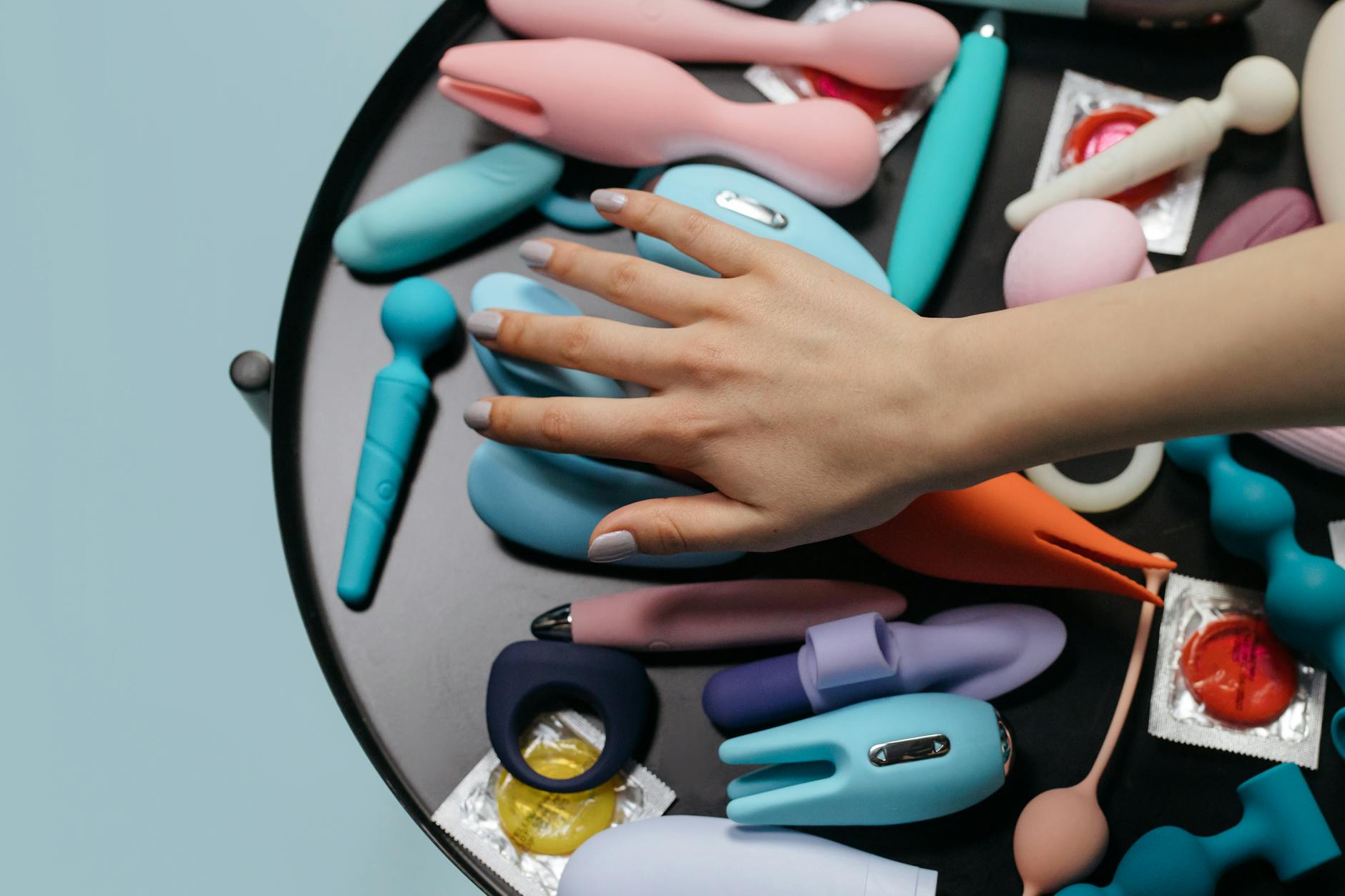
Photo by cottonbro studio on Pexels
The protocol that actually works
If you're dealing with low libido after relationship stress, here's how I recommend approaching solo exploration with a lemon clitoral vibrator.
Week one and two: exploration without pressure. Use the toy on settings 1 and 2 for 10 to 15 minutes, a few times a week. The goal is not orgasm. The goal is sensation. Notice what feels good. Notice what feels uncomfortable. There's useful information in both.
Week three and four: building familiarity. Gradually increase time and explore settings 3 and 4. Your nervous system is learning that pleasure is safe again. Let that learning happen slowly.
Week five onward: reconnection. If you're in a relationship and ready to explore partnered sex again, introduce your partner to what you've learned about your body. Share what settings feel good. Tell them what you need in terms of pace and pressure. You're not handing over control. You're collaborating based on information you've gathered.
This isn't a rigid timeline. Some people need more weeks. Some need fewer. The point is that you're moving from stressed and disconnected to informed and intentional.
When low libido signals something deeper
Here's where I'm direct: if you've worked through relationship conflict, done the relationship work, and your libido still hasn't returned after several months, that's worth discussing with a healthcare provider. Low desire can signal depression, hormonal shifts, medication side effects, or other health factors that have nothing to do with the relationship.
Solo exploration with a lemon vibrator is genuinely helpful for stress-related libido loss. It's not a treatment for underlying medical issues. If you suspect there's more going on, get that checked.
Same thing applies if you're using solo pleasure as a way to avoid addressing the actual relationship problems. Vibrators are wonderful, but they're not a substitute for genuine repair work with a partner. If the conflict that killed your desire in the first place is still unresolved, that's the thing to address first.
Bringing it back to your partnership
One of the most common mistakes couples make after surviving conflict is assuming you have to jump straight back to partnered sex. You don't. You can rebuild intimacy incrementally.
That might look like: solo exploration for a few weeks, then partnered exploration where your partner watches you use the lemon vibrator and learns what you like, then mutual exploration where you both engage. Each step rebuilds trust and communication.
The other thing that shifts when you do this work: you stop blaming your partner for your low libido. Because you've proven to yourself, through your own body, that the desire is still in there. It got buried under stress and fear. But it's retrievable. That realization often opens up compassion in ways that blame never can.
Your pleasure isn't your partner's responsibility. And your partner isn't responsible for "fixing" your body. You both get to collaborate in creating the conditions where desire can flourish again. A lemon clitoral vibrator is one small tool in that work. The bigger tool is showing up honestly, with patience, and with the understanding that rebuilding takes time.
Going deeper
If you're working through relationship stress and exploring your pleasure solo, how to recover pleasure after painful sex covers similar nervous-system reset principles. And if you're ready to reintroduce your partner to your exploration, how to introduce lemon vibrators to your relationship walks you through that conversation with specific language that actually works.
For a full sense of whether lemon vibrators are right for your body, we've got a guide that breaks down the options without pressure.
FAQ: Low libido, stress, and solo exploration
How long does it take for libido to return after relationship conflict?
There's no standard timeline. Some people see shifts in weeks. Others need months. It depends on the severity of the conflict, how much repair work you do, your stress load outside the relationship, hormonal factors, and whether you're actively reconnecting with your own pleasure. The key is consistency. Regular solo exploration, combined with genuine relationship repair, typically shows noticeable shifts within 6 to 8 weeks.
Can using a vibrator alone actually help fix things with my partner?
Not on its own. Solo exploration with a lemon vibrator can rebuild your confidence and help your nervous system access pleasure again. But if the relationship conflict that killed your libido in the first place is unresolved, that's still the primary issue. A vibrator supports the work. It doesn't replace the work.
Is it normal to have zero desire after a big fight?
Completely normal. When you're in conflict with a partner, your body perceives threat. Your nervous system shuts down access to arousal and vulnerability. That's not dysfunction. That's your body protecting you. The desire usually returns as the relationship heals and safety is re-established.
Should I tell my partner I'm using a lemon vibrator while we're working through conflict?
That depends on your relationship and your comfort level. Some couples benefit from transparency. Some prefer privacy during a conflict recovery phase. What matters most is that your solo exploration isn't a secret that deepens mistrust. If you decide to share, frame it as: "I'm working on reconnecting with my own pleasure so I can show up better in our relationship." That's true, and it reframes the conversation from threat to partnership.
What if my libido returns but my partner's doesn't?
Desire mismatches happen, especially after conflict. This is worth addressing directly, possibly with a therapist or relationship coach who specializes in intimacy. It's not uncommon for one partner to recover faster than the other. The slower recovery partner might need different things: more reassurance, longer recovery time, or professional support for depression or anxiety.
Can I use a lemon vibrator while I'm still trying to repair my relationship?
Absolutely. In fact, many couples therapists encourage it. Solo pleasure doesn't threaten partnered sex. It supports it by giving you embodied proof that desire is recoverable and by reducing the pressure on your partner to "fix" your libido single-handedly.
The bottom line
Low libido after relationship stress is real, it's not your fault, and it's recoverable. A lemon clitoral vibrator can be part of that recovery by giving you a safe, pressure-free way to reconnect with sensation and pleasure on your own terms. But the vibrator is a tool, not a cure. The real work is in the relationship: rebuilding trust, improving communication, and creating the psychological safety that desire requires.
When you do both the relationship work and the solo exploration work, something shifts. Your body remembers what pleasure feels like. Your partner sees you showing up with more agency and confidence. Trust gradually rebuilds. And desire, often, follows.
If you're ready to explore that path, we're here to help. Get in touch if you have questions about finding the right lemon vibrator for your needs or need guidance on how to move forward.