Let's talk about what happens after pain shuts you down
When sex hurts, your body learns to brace. Your pelvic floor tightens. Your nervous system flags the experience as threat. And then, even when the pain stops or the cause gets treated, pleasure doesn't just switch back on. You're left in a catch-22: your body remembers, even when your mind is ready to move forward.
I've worked with hundreds of couples where one partner has experienced painful sex. The medical issue often gets resolved in weeks. The pleasure recovery takes longer because it's not just physical. It's psychological. Your nervous system needs to be convinced that pleasure is safe again.
Why pain changes your relationship to pleasure
Pain during sex does something specific to your brain. It rewires the neural pathway from "this feels good" to "this is dangerous." Your body isn't being dramatic. It's doing its job. But that job now works against you.
There's also a cascade of secondary effects. Partners become anxious, which makes you tense. You avoid situations that might lead to sex, which creates distance. The longer you wait, the more loaded and high-stakes the next attempt becomes. Now you're not just trying to have pleasure. You're trying to prove something's fixed. That pressure kills arousal faster than almost anything.
The good news: this is reversible. Your nervous system can learn a new association. But it requires intention, patience, and the right tools.
The resensitization principle
Recovering pleasure isn't about jumping back into what hurt. It's about slowly, deliberately teaching your body that touch feels good again. Therapists call this sensate focus. I call it giving yourself permission to explore without pressure.
The foundation is this: pleasure needs to be nonthreatening, nongoal-oriented, and low-stakes. You're not trying to have an orgasm. You're not trying to prove readiness to a partner. You're just finding what feels good in a controlled environment where nothing bad will happen.
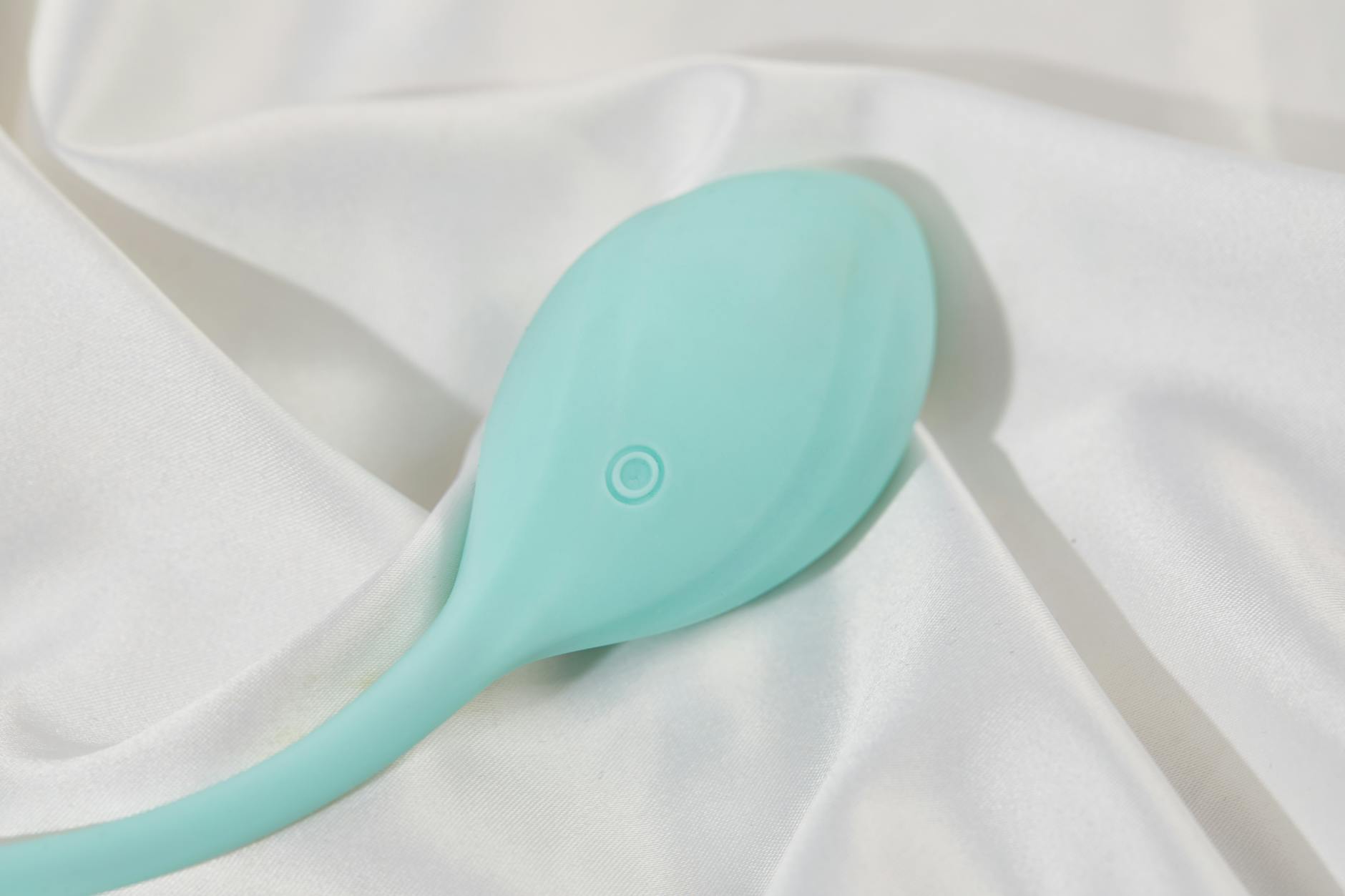
This is where lemon vibrators become genuinely useful. Unlike partnered touch, which can carry emotional weight, a lemon suction toy is purely sensation. There's no performance expected. No partner watching to see if you're "back." Just you, your body, and a tool designed to feel good. That simplicity matters.
Starting with touch, not vibration
Before you reach for a lemon vibrator, spend time with basic touch. Solo touch. Use your hands on your thighs, your breasts, your lower belly. Not necessarily your genitals. The whole point is to remember that your body is capable of generating pleasure again.
Many people skip this because it feels too slow. But rushing past it means you miss the recalibration. Your nervous system needs time to register: this is safe, this is pleasant, nothing bad follows.
Do this for a few days or a week. There's no timeline. If you feel yourself bracing or tensing, pause. The goal is to get to a place where touch feels easy and good, not like you're doing homework.
Why lemon vibrators help with recovery specifically
A lemon clitoral vibrator works differently than traditional vibrators. The suction mechanism is gentler, more rhythmic, and less directly percussive. If your body has been protecting itself through pain, suction-based stimulation often feels less invasive than traditional vibration. It's sustained, rather than rapid-fire. That rhythm can actually help calm your nervous system instead of overloading it.
Second: suction creates a consistent, predictable sensation. No guessing about pressure. No variation in intensity that might trigger bracing. That predictability is soothing to a nervous system that's been burned.
Third: you have total control. You set the intensity. You set the pace. You can stop instantly. That agency is crucial when you're rebuilding trust in your own body.
How to reintroduce pleasure with a lemon vibrator
Start low and slow. Literally. Use the lowest setting on your lemon suction toy. You're not chasing orgasm. You're chasing the sensation of "this feels okay."
Begin with external stimulation only. If you're using a lemon clitoral vibrator like the Lem, you're perfectly suited to this since the toy is designed for external use. Spend 5-10 minutes just exploring how it feels. Notice where the sensation is strongest. Where does it feel overwhelming? Where does it feel good? These answers change after pain.
Do this for multiple sessions before moving toward arousal. Your job right now is purely informational. You're teaching your brain that this tool equals pleasure, not pain. Once you can spend 10 minutes with the lemon vibrator and feel genuinely good, not tense, you're ready to explore a bit more.
The partner conversation is separate
If you're in a relationship, this is important: your recovery process and your partnered sex life need to live in two different rooms for now. Don't use your solo exploration time as a test run for partnered sex. Don't feel obligated to report back or prove progress.
When you do reconnect with a partner, start with non-penetrative touch. Massage. Kissing. Oral sex. Things that don't carry the weight of the original pain. And talk about it beforehand. Not in the moment. Before you take your clothes off, agree on what you're comfortable with. Agree on what you'll do if you need to stop. Agree on words that mean "I'm bracing" or "this is getting too much."
Many couples find that the introduction of toys like lemon vibrators into partnered sex actually helps because it removes the direct pressure on one person's body. You're both focused on the tool, not on penetration or performance.
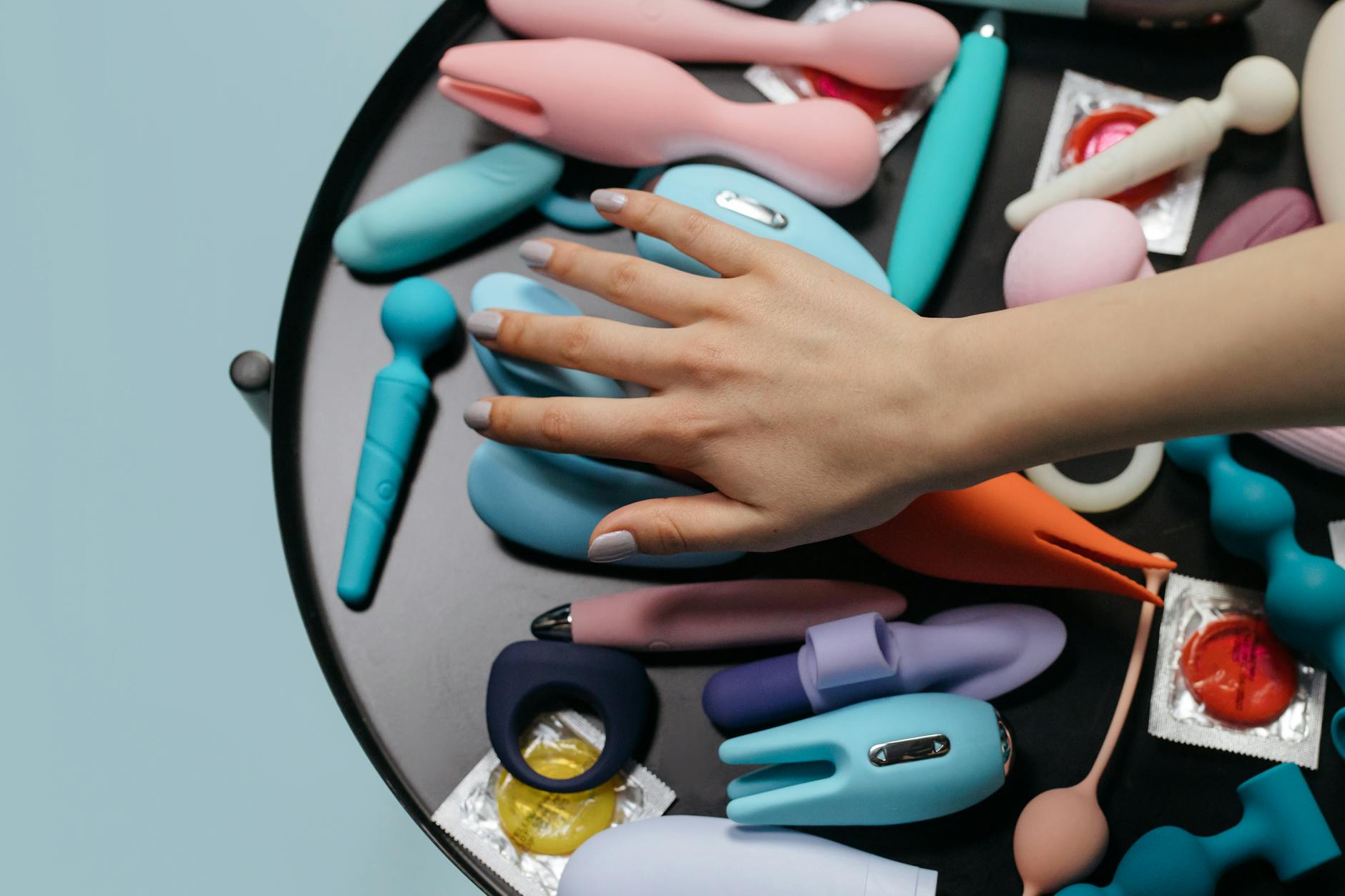
Photo by cottonbro studio on Pexels
When to bring in professional support
If pain was the result of a specific medical condition, make sure that's actually resolved before you assume pleasure recovery is on you. Pelvic floor physical therapy, gynecological assessment, or hormone adjustment might still be necessary. Don't skip the medical part because you want to move forward.
If you're struggling with anxiety around sex, that's also worth professional attention. A therapist who specializes in sexual health or trauma-informed therapy can help you separate the memory of pain from your current body. Sometimes your nervous system needs help learning that it's safe, and that's completely valid.
What to expect from resensitization
Progress isn't linear. Some days your body will feel open and responsive. Other days you'll tense up for no clear reason. Both are normal. Your nervous system is essentially relearning trust, and that takes longer than any single session.
Some people return to pleasure in weeks. Others take months. There's no correct timeline. The point is to move at your own pace, without pressure or judgment.
Many people find that by the time they've worked through this process, their sense of pleasure has actually shifted. Not in a bad way. Often, they're more attuned to what actually feels good, versus what they thought should feel good. That's not a loss. It's recalibration.
Rebuilding pleasure takes patience, not willpower
You can't force your way back to pleasure. Your nervous system doesn't respond to determination. It responds to safety, consistency, and time. That's the frustrating part. And also the freeing part. You don't have to perform recovery. You just have to show up for yourself, gently, and let the resensitization do its work.
A lemon vibrator is a tool that can help. But the real tool is your commitment to yourself. To your own sensation. To the idea that your pleasure matters and is worth rebuilding, one small, good sensation at a time.
People also ask
How long does it take to recover pleasure after painful sex?
There's no standard timeline. Medical recovery (treating the actual cause of pain) might take weeks. Nervous system recovery often takes 2-6 months of consistent resensitization work. The key is regular practice, not intensity. A few minutes of comfortable exploration several times a week often works better than long, forced sessions.
Can using a lemon vibrator help if I still have pain?
Not yet. If you still have pain during or after any sexual activity, that needs medical attention first. A lemon clitoral vibrator is for resensitization once the acute pain has resolved. Using any toy while you're actively experiencing pain can reinforce the nervous system's "this is dangerous" response. Get cleared medically, then explore.
Should I use lemon vibrators alone or with my partner during recovery?
Both have different roles. Solo exploration with a lemon suction toy helps your nervous system learn safety without the emotional weight of a partner's presence. It's pure sensation. Partnered use comes later, once you've rebuilt some confidence. When you do introduce it with a partner, it can actually reduce pressure by distributing focus onto the toy rather than onto one person's body.
What if I'm afraid to try anything, even a lemon vibrator?
That fear is information, not a problem. It means your nervous system is still protecting you. Start even smaller. Spend a few weeks just holding the toy, turning it on while it's not in contact with your body, noticing the sound and vibration from a distance. Let your brain get used to the object before your body interacts with it. There's no rush.
Can pain during sex damage my ability to orgasm permanently?
No. Your capacity for orgasm lives in your nervous system and your brain. Pain can temporarily interrupt the pathway to orgasm, but resensitization rewires it. The neural pathways are plastic, especially with consistent, low-pressure practice. Many people find their orgasms actually become more reliable once they've worked through recovery because they're more attuned to what their body needs.
What if recovery isn't working and pleasure still feels distant?
That's a signal to bring in a sex therapist or trauma-informed therapist. Sometimes the pain was connected to a larger issue. Relationship dynamics. Sexual trauma. Performance pressure. A professional can help you untangle what's really blocking pleasure. This isn't a failure. It's just recognizing that some recovery work needs specialized support. Reach out to us if you'd like guidance on finding the right therapist for your situation.
The path forward
Recovering pleasure after pain is possible. It's not about being brave or willing enough. It's about being patient, consistent, and kind to yourself. A lemon vibrator can be part of that process because it gives you a tool that feels safe, controlled, and purely pleasurable. But the real work is the nervous system recalibration. And that happens one comfortable sensation at a time. You deserve to feel good again. You have everything you need to get there.