
Why Lemon Vibrators Feel Better After 40: Clitoral Sensitivity Changes
Let's be honest. After 40, your body feels different during sex. Not worse. Different. Your clitoris is still there, still capable, still deserving of attention. But the way it responds to stimulation shifts in ways nobody really explains until you're already feeling it and wondering if something's broken.
Spoiler: nothing's broken. Your nervous system is just evolving.
How clitoral sensitivity actually changes with age
Your clitoris has roughly 8,000 nerve endings. That number doesn't change. What does change is how those nerves respond to different types of stimulation. In your twenties and thirties, direct friction stimulation (the traditional vibrator approach) fires those nerves quickly and intensely. After 40, the skin around your clitoris often becomes slightly thinner and more delicate, while the nerve density actually concentrates even more densely in the glans (the visible part).
This sounds like bad news. It's not. It's the opposite.
What it means is that your clitoris now responds better to gentler, more precise stimulus. This is why lemon clitoral vibrators with suction technology work so brilliantly for bodies over 40. Suction doesn't rely on mechanical friction. It creates a gentle vacuum that pulls tissue and stimulates multiple nerve bundles simultaneously without the wear-and-tear feeling that traditional vibration can create on increasingly sensitive skin.
Think of it like this: at 25, your clitoris wants loud music. At 45, it wants a really good speaker system playing exactly the right song.
Why hormonal shifts matter more than you think
There's estrogen involved. Around perimenopause and into menopause, estrogen levels drop, which affects tissue elasticity and blood flow to the genital area. This isn't something to panic about. It's something to understand.
Lower estrogen means your clitoral glans might be slightly less prone to puffing up as dramatically during arousal. Some people find their orgasms feel more concentrated rather than full-body. Others report deeper, longer-lasting pleasure because arousal isn't happening at sprint pace anymore.
Hormonal fluctuations also mean that what feels amazing one week might feel different the next if you're still in perimenopause. This is completely normal. It's also why having a device like a lemon suction vibrator is so helpful. You can adjust intensity and pattern without needing a completely different toy every time your body's chemistry shifts slightly.
The sensitivity sweet spot: why less pressure feels like more
Here's the part that surprises most people. Once you cross 40, sensitivity doesn't decline. It concentrates. Your clitoris becomes more reactive to the right kind of stimulation and less tolerant of the wrong kind.
Traditional bullet vibrators and wand vibrators often feel too intense directly on the clitoris after 40. Not because you've become prudish or less sexual. Because the nerve endings are now firing at peak sensitivity from gentler input. Adding more pressure doesn't add more pleasure. It adds numbness.
Lemon vibrators work differently. The suction action creates a pulling sensation that engages a wider nerve network without requiring direct contact. This means you get more comprehensive stimulation with less skin-on-skin friction. For many people over 40, this results in longer, more satisfying orgasms. Not shorter ones.
You're not losing sensation. You're gaining precision.
What changes in your arousal timeline
After 40, arousal typically takes longer to build. This is a fact. It's also not a loss. It's a transition.
Where you might have been able to orgasm in five minutes at 25, you now might need 15 or 20. This isn't dysfunction. This is an invitation to slow down. To pay attention. To discover what actually feels good instead of what's been conditioned as routine.
Lemon clitoral vibrators excel here because they let you explore your arousal curve without rushing. You can start at lower intensity levels and gradually increase, actually feeling each stage of your arousal building. The suction sensation gives you a different feedback loop than vibration does. Many people say it feels more like their body's own response, not like an external device doing something to them.
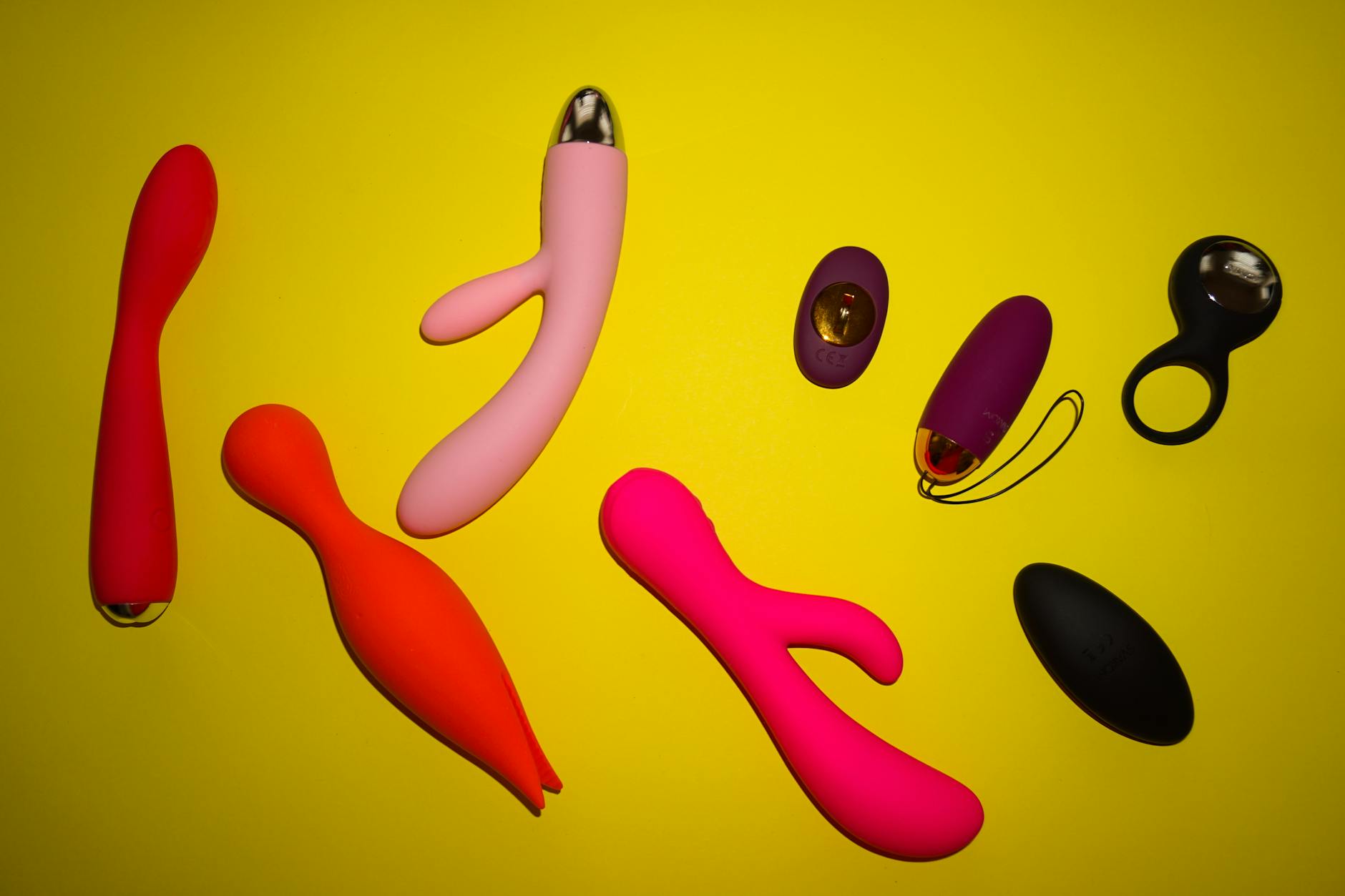
Photo by FounderTips on Pexels
Lubrication becomes more important (and that's fine)
After 40, vaginal lubrication often decreases, especially if you're in perimenopause or menopause. Your clitoris is on the outside, but the entire vulva is connected. If you're naturally producing less lubrication, the whole area can feel slightly drier.
This matters for pleasure because dry tissue is more friction-sensitive. A traditional vibrator can feel irritating if you're not well-lubricated. A lemon vibrator with its suction mechanism needs lubrication too, but because there's no friction, the sensation is different even with less natural moisture. Many people find that external water-based lubricant applied around the clitoris transforms the experience. The lube creates a seal that helps the suction work more effectively while reducing any feeling of dryness.
This isn't a step backward. It's a tool. Plenty of people at every age use lubricant. After 40, it just becomes part of the ritual in a more consistent way.
Pelvic floor strength changes things too
Your pelvic floor muscles naturally lose some tone and elasticity after 40. You might notice this during exercise (hello, unexpected sneeze during jumping jacks) or during sex. This affects how orgasm feels. Sometimes it means orgasms feel less intense. Sometimes it means they feel different in a way that takes readjusting to.
Kegel exercises help, but they're not magic. What actually helps most is finding stimulation that works with your current pelvic floor rather than fighting against it. Suction-based lemon vibrators require less pelvic floor tensing than traditional vibrators do. You're not trying to grip or contract your way to pleasure. You can actually relax while using them, which paradoxically often leads to better orgasms.
Psychological pleasure compounds the physical changes
Here's what surprised me most in my work with couples over 40. The physical changes to sensitivity and arousal are real. But they're usually less important than the mental shift that happens around this age.
After 40, most people stop apologizing for wanting pleasure. They stop performing. They stop worrying about looking a certain way during sex. This mental permission is worth more than any physical change. And it amplifies whatever physical sensation you're experiencing.
When you use a lemon clitoral vibrator at 45 instead of 25, you're not just using a different device. You're using it from a place of deeper self-knowledge. You know your body. You know what you actually want rather than what you think you should want. This confidence makes everything feel better.
The practical reality: what to expect
If you're considering trying a lemon vibrator for the first time over 40, here's what usually happens. The first few uses might feel weird because the suction sensation is genuinely different from vibration. Your brain isn't used to it. By the fourth or fifth use, your nervous system adapts. Then most people report that it feels almost impossible to go back to traditional vibration.
Start with the lowest intensity level. Don't assume you need maximum power because you're older. You don't. The whole point of lemon vibrators is that gentler stimulus creates better sensation. Use lubricant generously. Spend longer on warm-up than you might expect. Let your body take the time it needs to respond.
Many people report their best orgasms after implementing this approach. Not because they became magically more sexual. Because they stopped fighting their body's current reality and started working with it.
Deeper connection becomes possible
If you're in a partnership, this transition can actually deepen intimacy. When one partner understands that the other's clitoral sensitivity has shifted, it becomes an opportunity for curiosity instead of disappointment. You get to explore what feels good right now, not compare it to what felt good 20 years ago.
Lemon clitoral vibrators make this exploration easier because they encourage a different pace and different kind of attention. You're not grinding away on maximum setting. You're exploring sensation together. For many couples, this becomes the most connected sex they've had in years.
FAQ: Clitoral sensitivity and pleasure after 40
Does your clitoris actually become less sensitive after 40?
No, not less sensitive. Your clitoris becomes more selectively sensitive. The nerve endings concentrate their response to gentler, more precise stimulation rather than intense friction. It's a shift, not a decline. Many people experience more intense orgasms after 40 once they understand this change.
Why do lemon vibrators feel different than regular vibrators for women over 40?
Lemon vibrators use suction instead of traditional vibration. This creates a pulling sensation that engages multiple nerve bundles without friction. For bodies with increasingly delicate tissue after 40, this feels better and often creates more comprehensive pleasure. There's less risk of overstimulation or numbness.
Is it normal to need more time for arousal after 40?
Completely normal. Your arousal timeline naturally lengthens, but this isn't a loss. It's an invitation to slow down and actually feel your arousal building. Combined with the right device like a lemon clitoral vibrator, this slower pace often leads to more satisfying orgasms.
Can hormonal changes make clitoral vibrators feel uncomfortable?
Yes. Lower estrogen means tissue can be more sensitive to irritation. But this is actually why lemon vibrators work better. Suction avoids the friction that can feel uncomfortable. Adding lubricant also helps significantly. If you're experiencing pain, talk to a doctor. Genitourinary syndrome of menopause (GSM) is treatable.
Do you need lubricant with a lemon suction vibrator after 40?
Yes, typically. While you might have used vibrators without lubricant in your twenties, after 40 lubrication becomes more important for comfort and sensation. Water-based lubricant works best. It helps the suction mechanism work more effectively and reduces any feeling of dryness.
Is there an age where lemon vibrators stop working?
No. Your clitoris doesn't retire. It changes, but it remains capable of intense pleasure at any age. Understanding those changes and adapting your tools and approach is what matters. Many people in their 50s, 60s, and beyond report that lemon vibrators transformed their pleasure in ways they didn't expect.
The bottom line
After 40, your body isn't broken. It's not less capable of pleasure. It's different. Understanding that difference and adjusting your approach accordingly is where the real magic happens. Lemon clitoral vibrators work particularly well for bodies over 40 because they're designed around gentler, more precise stimulation. That's exactly what your nervous system is asking for right now.
Your pleasure matters. Your body's evolution matters. And the fact that you're curious enough to learn about what works for you now is what actually makes the difference.
If you're ready to explore, start here. If you want to talk through what might work best for your specific situation, reach out at /contact.