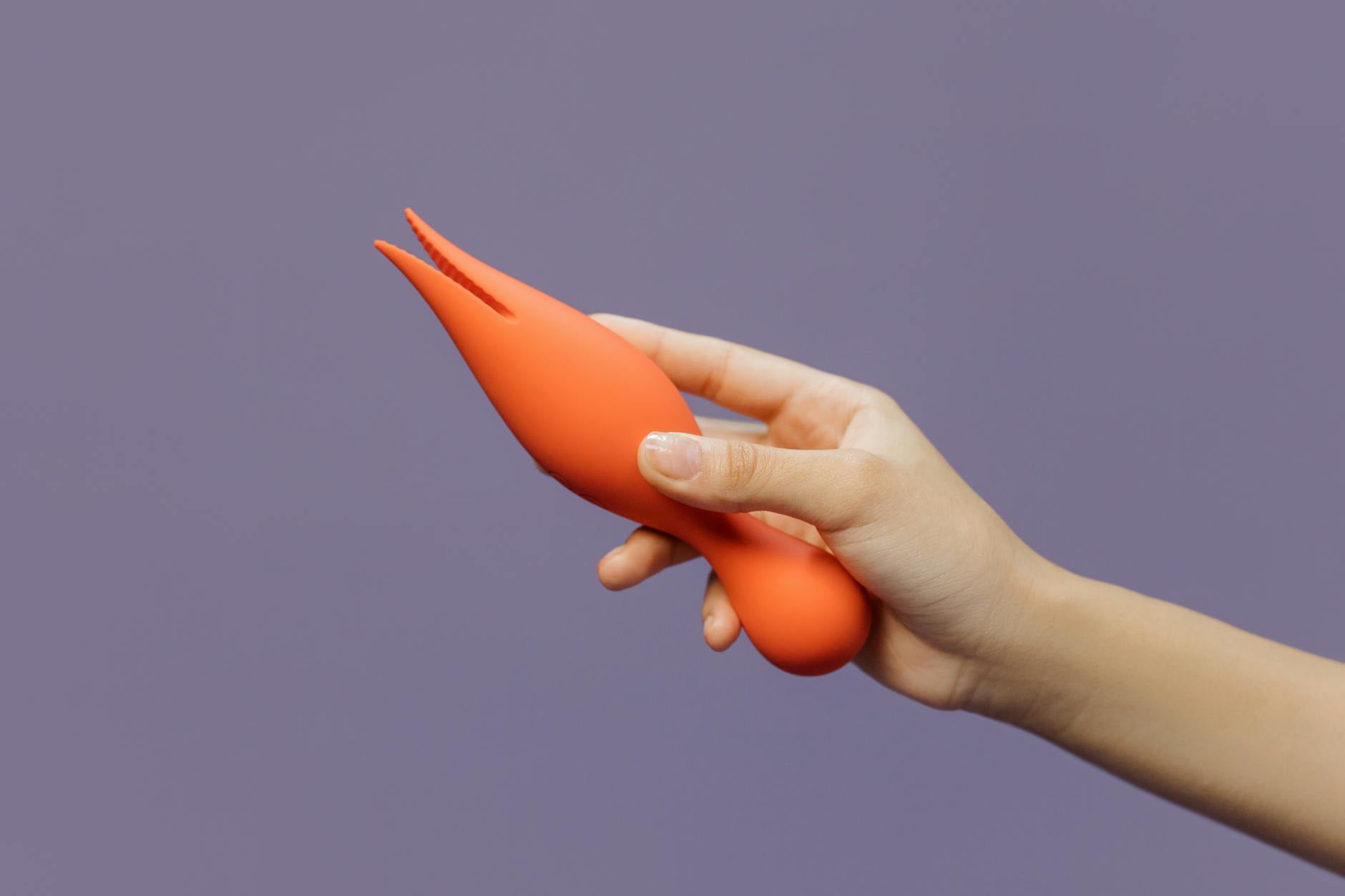
Let's name what actually happened
Emotional distance doesn't announce itself. It creeps in through months of unopened conversations, unmet bids for connection, and the slow accumulation of small resentments that never get named. By the time you notice the sex is gone, the real damage isn't in the bedroom. It's in the gap between you.
Your partner feels like a roommate. You feel invisible. And restarting physical intimacy? That feels impossible when you're not even sure how to talk about it.
Here's what I know after years of working with couples in exactly this position. The lemon vibrator isn't the solution to emotional distance. But it's an extraordinarily useful tool for beginning the conversation that leads to the solution.
Why emotional distance kills desire first
Desire lives in safety. Not the absence of risk, but the presence of being known, being chosen, being prioritized by someone who matters. When emotional connection erodes, your nervous system registers the threat before your brain does. The body simply stops cooperating.
Many couples mistake this for mismatched libido or medication side effects or simple boredom. The real culprit is disconnection. Your body isn't broken. It's protecting you from intimacy with someone who feels like a stranger.
This is why couples who take months of therapy to rebuild emotional trust often report that sexual connection returns almost spontaneously. The plumbing was fine all along. It was the foundation that cracked.
How a lemon vibrator opens the conversation
Introducing any toy into a relationship already strained by distance is risky. It can feel like a rejection ("my body isn't enough for you"), a quick fix ("let's just bandage this"), or an escalation ("where did this come from suddenly?").
A lemon vibrator works differently because of how it functions. It's explicit. You can't pretend it's just a back massager. It has one clear purpose. And that specificity is actually helpful when you're starting from emotional distance.
Here's why: a lemon sexual toy forces intention. You have to choose to use it. You have to talk about it beforehand. You can't drift into it accidentally during a routine encounter. And that friction, that moment of deliberate choice, creates space for actual communication.
Your conversation might go like this. "I miss us. I want to rebuild this. I'd like to try something that might help me feel less in my head and more present with you. Would you be open to that?"
Notice what that does. It's vulnerable. It names the real problem (missing each other, not sexual dysfunction). It positions the lemon vibrator as a tool for presence, not a replacement for your partner's touch.
The practical steps for reconnection
If your partner agrees, move slowly. Emotional distance isn't repaired in a single session.
Start with conversation, not the toy. Ask your partner what they need to feel safe trying something new. Ask what barriers exist. Let them ask you the same questions. A lemon clitoral vibrator in the hands of someone still doubting your commitment is just a vibrator.
Introduce it in a low-pressure context. Don't lead with "let's use the toy." Try "I want to explore what feels good for my body with you nearby. I'd like you to watch, ask questions, and just be present. Nothing more." This reframes it from performance to exploration.
Use it solo first if you need to. Many people reconnecting after distance find it easier to get comfortable with a lemon vibrator alone. You're learning how it works, what patterns feel right, and rebuilding your own relationship with pleasure. This isn't avoidance. It's groundwork.
When you use it together, prioritize presence over orgasm. The goal isn't climax. It's connection. What matters is that your partner sees you receiving pleasure, and you're aware of being seen. That's the beginning of rebuilding intimacy.
You might orgasm. You might not. Both are fine. The lemon adult toy is just the medium. The real work is happening in the conversation, the presence, the choice to stay vulnerable with someone you've drifted from.
What this feels like emotionally
Reconnecting after emotional distance is awkward. There's vulnerability and risk and the fear that you've drifted too far. A lemon vibrator doesn't erase that discomfort.
But it does make the discomfort productive. It gives you something concrete to focus on while you're rebuilding trust. It creates a permission structure for pleasure in a context where pleasure has felt unavailable.
Some couples find that using the toy together becomes a ritual of reconnection. It's not about the orgasm. It's about the weekly choice to stay present, to prioritize each other's pleasure, to be deliberate about desire when drift is the easier path.
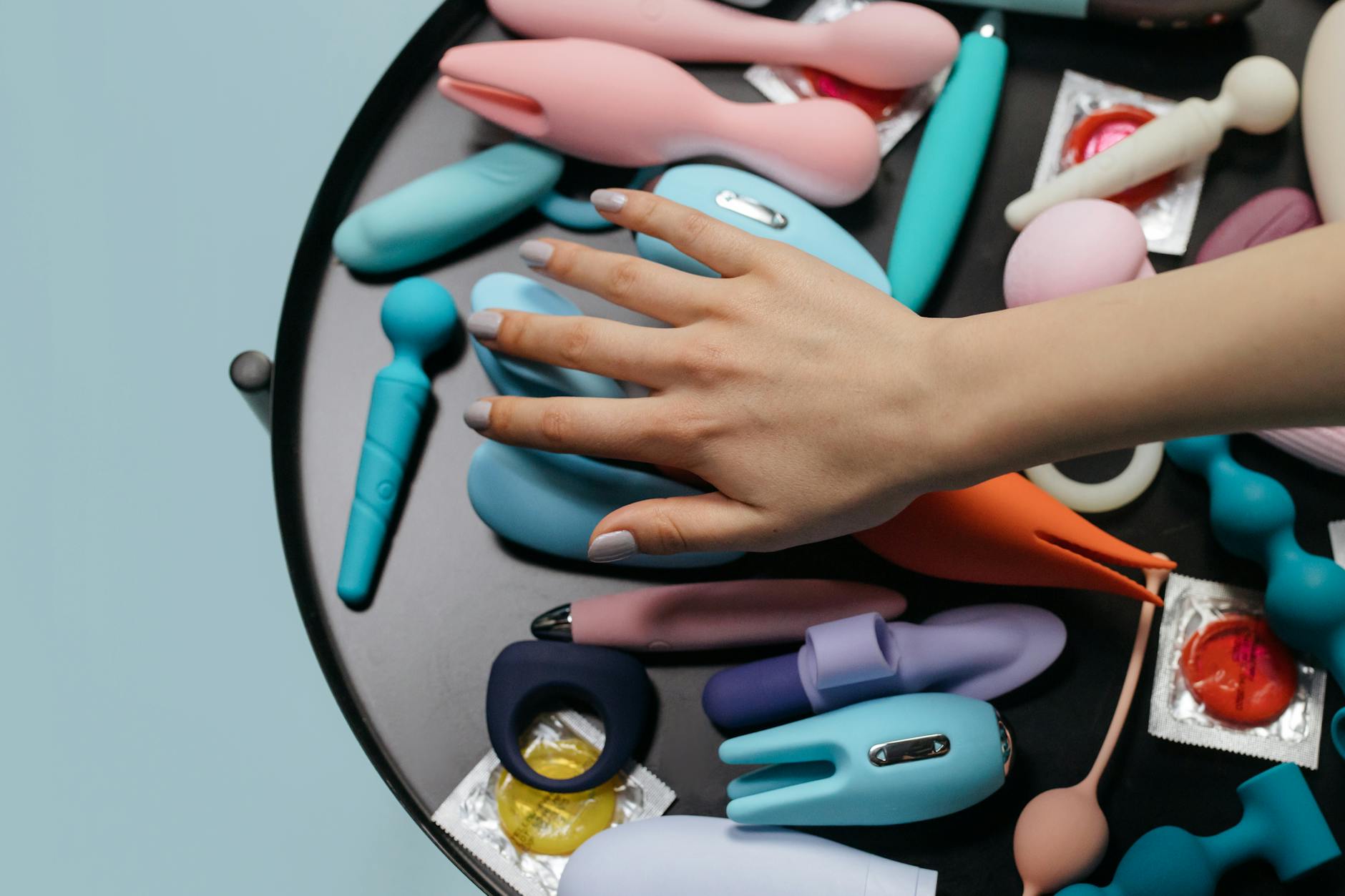
Photo by cottonbro studio on Pexels
When to bring in a therapist
Here's what I need to say clearly. If emotional distance feels too deep to bridge alone, or if conversations about reconnection keep derailing, a couples therapist should be in the room. Not because the lemon vibrator isn't useful. But because emotional distance usually has roots you can't see.
Unspoken resentments, competing needs, grief, burnout, betrayal, misaligned values. These all hide under the surface of "we just don't touch anymore." A skilled therapist helps you name what's actually broken before you try to fix the sex.
A lemon clitoral vibrator is a tool for reconnection. It's not a replacement for the emotional work that reconnection requires.
The difference between reconnection and surface fixing
I want to be direct about this because I see couples make this mistake regularly. Introducing new toys, switching up positions, scheduling sex. These can help once the foundation is solid. But they're band-aids on emotional distance.
True reconnection means addressing why you drifted. Were you both so overwhelmed with work and children that connection became a luxury? Do you have fundamental values misalignment you've never discussed? Is one partner carrying more emotional labour? Did infidelity or betrayal happen and never fully heal?
The lemon vibrator can't answer these questions. But starting to use one together, with intention and honesty, creates the container where you might finally ask them.
FAQ: Reconnecting intimacy and lemon vibrators
Will introducing a toy make my partner think I'm not attracted to them?
Not if you frame it correctly. The frame matters enormously. "I want more of you" is very different from "this toy replaces you." Explicitly tell your partner that you're trying to rebuild presence and desire together, and you want their help. Ask them to stay close, to touch you, to ask questions. The lemon vibrator is the prop. The connection is the point.
What if my partner feels threatened by the lemon sexual toy?
That reaction usually signals deeper insecurity or unspoken concerns about the relationship. Don't push the toy. Have the conversation instead. "What worries you about this?" Listen without defending. Often the real fear isn't about the vibrator. It's about whether you still want the relationship, or whether you're checking out. Address that fear first.
How often should we use a lemon clitoral vibrator together while reconnecting?
There's no formula. Some couples find weekly feels right. Others do it once a month, making it a deliberate ritual. What matters is that it's chosen, not pressured. Quality over frequency. If it starts to feel like an obligation, that's a sign you need to pause and check in about what's really happening emotionally.
Can a lemon vibrator help if we're considering ending the relationship?
No. If you're genuinely questioning whether you want to stay, the lemon adult toy will just delay the real conversation. Use these months to see a therapist individually and together. Figure out whether the distance is a temporary drift or a sign of fundamental incompatibility. Then decide.
What if I want to reconnect but my partner doesn't?
That's a different problem, and one that usually needs professional support. Unequal desire to reconnect often signals that one partner has already emotionally checked out. Don't try to seduce them back into the relationship using a toy. Get into therapy. Understand what's really happening. Make decisions from there.
Is a lemon vibrator appropriate if there's a history of sexual coercion or trauma?
Not without extensive preparation and professional guidance. Emotional distance after trauma isn't just distance. It's protective. Reintroducing pleasure tools requires careful, trauma-informed work, ideally with a sex-positive therapist who specializes in this. Don't skip that step.
The real beginning
Reconnection isn't fast. It's not one conversation or one session with a lemon vibrator. It's a series of small choices to stay present, stay vulnerable, stay honest about what you need and what you're feeling.
A lemon clitoral vibrator can be part of that process. It can help you rebuild the physical dimension of intimacy once the emotional ground is solid enough. But the toy is never the starting point.
The starting point is the decision to stop drifting. To name what's gone quiet between you. To ask for help if you need it. To choose each other deliberately, over and over, even when it's uncomfortable.
The lemon vibrator just makes that choice feel less lonely.