Let's start with the real problem
You can reach orgasm. Sometimes. But not reliably. Maybe you get there once every three times, or maybe it depends entirely on your stress level, your partner's mood, or whether Mercury is in retrograde (it's not, but it sure feels that way). The frustration is real because it's not about capacity. Your body works. Your nerves are fine. Something about the timing or the stimulus isn't clicking.
This inconsistency is wildly common and almost never discussed. Most orgasm advice assumes you either can or you can't. The actual middle ground where you can but the conditions have to be just right is where most people live.
Why orgasm becomes inconsistent in the first place
Orgasm needs three things: adequate stimulation, the right intensity progression, and mental presence. If any one of those is off, the chain breaks. Here's what typically happens.
Variable stimulation. A partner's hand gets tired or changes rhythm slightly. A vibrator at the wrong angle doesn't quite reach the most sensitive spot. Your own hand tires and unconsciously eases pressure. Small shifts that feel invisible can kill arousal in seconds.
Intensity mismatches. You need to build gradually. Start too intense and you numb sensation. Start too soft and arousal plateaus. The sweet spot is narrow, and it shifts depending on where you are in your cycle, your stress level, and how long it's been since the last time.
Distraction. Even if you think you're fully present, your nervous system might not be. Performance pressure ("will it happen this time?"), partner anxiety, ambient noise, or a random thought about work interrupts the chain reaction your brain needs to fire. The higher the stakes feel, the harder it gets.
These three factors almost never line up perfectly on their own.
Why suction-based stimulation is genuinely different
Most vibrators use friction or percussion. Your partner's hand uses friction. Both are variable by nature. Pressure shifts, rhythm drifts, intensity wavers. This is fine for some bodies. For people with inconsistent orgasm, that variability is actually the problem.
Suction-based clitoral vibrators like the Lem work through a different mechanism entirely. They create a seal around the clitoris and pulse that seal rhythmically. The stimulus is consistent, non-fatiguing for the user, and works with your nervous system rather than against it.
Here's why this matters neurologically. The clitoris has about 8,000 nerve endings concentrated in a space the size of a pea. Suction distributes pressure evenly across those nerves instead of focusing on one spot. This creates a broader, more reliable signal chain to your brain. Your nervous system doesn't have to filter out as much noise to find the pattern.
Consistency of stimulus creates reliability of response. It's not magic. It's mechanics.
Building the arousal ramp correctly
Inconsistency often happens because the build-up phase goes wrong. You reach a plateau instead of a climax because stimulation stayed the same too long or jumped in intensity too fast.
With a lemon clitoral vibrator, you control the exact progression. Most have 4-8 intensity levels. Start at level 1 or 2 for 2-3 minutes. Your tissues warm up, blood flow increases, and sensation deepens. Then move to level 3 for another few minutes. Let your body acclimate and ask for more rather than surprising your nervous system with a jump.
This pacing works because your brain can anticipate the next shift. You're not guessing. You're not hoping your partner guesses. You're following your actual physiological timeline.
When you do this consistently for three or four sessions, your nervous system starts to recognize the pattern. Orgasm becomes less like a lottery and more like a process you can trust.
The psychological component nobody mentions
Half the inconsistency battle is mental. If you've failed to climax in the past, your brain now carries that memory. Next time, a part of you is waiting for it to fail again. That anticipatory anxiety tightens your pelvic floor, raises your cortisol slightly, and makes the whole chain harder to trigger.
Using a tool that's known to be reliable breaks that cycle. A lemon vibrator doesn't get tired, doesn't change rhythm, and doesn't stop to check if you're enjoying it. It just does what it's designed to do. That predictability is permission to relax.
For people who have been faking orgasm (and honestly, plenty have), the first time you reach a genuine one using a reliable tool is genuinely transformative. Your brain recalibrates. The next time is easier. And the next one is easier still.
If you're partnered, using a lemon vibrator solo first is sometimes the smartest move. You figure out your timeline without an audience or pressure. Then later, you can invite a partner to watch or integrate the device into partnered sex.
When to add other factors
Once you've got reliable solo orgasm with a lemon clitoral vibrator, you can layer in other variables without losing consistency. This is why so many people find that orgasm with a partner becomes easier after they've sorted it alone first.
Add temperature changes (warm hands, cool air). Add position changes. Add sound or different settings. Your nervous system now has a stable baseline, so extras enhance rather than derail the experience.
Duration matters too. If you typically climax in 8-12 minutes alone, expect partnered sessions to take 15-20 minutes. Account for that beforehand rather than watching the clock.
What to avoid while building consistency
Don't chase intense settings. Low and medium almost always work better than cranking it to maximum. High intensity can numb sensation over time and creates a ceiling effect where you stop feeling progression.
Don't change tools mid-session. If you're using a lemon vibrator, stick with it for the whole buildup. Switching devices mid-arousal resets your nervous system and often kills momentum.
Don't practice during high-stress periods. Rebuilding consistency takes mental space. Pick times when you're not carrying work stress or relationship tension. Weekend mornings when you have time. When you're not checking the clock.
Don't force it. If it's not happening in 20 minutes, pause and try again later. Consistency is built over weeks, not in one session.
Why consistency matters beyond the moment
Reliable orgasm changes how you relate to your own body. You stop viewing pleasure as something that happens to you and start experiencing it as something you create. That shift affects everything. Your confidence increases. Your interest in sex increases because it's no longer a coin flip.
If you're in a partnership, consistent pleasure changes the dynamic too. A partner feels less pressure to perform a miracle and more like they're supporting something that already works. That's genuinely less stressful for everyone.
Reaching orgasm consistently for the first time (or reliably, if you've had years of hit-or-miss) also gives you data about your body. You learn your timeline, your triggers, the exact rhythm that works. That knowledge carries forward into everything. You know what you need. You can ask for it.

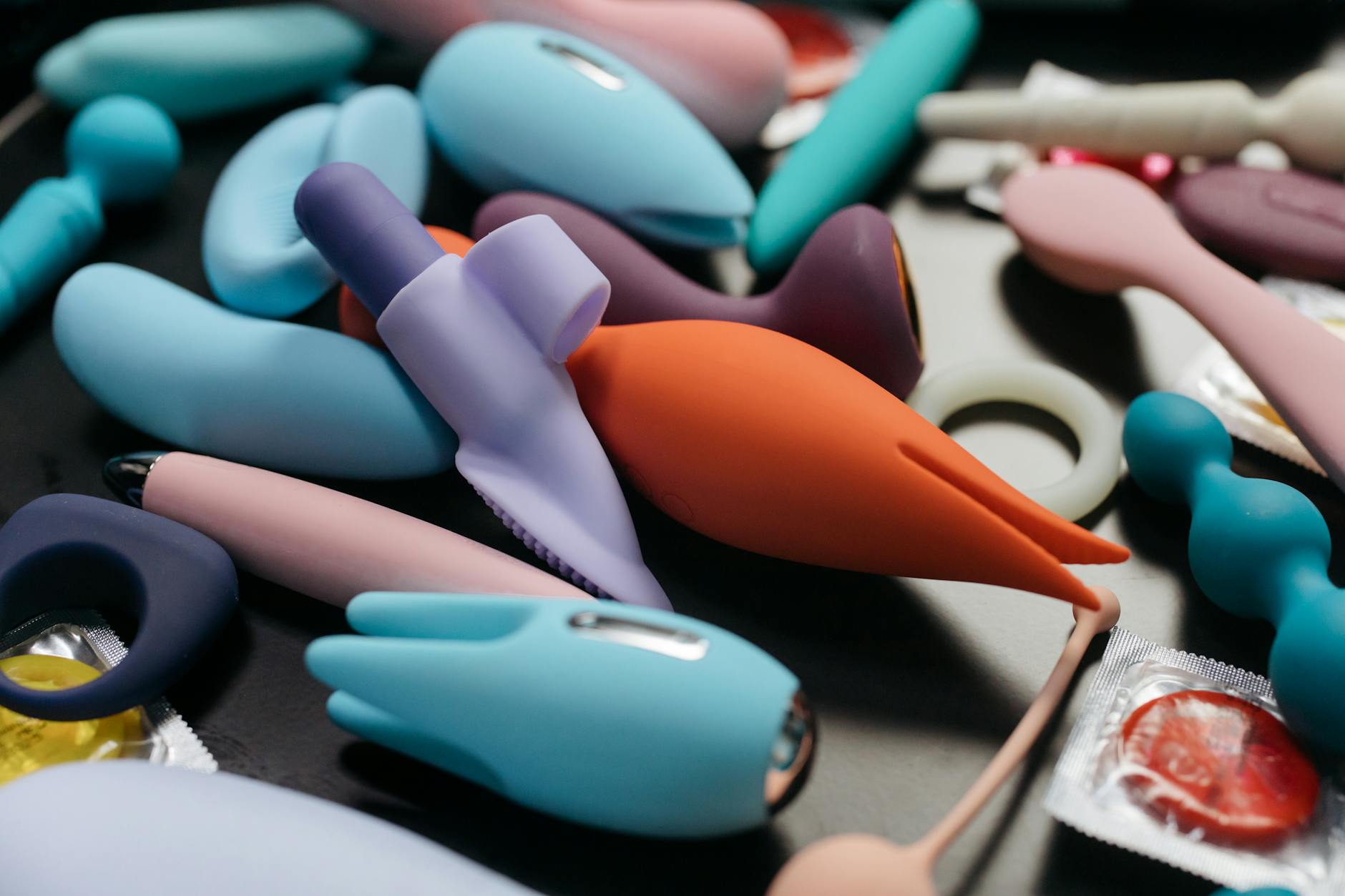
Photo by FounderTips on Pexels
Timing: when to expect shifts
First session with a lemon vibrator usually feels different but not life-changing. Your body is still learning. By session three or four, the consistency starts clicking. By week two of regular use, most people notice their orgasm success rate is up to 70-80% instead of 30-40%.
Hormonal cycles still matter. You might find that days 10-15 of your cycle feel wildly easier than days 1-5. That's not inconsistency. That's biology. Once you know your pattern, you can work with it instead of against it.
Menopause, hormonal birth control, and medication all shift your baseline. Inconsistency that appeared suddenly often has a medical explanation. If you've been reliable for years and suddenly stopped, that's worth discussing with a doctor. If you've always been inconsistent, a lemon vibrator and patience usually crack the code.
Common concerns
Won't I become dependent on the device? Honestly no. Once your nervous system knows it can reliably reach orgasm, that knowledge transfers. Many people find solo pleasure becomes easier with or without a tool after they've sorted it with one.
What if I have a partner? Use it solo first, then introduce it to partnered sessions when you're confident. Some partners love being part of the solution. Some people prefer to keep solo play and partnered play separate. Both are fine.
How long should I use it? Until you reach orgasm. For most people that's 8-15 minutes once you've sorted your timeline. You're not supposed to use it continuously all day.
Will it feel numb eventually? Not if you give your body recovery time between sessions. A couple days between uses keeps sensation fresh.
FAQ
Why do some people orgasm easily and others struggle?
Orgasm reliability depends on neural sensitivity, hormonal baseline, stress levels, and stimulation consistency. None of these are moral failings. Some bodies genuinely need more precise stimulus conditions. That's not a defect. That's specificity. A lemon clitoral vibrator meets that specificity requirement where friction-based stimulation often misses the mark.
Can anxiety about not reaching orgasm actually prevent it?
Yes, absolutely. Performance pressure triggers your parasympathetic nervous system to contract your pelvic floor and raises cortisol slightly, both of which work against arousal. This creates a feedback loop where past failure predicts future failure. Breaking that loop usually requires either a reliable tool or time away from partnered pressure or both.
Does inconsistent orgasm mean something is wrong with me physically?
Not usually. Most inconsistency is about stimulus mismatch or mental factors, not physical dysfunction. If you've never been able to orgasm at all, that's different and worth discussing with a healthcare provider. If you can but it's unreliable, a lemon vibrator solves it for most people within a few weeks.
Should I tell my partner about using a vibrator to sort this out?
That's your call. Some partnerships benefit from transparency. Some people feel more comfortable figuring things out alone first. If you do tell a partner, frame it as problem-solving for both of you, not a criticism of them.
How do I know if I'm actually reaching orgasm?
Orgasm has physical markers: rhythmic contractions in your pelvic floor, increased heart rate and breathing, a release of tension followed by relaxation. But honestly, if you're not sure whether something you experienced was an orgasm, it probably wasn't a strong one. A lemon vibrator usually produces unmistakable sensation.
Will my body adjust and need stronger vibrations over time?
Not if you vary your settings and give recovery time between sessions. Using the same intensity every single day for months can create adaptation. Rotating between levels 3, 4, and 5 keeps sensation fresh and prevents habituation.
The bottom line
Inconsistent orgasm is solvable. Most of the time it's not a medical issue. It's a stimulus or sequencing issue. A lemon vibrator addresses both by providing consistent, non-fatiguing stimulus that lets you build arousal gradually without variables derailing the process. Within a few weeks of regular practice, most people move from unreliable to dependable. That shift changes everything. Not just about sex. About trust in your own body.
If you're ready to stop the guessing game and start building actual consistency, that's what tools like the Lem are designed for. Your pleasure deserves reliability. You deserve to know your own baseline and trust it. If you have questions about how to get started or want to discuss what might work best for your specific situation, reach out.