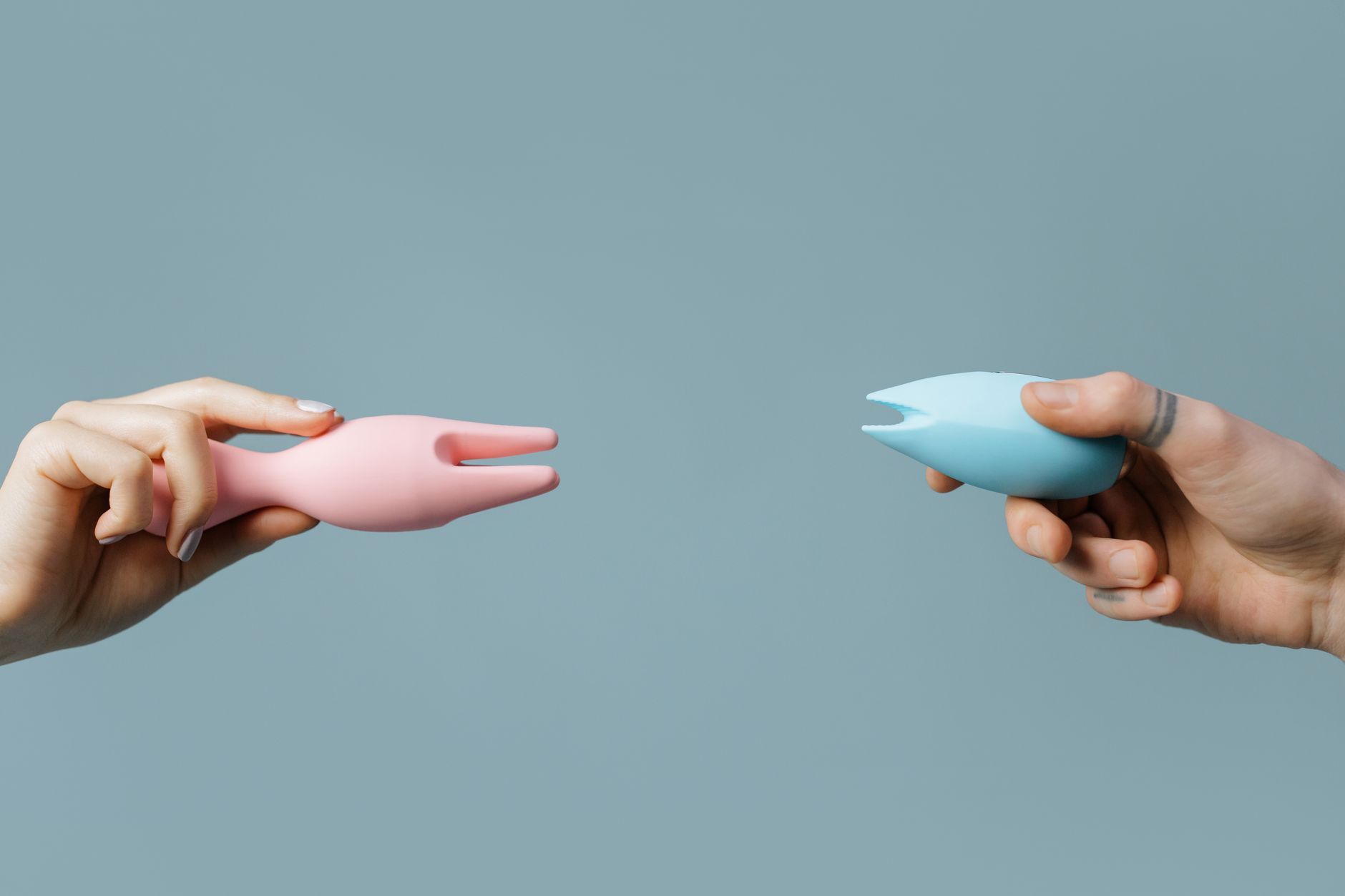
Let's talk about what nobody mentions in recovery
After pelvic surgery, your gynecologist will tell you when you can exercise again, when the scar is healed, when you're cleared for penetrative sex. What they often don't address is pleasure, sensation, and what solo exploration looks like in the months between surgery and full recovery. The silence around this part is almost worse than the surgery itself.
Here's the reality: your body has been through trauma, intentional trauma, but trauma nonetheless. Rebuilding sensation and arousal after pelvic surgery takes longer than most people expect, and using the wrong tools in those early weeks can set back healing or create phantom pain that lingers months later. A lemon vibrator, with its gentle suction mechanism, works differently than traditional vibrators during this window, and that difference matters enormously.
What pelvic surgery actually changes
The specifics vary depending on whether you had a hysterectomy, fibroid removal, endometriosis excision, or another procedure. But the common thread is this: your nervous system has been disrupted. Nerve endings around the surgical site are irritated or healing. Scar tissue is forming. Blood flow is rerouting. Your brain is still processing that something significant happened down there.
Tissue sensitivity spikes before it settles. This means that direct vibration, the kind you might have enjoyed before surgery, can feel too intense, too sharp, or even painful in ways that surprise you. Some people report a burning sensation that seems unrelated to the actual incision. Others feel numbness that stretches further than the scar itself.
Your clitoral nerve density hasn't changed. The neural pathways for pleasure are intact. But the surrounding environment is inflamed, and your brain is guarding that territory fiercely. Healing is not linear, and neither is the return of comfortable sensation.
Why lemon vibrators suit recovery differently
A lemon clitoral vibrator works through suction and pulsing rather than direct friction. This distinction is not semantic. When tissue is healing, friction can irritate newly forming nerve connections. Suction, by contrast, creates a gentler pressure gradient that stimulates nerve endings without grinding against sensitive scar tissue.
The other advantage: control. The best lemon suction vibrators have multiple intensity levels and patterns. During early recovery, you'll live on settings 1 and 2. Your partner might have enjoyed you at setting 5 before surgery. That's okay. You're not broken. You're healing, and the device scales with you.
Most importantly, a lemon vibrator doesn't require you to think about positioning. After abdominal or pelvic surgery, certain angles create referred pain that has nothing to do with the scar itself. A lemon vibrator lets you stay relatively still, controlling input instead of performing motion. That matters for your nervous system's ability to relax into sensation.
Timeline expectations and what each phase needs
Weeks 1-2 post-op: You're not touching yourself. You're resting, bleeding, taking antibiotics. Don't. Full stop.
Weeks 3-6: Your doctor has cleared basic activity. You might feel itchy or almost aroused because of healing inflammation, which is wild but normal. This is not the moment to use any vibrator. Arousal will increase blood flow to the area, which can restart light bleeding or increase pain. It's not worth it. Your body is still in acute healing mode.
Weeks 7-12: You're likely cleared for penetrative sex by now, but healing is ongoing. This is when a lemon vibrator enters the picture. Start with external contact only, no penetration. Use it for 3-5 minutes maximum. Watch for increased pain, swelling, or bleeding after. If any of those appear, wait another week and try again.
Weeks 13+: Sensation typically begins returning around week 12-16 post-op. A lemon vibrator becomes genuinely useful rather than experimental. You can increase session length to 10-15 minutes. Try different patterns. Your pleasure is legitimately returning.
How to actually use one during recovery
Start in a position where your pelvic floor is completely relaxed. After surgery, the pelvic floor often contracts unconsciously as a protective reflex. Lying flat with a pillow under your knees is ideal. If internal scar tissue feels tender, a pillow between your knees reduces tension on the surgical site.
Begin with your vibrator off. Hold it near the area, not touching, for 30 seconds. Let your nervous system register that it's there and that nothing bad is happening. Warm up your tissues first: a few minutes of gentle touch with your hand, no vibration.
When you switch the vibrator on, use setting 1. This is not the moment to be brave. You're gathering data: does this feel good, neutral, or uncomfortable? There's no prize for endurance. Three minutes of comfortable sensation beats ten minutes of gritted teeth.
Apply the vibrator with gentle pressure, not firm. Your instinct might be to press hard, searching for the pleasure you remember. Resist that. Let the suction do the work. Your nervous system is being re-educated about what feels good, and that education needs gentleness.
What to watch for and when to pause
Increased pain after use: Pull back. Wait 3-5 days and try again with less time or a lower setting.
Bleeding or discharge that increases after use: This signals inflammation. Your body is telling you it's not ready yet. Respect that.
Numbness that persists or worsens: Normal numbness typically resolves over months. If a vibrator is making numb areas feel more dead afterward, you're over-stimulating. Use lower intensity or shorter sessions.
A sensation of sharp stinging or burning: Distinguish this from normal sensitivity. Healing tissue can feel prickly, which is different from sharp pain. Prickly usually settles in a minute or two. Sharp pain doesn't. If it's sharp, stop.
Phantom sensations or referred pain in your abdomen or lower back: This is your nervous system recalibrating. It's uncomfortable but not dangerous. It usually resolves within a few weeks of consistent, gentle use.
Communication with your partner during this phase
If you're in a relationship, your partner needs to understand that your body is not the same yet. Pleasure is being rebuilt, not rushed. The lemon vibrator becomes a tool for both of you, not a replacement for their touch or a performance metric.
Sharing what actually feels good right now, versus what felt good six months ago, is crucial. Your partner might worry they're hurting you. They might feel rejected by slower recovery. Talk about those feelings separately from the physical exploration. Pleasure is returning, but the timeline is your body's, not anyone else's.
When to bring this up with your doctor
If pain worsens rather than improves over weeks, if you're experiencing new swelling or persistent bleeding after attempts at arousal, or if numbness hasn't begun resolving by week 16 post-op, circle back with your gynecologist. These could signal complications that need attention. Your doctor doesn't need graphic details, but they do need to know that you're experiencing pain or dysfunction related to the surgical area.
Many gynecologists are surprisingly open about vibrators once you frame it as a recovery tool. You might ask something like: "I'm interested in gradually returning to solo pleasure as part of recovery. Are there any concerns with using a gentle external vibrator at this stage?" Most will either clear you or give you specific guidance on timing or intensity.
Rebuilding pleasure is rebuilding trust
After surgery, your body feels foreign. There's trauma in that, and your nervous system remembers it. Using a lemon vibrator during recovery is not just about orgasms. It's about slowly teaching your body that sensation can return safely, that pleasure is still available to you, and that healing includes joy, not just the absence of pain.
Patience now pays off in genuine pleasure later. You're not rushing back to where you were. You're building something new, on your body's terms.