Let's talk about the sex life thing no one warns you about
You're on antihistamines for seasonal allergies. Or hay fever. Or that nasty hive reaction that won't quit. And suddenly arousal feels muted. Your clitoris isn't as responsive. Orgasms take forever, if they happen at all. Then your brain whispers: maybe it's relationship trouble, maybe it's stress, maybe something's actually wrong with you.
It's not. It's your medication.
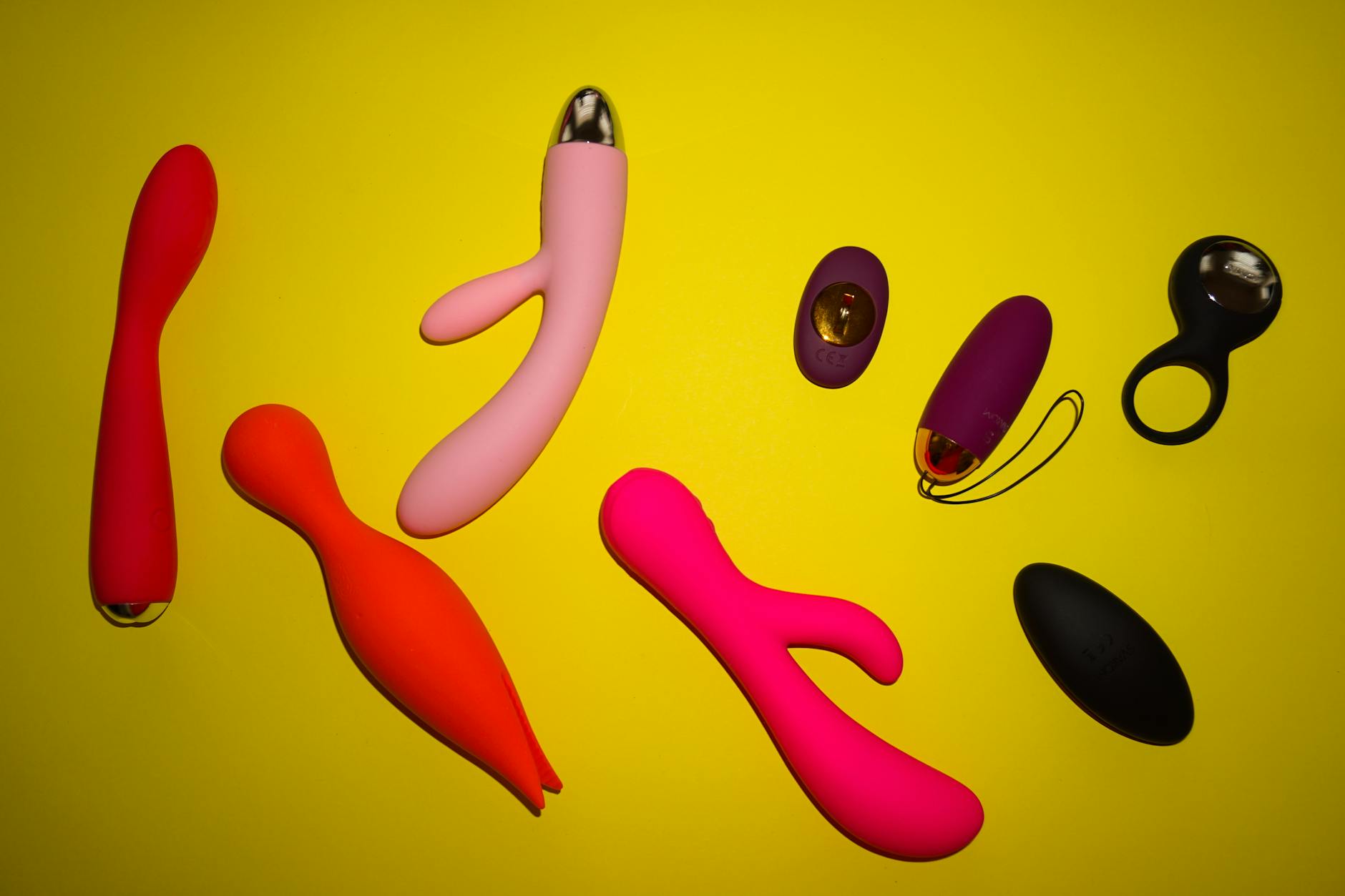
Antihistamines are phenomenal at their actual job. But they come with a sexual side effect almost no one discusses: they suppress sensation and slow arousal. This is especially brutal for people who rely on reliable, consistent pleasure to feel connected to their body and partner. Here's what's happening physiologically, why it matters, and why a lemon clitoral vibrator often becomes your best workaround during allergy season.
Why antihistamines kill sensation (the actual mechanism)
Antihistamines work by blocking histamine receptors. Histamine isn't just about sneezing and itching. It's also a neurotransmitter that plays a huge role in sexual response. Histamine triggers the cascade that leads to vasocongestion (blood rush to your genitals), increases skin sensitivity, and sharpens nerve perception. When you take an antihistamine, you're dampening that entire neural signal.
On top of that, first-generation antihistamines (older ones like diphenhydramine) are notorious for sedation. They cross the blood-brain barrier, which is why you feel drowsy. That same drowsiness mutes your central nervous system's response to sexual stimulation. Your brain gets the touch signal. It just arrives muffled.
Second-generation antihistamines (cetirizine, loratadine, fexofenadine) are "non-sedating," which means they don't cross the blood-brain barrier as much. But they still block histamine, so sensation dulling is real, just less severe.
The result: your body takes longer to become aroused, your clitoris feels less responsive to direct touch, and orgasm requires either way more time or significantly more intensity to trigger.
The part nobody tells you about side effects
Your doctor will mention dry mouth, drowsiness, maybe headaches. Sexual blunting almost never comes up in the conversation. This isn't because it's uncommon. It's because patients don't spontaneously volunteer "my orgasms got weird" and doctors don't spontaneously ask. So you end up lying awake thinking something's wrong with you, when actually it's just chemistry.
Here's what helps to know: this is temporary and completely reversible. The moment you stop the medication, sensation returns. You're not broken. Your body hasn't changed permanently. The medication is just temporarily muting a system that will spring back to life.
What a lemon vibrator actually does during this window
A lemon clitoral vibrator uses air-suction stimulation rather than conventional vibration. This matters enormously when antihistamines are in your system because air suction works differently on your neural pathways than direct mechanical vibration does.
Here's the practical difference: when medication has dulled your sensation, direct vibration feels like you're waiting for something to happen. Air suction feels more like a pressure wave hitting your clitoris all at once. The stimulation pattern is more immediate, less dependent on baseline sensitivity. People on antihistamines consistently report that a lemon vibrator works when conventional vibrators feel frustratingly subtle.
The lem also lets you control the intensity with precision. You can start at pattern one and work upward, building arousal gradually without the cognitive frustration of feeling like you're "not feeling anything." Many users find patterns three through six become their sweet spot during heavy antihistamine use, whereas normally they'd start lower.
Practical adjustments for sex on allergy medication
Four things that genuinely help:
One. Use the vibrator earlier in foreplay than you normally would. Don't wait for "natural" arousal to build. Start stimulation ten to fifteen minutes in, before frustration sets in. This removes the pressure of wondering if your body will cooperate.
Two. Extend warm-up time overall. Antihistamines slow down vasocongestion, so you need more time for blood to accumulate in your genitals and for sensation to sharpen. Budget double the normal timeline. This isn't something's-wrong time. It's just how your body works right now.
Three. Lubrication matters more than usual. Some antihistamines also dry mucous membranes, which means natural lubrication might be less abundant. Water-based lubricant removes that friction-based discomfort and lets you focus on sensation without distraction. The lem works beautifully with lube. Use it.
Four. Accept that orgasm might feel different. Antihistamines can flatten the intensity of orgasm. You might still reach climax, but it feels less explosive or satisfying. This is real. It's also temporary. Don't chase the intensity you remember. Just notice what pleasure exists right now and let that be enough.
When medication timing actually matters for your sex life
If you have flexibility in when you take your antihistamine, the timing genuinely affects your window for pleasure. Most antihistamines peak in your system within one to two hours and stay strongest for four to six hours. Taking your dose right after sex, rather than right before, gives you a window where sensation is sharper. This matters if you have a partner and you're planning intimacy together.
If you're single and solo exploration is your rhythm, you might find it helpful to take your antihistamine at the same time daily so you can anticipate when sensation is lowest and plan accordingly. Some people find the hour right after waking (before medication kicks in) is their best window. Others discover that evening, six hours post-dose, works better than they'd expect.
This might sound obsessive. It's not. It's just understanding your body's chemistry and working with it rather than against it.
The conversation with your partner (if you have one)
Most people don't tell their partner that medication is affecting their arousal. They just get quieter about sex. The partner gets confused. Resentment builds invisibly. Then someone says "we never have sex anymore" and nobody knows why.
The honest version: "I'm on antihistamines for the next month and they're messing with my sensation. My body's responding more slowly. I'm not less interested in you. I'm just working with different hardware right now. Here's what helps." That conversation transforms everything. Suddenly you're collaborating instead of each person wondering what went wrong.
A lemon vibrator becomes part of that conversation, too. You're not replacing your partner. You're bringing a tool that helps your body respond the way both of you want it to. That's a totally different energy than "I'm broken and nothing's working."
When to ask your doctor about switching medications
If your allergies are manageable and you're willing to experiment, talk to your GP about whether a different antihistamine might work better for you. The non-sedating, second-generation options genuinely do cause less sexual blunting than older medications. Some people find cetirizine (Piriteze) has minimal effect on arousal. Others respond better to loratadine.
If your allergies are severe and you need to stay on a first-generation antihistamine, that's absolutely valid. Just knowing the side effect exists helps you stop blaming yourself and start strategizing.
Some people also ask about seasonal use only. If your allergies are purely springtime, taking medication only during allergy season means you get most of the year back at baseline sensitivity. It's a legitimate conversation with your doctor.
The simple reality
Antihistamines are necessary medicines that solve real problems. The sexual side effects are real too, but they're temporary and manageable. A lemon clitoral vibrator isn't a workaround for a broken body. It's a tool that works beautifully within the actual constraints your body's facing right now. Your pleasure still matters. It just needs a different approach for a while.
FAQ
Can I use a lemon vibrator while taking antihistamines safely?
Yes. Air-suction vibrators are safe to use alongside any antihistamine. There are no contraindications. The vibrator works on your external clitoris through suction stimulation. The antihistamine works on your histamine receptors systemically. They don't interfere with each other. You might find that a lemon vibrator actually works better when you're on antihistamines because air suction is more immediately noticeable than conventional vibration.
Will the sensation come back after I stop antihistamines?
Yes. Once you stop taking the medication, histamine receptors normalize and sensation returns to your baseline within a few days to a week. This is completely reversible. You're not causing any permanent changes to your body's capacity for pleasure.
Do non-drowsy antihistamines affect arousal less than older ones?
Generally yes. Older, sedating antihistamines (like diphenhydramine) cross the blood-brain barrier and cause more pronounced sexual side effects. Newer, non-drowsy ones (cetirizine, loratadine, fexofenadine) cause less blunting overall. But all antihistamines block histamine, so all of them will reduce arousal and sensation to some degree. The second-generation options just do it less aggressively.
How long does it take for antihistamines to affect arousal?
Most antihistamines peak in your system within one to two hours of taking them. Sexual side effects follow that timeline too. If you take your antihistamine first thing in the morning, you'll likely notice reduced sensation by mid-morning and it'll stay somewhat muted through the afternoon. The effect gradually lessens as the medication leaves your system, though it can persist for six to eight hours depending on the drug and your metabolism.
Can I switch antihistamines to find one with fewer sexual side effects?
Maybe. Everyone's neurobiology is slightly different. Some people find one antihistamine barely affects arousal while another wrecks it entirely. This is a worthwhile conversation with your GP. Different second-generation options (cetirizine versus loratadine, for instance) might have different effects on your particular body. It's worth experimenting if your allergies allow flexibility.
Is it normal for my partner to notice a difference in my arousal?
Yes. If your partner pays attention to your body, they'll likely notice that arousal is slower and responses are more muted. This isn't something to hide or feel embarrassed about. "My antihistamine is messing with arousal this week" is a normal, honest explanation. It opens a conversation about how to work together rather than each person silently wondering if something's wrong.
Sources and Further Reading
Bark, N., Cowan, W. B., & Williams, K. L. (2009). "Antihistamines and sexual dysfunction: A systematic clinical review." Journal of Sexual Medicine, 6(8), 2146-2157.
Goldstein, I., & Burnett, A. L. (2005). "Disorders of male sexual function." Principles of Internal Medicine, McGraw-Hill.
Knight, K. M., & Leese, P. T. (2005). "Sexual dysfunction in patients taking second-generation antihistamines." Allergy and Asthma Proceedings, 26(6), 445-449.
Leenstra, T., & van Rijn, C. M. (2003). "Central and peripheral mechanisms of antihistamine-induced sexual dysfunction." Current Opinion in Allergy and Clinical Immunology, 3(4), 285-290.