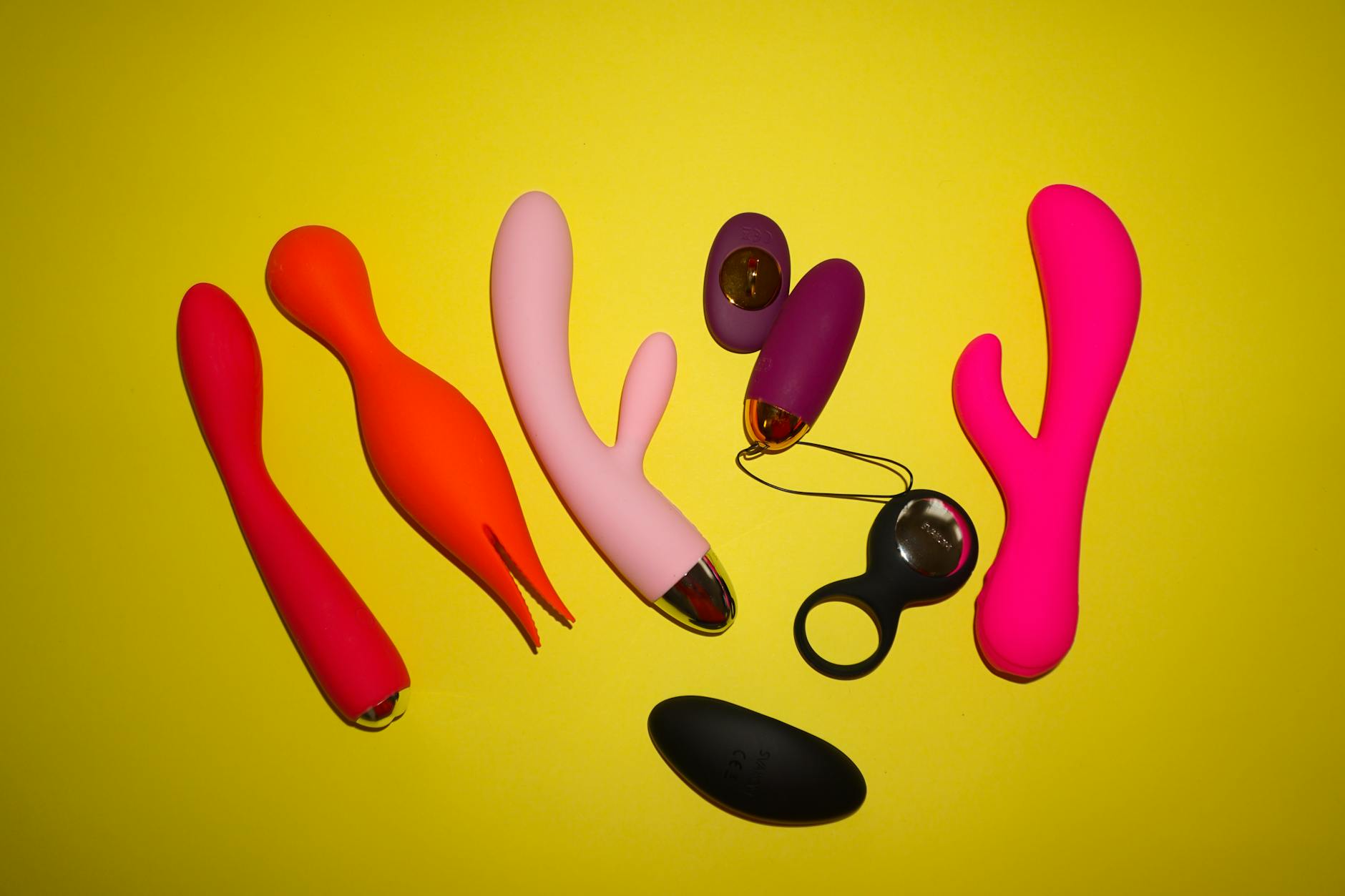
How to Use Lemon Vibrators After Painful Intercourse
Here's the thing nobody says out loud. After painful sex, your body doesn't just hurt. Your nervous system gets confused. Pleasure and pain get tangled up. The same sensations that used to feel good now trigger a protective flinch. Your brain remembers the hurt, and asking your body to trust sensation again takes deliberate, gentle practice.
That's where a lemon clitoral vibrator becomes genuinely helpful. Not as a bandage, but as a tool for re-learning what pleasure actually feels like on your terms. Unlike partnered touch, which carries history and expectation, solo exploration with a lemon suction toy gives you total control over speed, pressure, and when to stop. You're teaching your nervous system that sensation is safe again.
I work with people navigating this transition regularly. The ones who move forward fastest aren't the ones who push through discomfort. They're the ones who start absurdly small, honor their hesitation, and let pleasure rebuild gradually.
Understanding why pain changes everything
Painful intercourse isn't just a physical problem. It's a nervous system problem. When sex hurts, your brain logs it as a threat. The next time you're in a similar situation, your body tightens defensively. This is protective and intelligent, but it's also the exact opposite of the relaxation pleasure requires.
Even after the physical cause is treated, the memory stays. You might have addressed vaginal dryness, pelvic floor tension, or relationship friction, but your nervous system is still running an old alarm. Using a lemon vibrator during solo recovery helps you rewrite that pattern. You're creating new sensations in a context where you feel completely safe. No performance pressure. No worry about your partner's experience. No history.
This is why sensation work with a toy often feels different and easier than jumping straight back into partnered sex.
Starting with the right pressure setting
Here's where lemon clitoral vibrators actually outperform traditional vibrators for recovery. Suction technology gives you pressure without sharp vibration. For someone whose body has learned that sensation equals hurt, that difference matters wildly.
Start with pattern 1 or 2. If you've never used a lemon suction toy, these settings feel almost gentle. Most people expect more intensity, which is exactly why they're perfect for early recovery. You're not here to build orgasms yet. You're teaching your nervous system that touch can feel good without escalating to intense.
Think of it like a volume dial for sensation. Traditional vibrators start loud. Lemon vibrators let you whisper first.
The actual process: Solo, alone, pressure-free
Set aside 20 minutes, not in bed. A bath, the sofa, anywhere that feels genuinely comfortable and separate from where painful sex happened. This matters. Your brain has stored that specific location as risky. A different environment helps reset the association.
Start clothed or partially clothed. Get to know the toy against your thighs, your inner arm, your neck. That sounds silly, but it's not. You're building familiarity and letting your nervous system recognize that this object isn't a threat. Spend five minutes just touching it, holding it, turning it on in your hands.
When you're ready, use the lowest setting on the outside of your vulva. Not inside. Not on the clitoris directly. The skin around the vulva has fewer nerve endings and is less sensitive. This is your training ground. Notice what pressure feels okay. Notice what makes you want to pull away and why. Both reactions are information.
Do this three or four times before moving to the clitoris. No timeline. No rush.
Building sensation gradually
Once the outer vulva feels genuinely comfortable, move to the clitoris with the lightest touch. Most people instinctively apply pressure here because traditional vibrators need it to feel like anything. With a lemon vibrator, barely any pressure works. Let the suction do the work.
Stay at pattern 1 or 2. Your goal isn't an orgasm. It's the sensation of pleasure without pain, without tightness, without flinching. Pleasure that your nervous system recognizes as safe.
You might feel numbness or disconnection at first. This is common after painful sex and completely normal. It's not broken. Your body is protecting you. Keep showing up gently, and sensation gradually returns. It usually takes three to five sessions before numbness starts to lift.
If at any point you feel pain or a strong urge to pull away, stop. Use a water-based lubricant (yes, even for solo use) and try again another day. Your timeline matters more than any imaginary schedule.
When your partner is involved
If you have a partner, don't jump straight to partnered use. Do five to seven sessions solo first. Build confidence that sensation feels safe when you're in control. Then, when you're ready for partnered exploration, let your partner know exactly what you're doing and why.
You might use the lemon vibrator together while staying away from penetrative touch entirely. This lets your partner be present and supportive without triggering the protective pattern your body learned. Over time, as pleasure rebuilds, you can gradually add other types of touch.
The key conversation is this: "I'm rebuilding my relationship with pleasure solo. When I feel ready, I want you there, but on my timeline." A partner worth keeping will understand completely.
What patterns work best for recovery
Most lemon clitoral vibrators offer several suction patterns. Beyond pattern 1 and 2, the pulsing settings often feel better for recovery than steady suction. Pulsing mimics the way your body naturally responds to pleasure. It's less intense but more recognizable as pleasure.
Avoid the intense steady suction or rapid pulsing until you're firmly in the "pleasure feels safe" phase. Those patterns are great once your nervous system has relaxed. Right now, they can feel overwhelming.
If you find that even pattern 1 feels too much, try using the toy on a lower battery level. Yes, this is a thing. Some lemon vibrators work slightly differently at 80% battery, giving you micro-adjustments in pressure. It sounds pedantic, but for someone rebuilding sensation, those tiny differences are everything.
The emotional piece matters as much as the physical
Honestly, the recovery work isn't just about nerve endings and pressure. It's about proving to yourself that your body isn't broken and that pleasure is still possible for you. Every session where you feel good without pain is a small revolution in your nervous system.
You might feel grief during this process. Grief that sex used to be simple and isn't anymore. That's real and valid. It doesn't mean the recovery isn't working. It means you're processing something significant. Let that exist alongside the physical healing.
Common questions as you rebuild
Most people ask whether using a toy solo will make partnered sex feel less satisfying. The answer is no. Actually, the opposite. When you know what feels good and you've practiced asking for it, partnered sex usually improves dramatically. You're not learning to depend on the toy. You're learning to recognize and communicate your own pleasure.
Another common worry: will your partner feel threatened by solo use during recovery? The healthiest partners see this as you taking care of yourself, which is attractive. If your partner has an issue with you rebuilding your own pleasure, that's worth exploring separately, possibly with a couples therapist.
When to involve a professional
If pain during sex was caused by pelvic floor dysfunction, vaginismus, or vulvodynia, a pelvic floor physical therapist is worth the investment alongside solo recovery work. If the painful sex was related to relationship friction or trauma, a therapist who specializes in sex and intimacy can help you process that while the physical healing happens.
You don't have to choose between professional support and personal recovery. They work best together.
The timeline isn't linear
Some days your body will feel ready to progress. Other days you'll want to go back to gentler patterns. That's fine. Healing isn't a straight line. Listen to what your nervous system needs on any given day and adjust. If you're forcing progression to meet some imaginary timeline, you're working against yourself.
Most people find that after four to six weeks of consistent, gentle solo use with a lemon clitoral vibrator, sensation and confidence return significantly. Full recovery usually takes two to three months, depending on what caused the pain and how long it lasted.
You're not broken
Using a lemon vibrator after painful sex isn't a workaround. It's strategic nervous system recovery. Your body is learning that sensation is safe, that pleasure is possible, and that you can trust yourself again.
Start low. Move slowly. Stay consistent. Your pleasure matters, and rebuilding it is completely worth the time.
People also ask
Can I use a lemon suction vibrator if I have vaginismus?
Vaginismus makes penetration painful because the pelvic floor muscles involuntarily tighten. A lemon clitoral vibrator can be part of recovery, but external stimulation only. Avoid any internal touch until a pelvic floor physical therapist clears it. The suction toy can help rebuild pleasure confidence while the physical work addresses the muscular tension.
How long should I wait after painful sex before using a lemon vibrator?
If the pain was acute and recent (last week), wait until the acute pain has mostly resolved. If you can sit comfortably without sharp sensation, you can start gentle external exploration. If pain is ongoing, see a healthcare provider first to rule out active infection or injury. Once cleared, you can begin recovery work.
Will a lemon vibrator help if my pain was emotional, not physical?
Yes, often more than you'd expect. When painful sex is tied to relationship friction, anxiety, or past trauma, your nervous system still needs retraining. Solo, pressure-free pleasure work with complete control can help separate the emotional history from the physical sensation. That said, addressing the emotional piece with a therapist alongside physical recovery usually gives the best results.
Can I progress too quickly with a lemon clitoral vibrator?
Completely. The instinct is often to push through and prove you're "better," but that usually backfires. If you jump to intense patterns before your nervous system is ready, you risk reinforcing the pain-fear link. Progress slowly enough that pleasure consistently feels good. If you're ever gritting your teeth or bracing, you're moving too fast.
What if I feel numb when using the toy after painful sex?
Numbness is a common protective response after pain. Your nervous system is dampening sensation as a safety measure. Keep showing up gently. Use water-based lube. Stay with low patterns. Sensation usually returns after three to five sessions. If numbness persists beyond two weeks of consistent use, see a healthcare provider to rule out nerve damage.
Is it better to use a lemon vibrator or a traditional vibrator for recovery?
Lemon suction vibrators usually work better for post-pain recovery because the pressure is gentler and more controlled than traditional vibration. You have more granular control over intensity. That said, if a lemon vibrator itself causes discomfort, a traditional vibrator on the absolute lowest setting can work too. Choose what your body tells you feels safest.