When midlife stress kills your libido
Let's be real. By midlife, stress doesn't just dent desire. It colonizes it. Career pressure, aging parents, relationship ruts, body changes, money worries, pandemic hangovers. The list compounds. And somewhere in the middle of all that, you wake up one morning and realize you haven't thought about sex in three weeks. Maybe three months.
You're not broken. You're not losing your sexuality. You're stressed, and stress is a libido assassin.
The thing most people don't understand is that low desire after midlife stress isn't always about hormones or attraction. It's about your nervous system being stuck in overdrive. When your body is in survival mode, pleasure literally doesn't register as important. Your brain is too busy scanning for threats.
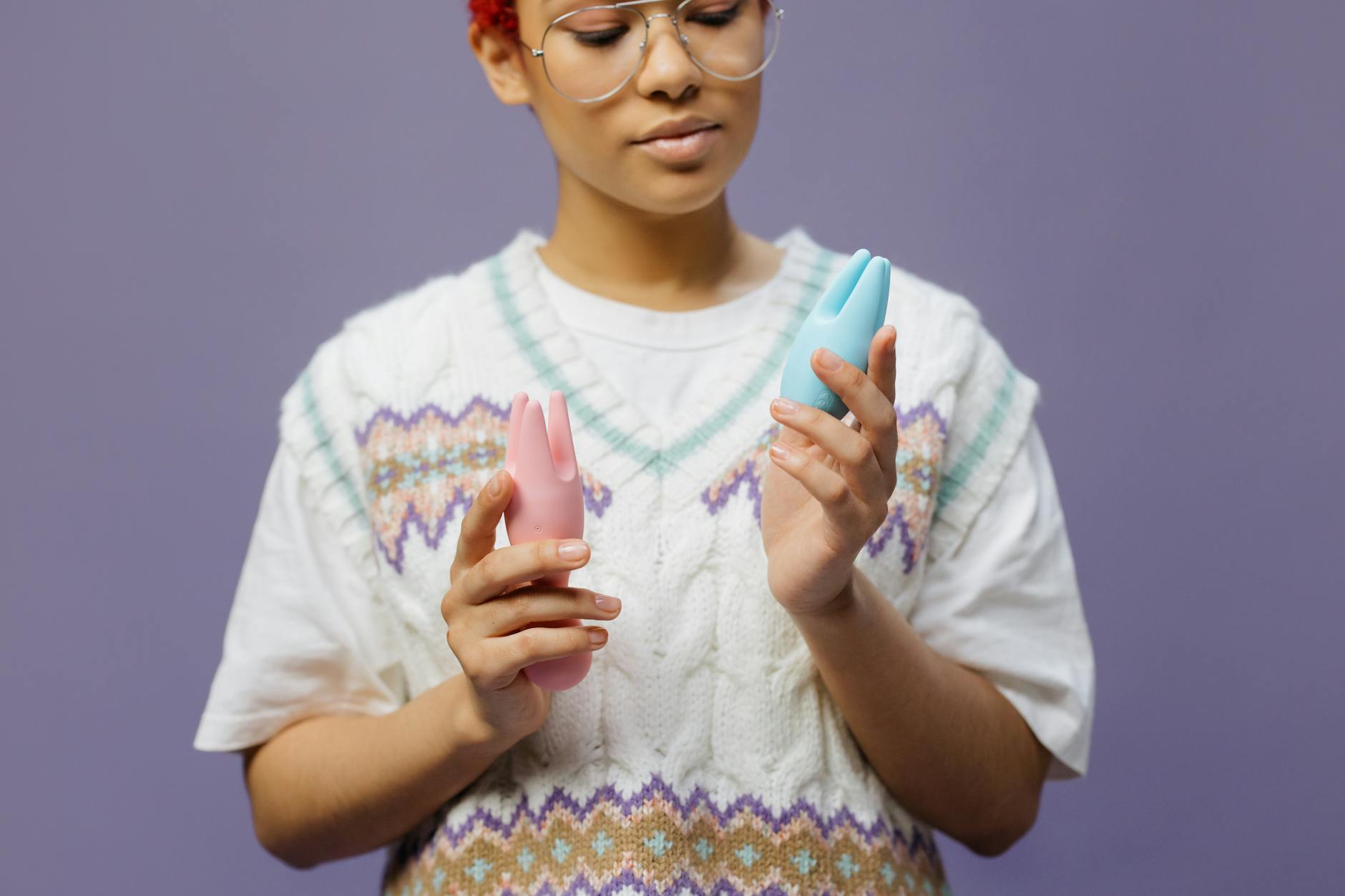
This is where a lemon clitoral vibrator becomes genuinely useful. Not as a magic fix, but as a tool to physically interrupt that nervous-system loop and remind your body what pleasure feels like.
The neuroscience of low desire under stress
When you're stressed, your body floods with cortisol and adrenaline. These chemicals shut down blood flow to your genitals and dial down your sensitivity to touch. Your brain prioritizes survival, not sensation. This is entirely normal and entirely reversible.
Here's what lemon vibrators do differently from your brain's perspective. The rhythmic suction stimulation activates the parasympathetic nervous system. That's the system responsible for rest, recovery, and yes, arousal. It's the opposite of the stress response.
When you use a lemon suction vibrator, you're not forcing pleasure. You're signaling to your nervous system that it's safe to focus on sensation. That shift from survival mode to pleasure mode is where desire comes back online.
Why lemon vibrators work better than willpower
You cannot think your way out of low desire. Willpower doesn't work because desire isn't a choice. It's a physiological response. And right now, your physiology is dysregulated.
A lemon clitoral vibrator bypasses willpower entirely. It works on the nervous system directly. The suction creates a consistent, predictable pattern of stimulation that your body recognizes as pleasurable without requiring you to manufacture attraction or mood.
Many of my clients report that the first time they feel genuine sensation again after months of numbness is with a lemon vibrator on low settings. That's not random. That's because the suction is delivering stimulation in a way that reaches the deepest nerve pathways even when everything else feels numb.
Starting when you don't feel like it
This is the hardest part. When desire is low, the thought of using any tool feels forced and artificial. Your brain talks you out of it.
So don't start with desire. Start with curiosity. Reframe it completely. Not "I should be having pleasure" but "I'm noticing what happens when I give my body 10 minutes of undivided attention."
Set aside a time when you genuinely have privacy and zero distractions. Not "tonight when I might have energy." Pick a specific day. Sunday morning. Wednesday lunch. Make it a non-negotiable appointment with yourself, the same way you'd schedule a doctor's appointment.
When you sit down, no pressure to feel anything. Your job is observation, not performance. Use the lemon vibrator on the lowest setting. Let it run for 2-3 minutes without expectation. Notice what your body is doing. Notice where sensation appears, where it doesn't, where it feels good or neutral or strange.
That's it. That's the whole protocol when desire is low.
The role of lube when motivation is missing
Water-based lubricant becomes more important, not less, when you're starting from a place of low desire. Here's why.
When you're stressed, your natural lubrication often decreases. Thinner tissue plus friction can feel uncomfortable, which your brain immediately flags as "nope, not doing this." Even one uncomfortable session can reinforce the avoidance loop.
Lube removes that friction barrier. It lets sensation come through without discomfort getting in the way. That means your first few sessions are more likely to feel neutral or pleasurable instead of uncomfortable, which makes you actually want to come back.
Use enough that you don't have to think about it. Reapply if you notice friction. The goal is so much sensation that the mechanics disappear entirely.
Rebuilding the desire pathway
Desire isn't constant. It's cyclical and contextual. Midlife stress has broken the cycle temporarily. Your job is to rebuild it through repetition.
Use the lemon vibrator every 3-4 days, same time, same place. Not because it's a habit you should force, but because your nervous system learns through repetition. After about 10-14 sessions, something shifts. Your body starts anticipating it. You might actually feel a little spark the day before. That spark is desire waking up.
Don't judge the quality of sensation in these early sessions. Some will feel amazing. Some will feel meh. That's completely normal. You're rewiring a pathway that stress shut down. It doesn't happen in a straight line.
Many clients report that after 3-4 weeks of gentle, pressure-free use, their desire for partnered sex or other forms of stimulation starts to return naturally. You're not forcing it. You're removing the block.
When desire stays low and that's a signal
Here's something I always tell people. If you're using a lemon clitoral vibrator consistently, you have privacy, there's zero pressure, and you still feel completely numb after 6-8 weeks, that's worth talking to someone about.
Low desire can be a sign of depression. It can signal a relationship issue that needs conversation. It can indicate a medical condition like thyroid dysfunction. The point is, sometimes numbness isn't stress. Sometimes it's pointing at something bigger.
A good therapist or doctor can help you figure out if this is normal stress recovery or if something else is happening. There's no shame in asking. In fact, asking is how you actually resolve it.
The partner conversation
If you're in a relationship, your partner probably knows something's shifted. Avoidance of intimacy sends a signal, even when it's not intentional.
Here's the conversation that actually works. Not "I'm sorry I don't want sex" but "My stress has shut down my desire, and I'm working on bringing it back online. I'm using some specific tools, and I need you to know this isn't about you or about our relationship. It's about my nervous system being stuck. Here's what would actually help."
That honesty does two things. It removes the shame you might be carrying. And it gives your partner something concrete to understand instead of them internalizing your low desire as rejection.
You can also invite your partner into the process eventually, if that feels right. But not at the start. The first priority is you reconnecting with your own sensation. That's the foundation.
The permission piece
Somewhere along the way, usually in midlife, you stopped believing you deserved pleasure just for the sake of it. You had to earn it. It had to be with a partner. It had to lead somewhere. It had to be good.
Low desire often lives in that judgment. So part of rebuilding is giving yourself explicit permission to touch your own body for no other reason than sensation. Not for performance. Not to prove anything. Not to fix the relationship or save your marriage. Just because your nervous system needs to remember what good feels like.
That permission is radical. And it changes everything.
Frequently Asked Questions
How long does it take to feel desire again after stress with a lemon vibrator?
Most people notice something shift between 3-6 weeks of consistent, pressure-free use. Some feel it sooner. Some take longer. The timeline depends on how long the stress has been present and what else is going on in your life and body. The key is consistency without judgment. You're rewiring a nervous-system response, not taking a pill.
Can I use a lemon vibrator if I'm not interested in pleasure right now?
Absolutely. In fact, that's exactly when it's most useful. You don't need to be interested. You just need to be willing to try. Reframe it as data collection. You're not looking for pleasure. You're looking for sensation. That removes the pressure that often keeps low desire locked in place.
What settings should I use on a lemon clitoral vibrator when desire is low?
Start on the lowest setting available. The goal isn't intensity. It's consistency and safety. Lower settings let your nervous system gradually reregulate without overwhelming it. You can increase intensity later, once sensation returns. Right now, gentle and steady beats strong and infrequent.
Is it normal to feel nothing the first time I use a lemon vibrator when stressed?
Completely normal. Stress numbs sensation. That numbness doesn't mean the vibrator isn't working or that something's wrong with you. It means your nervous system needs time to remember how to register pleasure. Keep going. Sensation usually comes back within a few sessions.
Should I tell my partner I'm using a lemon sexual toy to rebuild desire?
That depends on your relationship. If you're in a committed partnership and you share physical space, honesty usually helps. You don't need to give a play-by-play. But something like "I'm working on reconnecting with my body" or "I'm rebuilding my desire with some specific tools" opens the conversation and removes secrecy. Secrecy is what makes it feel shameful.
Can stress kill desire permanently?
No. Desire is hardwired. Stress can muffle it, sometimes for months. But it doesn't erase it. The pathway is still there. You're just temporarily unable to access it. That's the whole point of using tools like a lemon vibrator. You're not creating new desire. You're removing the interference so the desire that's always been there can surface again.
The real work is nervous-system reset
Let me be clear about something. A lemon vibrator isn't fixing low desire by itself. It's a tool for your nervous system to downshift from survival mode back into rest-and-pleasure mode. But the real work is the rest of your life.
You might also need to address what's actually stressing you. That could mean conversations with your partner, setting work boundaries, finding a therapist, moving your body more, sleeping better. A lemon clitoral vibrator is part of the solution, not the whole solution.
But it's a specific, practical, evidence-based part. It works. And sometimes having one thing that actually works is what gives you momentum to address the bigger picture.
Desire doesn't die. It pauses. And then it comes back. You just have to give it the conditions to return.