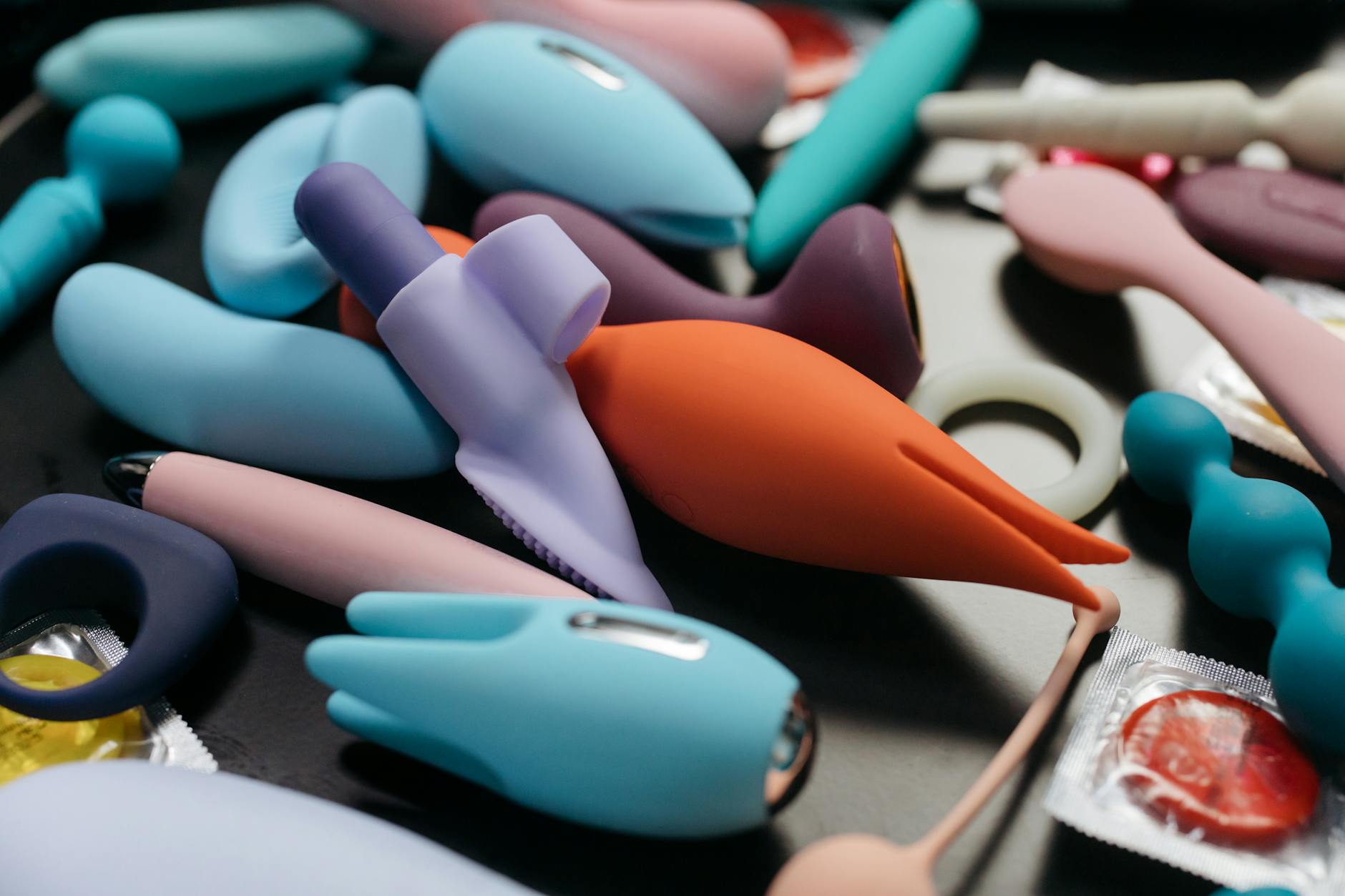
Here's the thing about introducing toys to someone new.
Most people think it has to be a whole production. A conversation that happens fully clothed in the kitchen, complete with reassurances and backstory. But here's what I've learned from working with couples: the best introductions feel less like a negotiation and more like a natural next step.
A lemon clitoral vibrator isn't a flag that something's wrong with your sex life. It's a tool that can make what's already working feel even better. And when you approach it that way, your partner usually does too.
The timing actually matters more than the script.
Don't bring up vibrators when either of you is stressed, tired, or in a weird mood about something else. The conversation will get tangled up in unrelated stuff. Same rule applies if you're in the early weeks where everything still feels fragile.
Better timing: after sex when you're both relaxed and there's no performance pressure hanging in the air. Or casually, weeks into dating, when intimacy already feels easy. The goal is to avoid making it feel like a crisis intervention.
One more timing rule: don't introduce it mid-session the first time. That's not a conversation. That's a surprise. Have the words out of the way first so when the moment comes, it's not jarring.
The actual opener (keep it simple).
Forget the speeches. Try something like: "I've got something I like using that could feel good for us." Or: "There's a toy I've been wanting to try with someone I'm with. Would you be open to that?"
Notice what's not happening here: you're not explaining why you need it. You're not apologizing. You're not making it about what he or she can't do. You're just naming a thing you want and asking if they're curious.
If they ask what it is, say it simply: "It's a clitoral vibrator. Suction-based. The sensation is different from anything a hand or mouth can do." If they ask why, you can say: "I like how it feels" or "It gives me a different kind of orgasm." Both are true and both are complete sentences.
What to do if they seem hesitant.
Some people have weird feelings about toys on first introduction. That's okay. It doesn't mean they'll stay hesitant. What matters is how you handle it.
If they say "I don't know" or "That's weird," resist the urge to convince them. Instead, pause. Say something like: "That's fair. No pressure. Just wanted to see if you'd be interested." Then actually let it go for a bit. Don't bring it up again for at least a week.
What you've done here is signal that you're serious about your pleasure, not desperate for permission. That shift in dynamic often makes people curious when they weren't before.
If they say yes but seem nervous, reassure them on one thing only: "Using this doesn't change how I feel about you or how I like being with you. It's just something that feels good." Stop there. Don't over-explain.
The first time using it together.
Start with clothes on or mostly on. This removes the pressure to have a perfect orgasm or perform. You're just introducing the sensation without the weight of trying to come.
Let them hand it to you first. You use it on yourself while they watch. This serves two purposes: they get to see what it does and how you respond, and you stay in control of the sensation and pacing. There's nothing vulnerable about that. It's actually the opposite.
Once you've used it solo for a moment, they can try it on you if they want. Guide their hand. Tell them what feels good. The lemon vibrator's suction mechanism means lighter contact often feels better than heavier pressure, so let them know that upfront.
Some partners want to use it during sex. Some want to use it to warm you up. Some just like watching. All of these are fine. There's no script for what comes next.
The conversation beneath the conversation.
When you're introducing a vibrator, you're actually doing something bigger: you're saying "my pleasure matters" and "I'm not embarrassed about what feels good." Your partner will pick up on that tone.
Some people find it incredibly hot. Some people need time to adjust. Neither means something's wrong with them or with you.
If they're resistant and stay resistant, that tells you something about how they see your sexuality. Not everyone is equipped for that conversation, and that's a compatibility thing worth understanding early on.
But most people, when they see you matter-of-fact about your own pleasure, start to relax. They realize it's not a referendum on them. It's just a thing that feels good.
Making it feel like part of your sex life, not a special event.
The fastest way to normalize toy use is to use it regularly without fanfare. Not every time. But often enough that it becomes background noise, not a big production.
Keep the lemon vibrator accessible. Not hidden in a drawer under other things. Somewhere it's easy to grab. The more visible it is, the more normal it becomes.
After a few times, neither of you will think twice about it. It'll just be another thing you do sometimes. And that's when you know the introduction worked.
What if things get awkward anyway?
Talk about it directly. "That felt off" or "I was in my head" is a complete sentence. You don't need to fix it immediately. Sometimes the second or third time is easier than the first.
If the awkwardness is about him or her, ask what would help. "What would make you feel better about this?" Some people want to start with a different scenario. Some want more time. Some want to talk more about it first.
The point is: awkwardness in the moment doesn't mean the whole thing was a mistake. It usually just means you're both adjusting to something new. That's normal.
People also ask.
How soon in a relationship should you introduce toys?
There's no timeline, but generally waiting until you've had good sex at least a few times makes sense. That way you're both comfortable with each other's bodies and preferences. Early dating is too high-pressure. Months in is usually easier than weeks in.
What if your partner suggests a lemon vibrator first?
Say yes. Seriously. This is actually the easiest scenario because there's no need to convince anyone or manage their feelings. Just let them lead and enjoy it.
Can using a lemon vibrator with your partner hurt the relationship?
No. What can hurt a relationship is shame, secrecy, or resentment about pleasure. Toys don't create those things. But they can expose that they're already there. If a vibrator becomes a wedge, the vibrator didn't cause the problem. It just revealed one.
What if you use a toy with one partner and want to with another?
You get to make that choice each time. You're not obligated to introduce toys to every partner. Some relationships benefit from them. Some don't. You decide what feels right for each person you're with.
Is a suction vibrator like the Lem a good choice for couples?
Yes. The sensation is different enough from penetration that it doesn't feel like a replacement. Partners often find it easier to be comfortable with because it's clearly doing something different, not "instead of." The fact that you control the intensity also means you can keep communication easy while using it.
What if your partner wants to use it solo?
That's fine. You don't have to be involved every time. Someone might like using a toy on their own for a completely different reason than they use it with you. Both versions can coexist without competing.
Introducing a lemon clitoral vibrator to a new partner is genuinely simpler than most people make it. You're not asking for permission. You're not apologizing. You're just saying "here's something I like" and seeing if they're curious. Most people are. And when they are, the conversation stops being a thing and becomes just another part of your sex life together. That's when you know it worked.