Here's what chronic stress actually does to your body
Your nervous system doesn't distinguish between a work deadline, a relationship argument, or a health scare. Stress is stress. When you live in that activated state for weeks or months, your body adapts. Touch stops feeling good. It starts feeling intrusive. Your skin crawls. The person you love reaches for your hand and you flinch.
That's not a personal rejection. That's your sympathetic nervous system running the show, and it's telling your body that contact is a threat.
The neurology of stress-numbed touch
When you're stressed, your brain deprioritizes pleasure pathways. Cortisol and adrenaline flood your system, which dampens dopamine and serotonin. Your vagus nerve, which governs the parasympathetic response that allows pleasure, gets suppressed. The result: sensation feels muted, and touch can feel aggressive even when it's gentle.
This is especially true for people who experience touch as part of their identity. If you're someone who loves physical affection and suddenly recoils from it, the shame compounds the stress. You think something is wrong with you. Nothing is. Your nervous system is protecting you from what it perceives as threat.
What's useful to know: this is reversible. Your body can learn pleasure again.
Why a lemon vibrator works differently than human touch
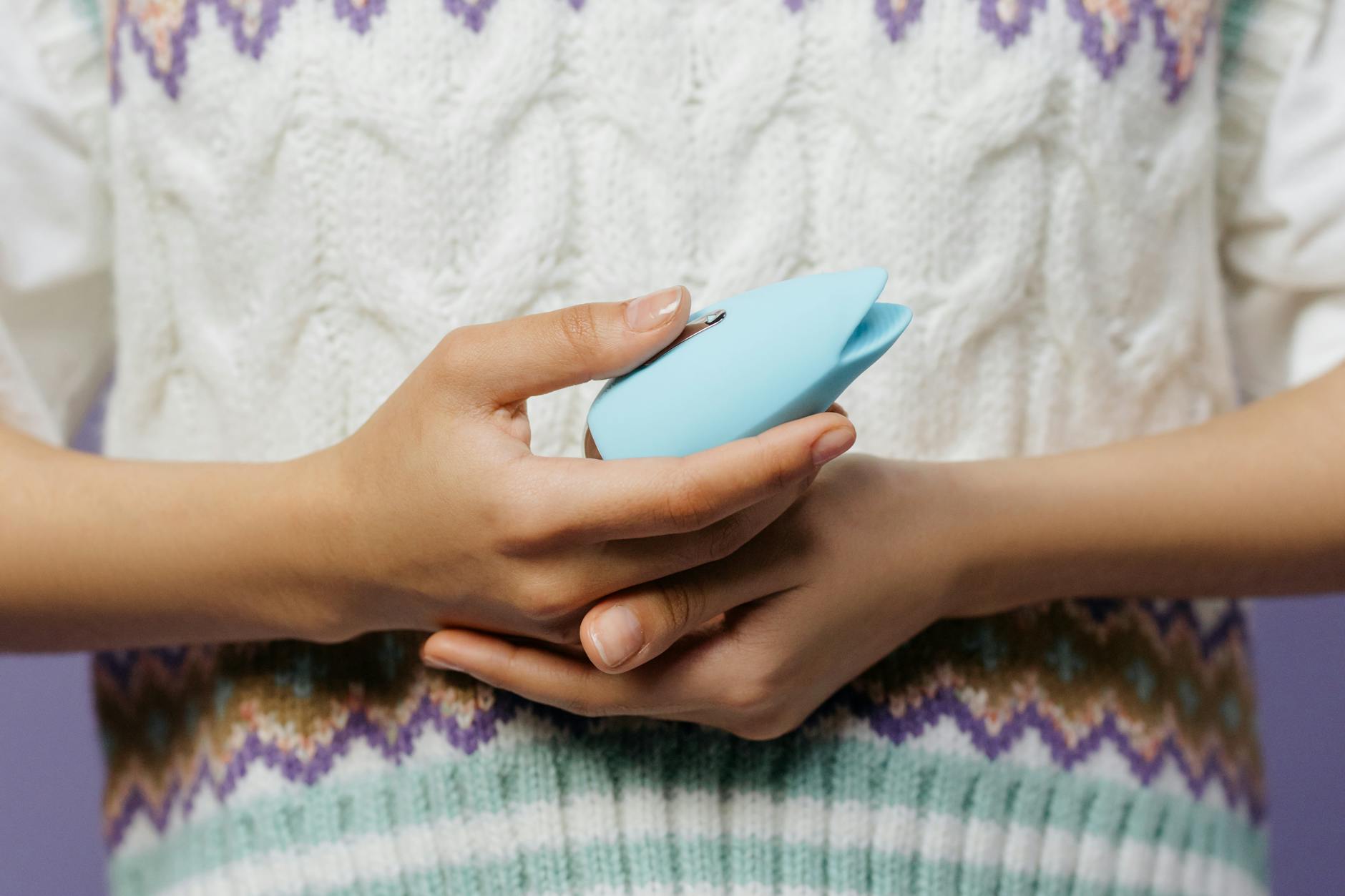
A clitoral vibrator like the Lemon vibrator is not the same as a partner's hand or mouth. It doesn't require you to manage someone else's expectations. It doesn't carry the emotional weight of intimacy. It's predictable. It doesn't change pressure based on what it thinks you want.
For someone whose nervous system is in overdrive, that predictability is medicinal. The Lemon vibrator's consistent pattern gives your brain something safe to anchor to. There's no surprise. No negotiation. No reading facial expressions or worrying about reciprocation.
Also: air-suction stimulation (the way lemon clitoral vibrators work) activates different nerve pathways than direct contact does. It's a gentler entry point physiologically. The sensation is concentrated but diffuse, not sharp or pointed.
Starting with your window of tolerance
In trauma-informed therapy, we talk about your "window of tolerance." When you're stressed, that window shrinks. You can only tolerate a narrow band of sensation before you flip into fight-or-flight or complete shutdown.
Before you even touch a lemon vibrator, establish where your window currently is. Here's how:
Spend five minutes in a quiet space noticing basic sensation. Can you feel the fabric of your clothes? Can you notice the temperature of your skin without it feeling invasive? Where on your body can you tolerate light touch, and where does touch feel wrong?
That map is your starting point. A good lemon vibrator respects that. If you can tolerate sensation on your upper inner thigh but not your vulva yet, that's the entry point. Build from there.
The actual protocol for using a clitoral vibrator when overwhelmed
Day 1 through 3: Vibrator off. Just hold it. Notice weight, texture, temperature. Let your nervous system get curious instead of defensive. Five minutes is enough.
Day 4 through 6: Turn it on at the lowest setting. Place it near your body but not on it. On your thigh. Your hip. Your forearm. Feel the vibration through fabric. The point isn't arousal yet. It's desensitization in the best way. Your brain learns: vibration equals safe.
Day 7 onward: If it feels right, move to external contact. Start with the lowest intensity. Most lemon vibrators have 3 to 5 settings. Stay on setting 1 for a week or longer. Your clitoris doesn't need intensity when your nervous system is this activated. It needs consistency and patience.
This timeline isn't rigid. Some people move through it in two weeks. Others take two months. The goal is never arousal. It's recalibration. When you use a lemon vibrator this way, you're teaching your nervous system that sensation isn't dangerous.
What you'll notice as you rewire
First: a gradual lessening of the flinch response. Touch starts to feel neutral instead of invasive. That's huge.
Then: moments of actual sensation. Not pleasure yet. Just feeling. A tingle. A subtle warmth. These micro-moments matter. Your nervous system is learning that it's safe to feel.
Finally: curiosity. You'll notice you want to explore texture, pressure, rhythm. You start to play instead of perform. That's the sign that your window of tolerance is expanding.
Many people also find that lemon clitoral vibrators help with what I call "touch reentry." Once you've rebuilt sensation solo, partnered touch becomes less triggering. You're not starting from zero anymore. You've proven to yourself that sensation is safe.
The role of stress management alongside pleasure
Here's the thing nobody tells you: a vibrator can't fix chronic stress. It can help you reclaim pleasure while you address the underlying tension. These work together, not instead of each other.
If you're using a lemon vibrator to rebuild sensation but you're still in the same high-stress situation, you're swimming upstream. The recalibration will still happen, but slower.
What helps: basic nervous system regulation. Deep breathing before and after. Consistent sleep. Movement. Sometimes therapy. A lemon sexual toy is part of the healing. It's not the whole thing.
When you're rebuilding with a partner
If you're in a relationship and stress has killed your desire for partnered touch, communicate early. Tell them: I'm rebuilding my capacity for sensation. I'm using this time solo first. That's not rejection of you. It's preparation.
Many partners actually feel relieved. They were worried they were doing something wrong. Knowing there's a concrete reason for the distance, and a structured approach to closing it, shifts the dynamic from shame to teamwork.
After you've rebuilt solo sensation for a few weeks, consider rebuilding intimacy after relationship conflict with partner touch. Start exactly where you started solo. Predictability. Low pressure. Consistency.
The permission piece
Honestly, the biggest barrier isn't physiological. It's mental. You're stressed, your body doesn't want touch, and somehow that feels like failure. It's not. It's your nervous system doing exactly what it's supposed to do: protect you when you're threatened.
Using a lemon vibrator when you're overwhelmed isn't about forcing pleasure. It's about giving yourself permission to rebuild it slowly, on your terms, with a tool that doesn't judge.
Your body deserves to feel good again. That happens through patience and consistency, not willpower.
FAQ
Can I use a lemon vibrator if I'm too stressed to even want to touch myself?
Absolutely. In fact, that's when it's most useful. Start with the vibrator off, just as an object. Let your nervous system acclimate before any expectation of pleasure enters the picture. Some people find it grounding to hold it while meditating or listening to music. There's no rush to turn it on.
How long before stress-numbed sensation comes back?
It depends on the intensity and duration of your stress. If you're in acute stress (a few weeks), you might notice shifts in two to four weeks of consistent use. If it's chronic (months or years), expect three to six months. The key is consistency, not intensity. Using your lemon vibrator twice a week for six months beats using it intensely for two weeks and stopping.
Is it normal for touch to feel painful when I'm stressed?
Yes. When your nervous system is in high alert, even gentle touch can register as sharp or painful. This is called allodynia, and it's a real physiological response, not psychosomatic. A lemon vibrator can help because it's a controlled stimulus you can adjust. If pain persists beyond the initial stress period, check in with a doctor to rule out other causes.
Can my partner use a lemon vibrator on me before I'm ready for their hand?
Maybe, but only if you're very clear about expectations first. Some people find partnered vibrator use feels safer than touch because it's mediated by the device. Others find it more intimate and triggering. Start solo. Once you've rebuilt sensation independently, you'll have better clarity on what partnered use feels like for you.
What if I use the lemon vibrator and still feel nothing?
That's okay. Numbing from stress can be stubborn. If you're not feeling anything after two to three weeks of consistent use, you might benefit from adding another layer: guided meditation, therapy, or somatic work alongside the vibrator. Sometimes the nervous system needs multiple approaches to reset.
Do I need to reach orgasm for this to work?
No. Actually, making orgasm the goal defeats the point. You're retraining your nervous system to accept sensation as safe and pleasurable, not chasing the finish line. Some people orgasm easily once they rebuild. Others take longer. The actual goal is recalibration, not performance.