Let's talk about the gap
There's a difference between "I haven't had sex in a while" and "I don't know if I remember how to want it anymore." After months or years away from sexual activity, the nervous system doesn't just pick up where it left off. Your body's arousal pathways get quiet. Your brain rewires around the absence. And the pressure to "get back to normal" often makes everything worse, not better.
Here's the thing: reentry doesn't happen in one conversation or one evening. It's a slow reclamation of permission, sensation, and confidence. And it works best with a tool designed for ease, not force.
Why the gap happened matters less than what it teaches you
You might have stopped having sex because of grief, illness, relationship rupture, trauma, depression, medication side effects, or simply the weight of life getting in the way. Whatever the reason, your body held that absence. It learned to contract instead of expand. That's not a failure. That's exactly what bodies are supposed to do when safety feels uncertain.
The neuroscience is straightforward: arousal requires a nervous system that feels secure enough to let go of vigilance. If you've spent a year or three in survival mode, sexual arousal isn't your brain's priority. Even if intellectually you want to reconnect with pleasure, your nervous system might not believe it's safe yet. That mismatch isn't shameful. It's information.
What changes that signal? Gentleness. Consistency. Tools that work with your nervous system instead of demanding it speed up.
Why lemon vibrators work differently after a long break
Most vibrators rely on direct friction and penetration to build sensation. After a break, that can feel too intense, too demanding, or too connected to performance. Your tissues might be more sensitive. Your arousal pathway might be sluggish. Your confidence might be fragile.
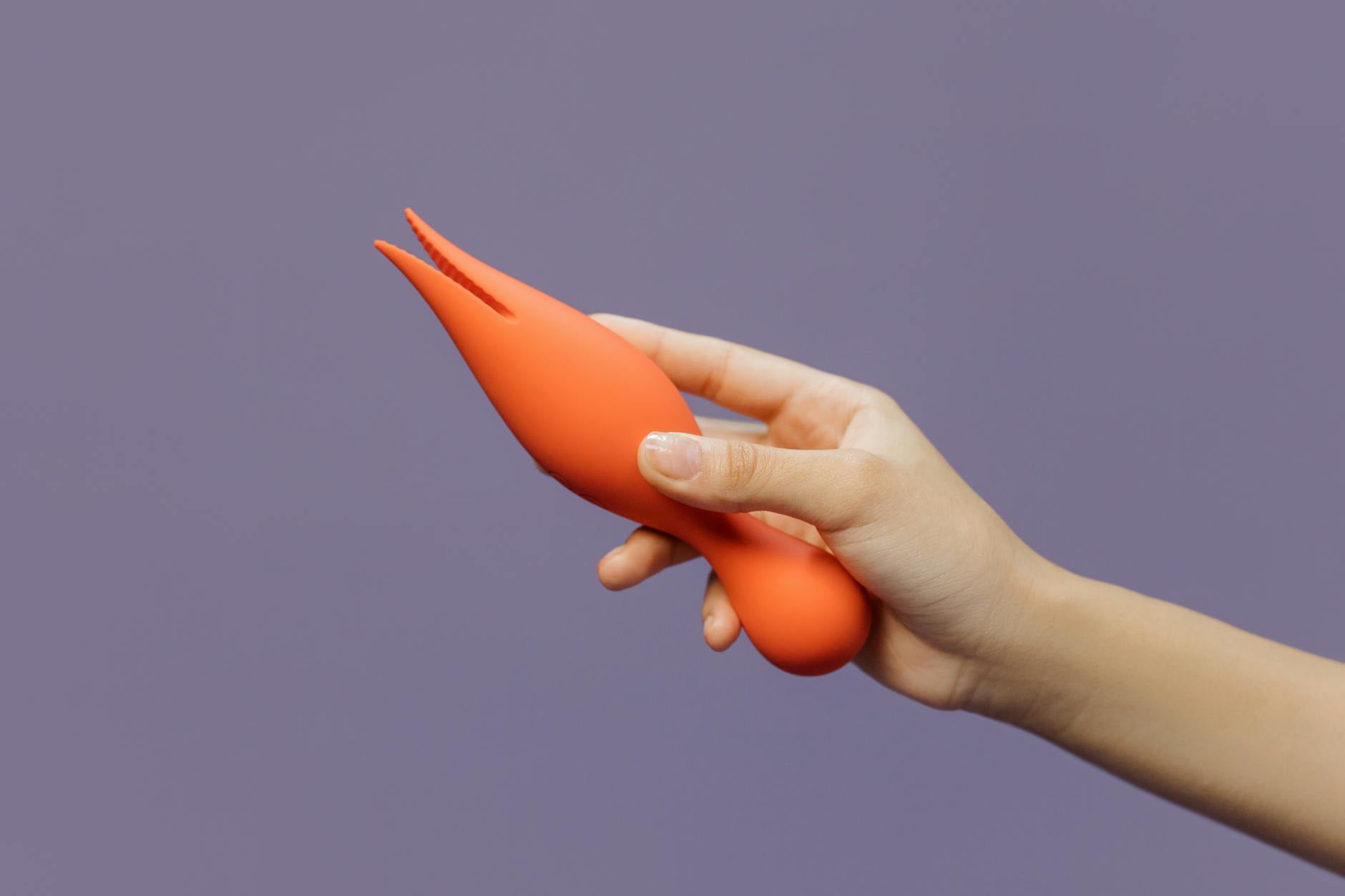
Lem vibrators, which use gentle suction technology rather than intense buzzing or thrusting, bypass all three problems. The sensation builds through soft, rhythmic pressure that doesn't require you to "perform" arousal or engage in rapid escalation. You can start at pattern one and sit there for 20 minutes if you need to. No judgment. No pressure.
Suction also creates a more localized, focused sensation than traditional vibration. Many people returning to pleasure after a break report that this gentler approach feels less overwhelming and more reconnecting. You're not forcing your body into an old pattern. You're introducing a new sensation that feels safe.
The practical reentry roadmap
Week one: Solo exploration, zero pressure. Start alone. Use the Lem vibrator on the lowest setting for just 10-15 minutes with no goal of orgasm. Let your nervous system remember what pleasure feels like without the added pressure of partner performance or self-judgment. Notice what patterns feel good. Notice what makes you contract or tense.
Week two: Add curiosity. Extend sessions slightly. Try different patterns. See if orgasm comes naturally. If it doesn't, stop caring about it. Your nervous system is just remembering that pleasure is possible. That's enough.
Week three: Introduce partnership (if relevant). If you're partnered, this is when you might invite them to sit nearby while you use your lemon clitoral vibrator. Not to perform for them, but to gradually lower the shame barrier around your own pleasure. Many people returning to sex carry deep embarrassment about their bodies or desires after a gap. Slowly normalizing the presence of a partner helps dissolve that.
Week four and beyond: Intentional expansion. Once you've rebuilt your own arousal circuit, you can experiment with partner involvement, different settings, longer sessions, or new contexts. You're no longer relearning pleasure. You're actively choosing what you want.
The nervous system conversation you need to have
If you're partnered, the most important thing isn't technique. It's honesty about where your nervous system is. Tell your partner: "I need to go slow. That doesn't mean something's wrong. It means my body needs to remember that pleasure is safe."
Many people returning to sex after a gap feel deep shame or performance anxiety. A partner who understands this can create the exact environment you need: low pressure, high patience, genuine curiosity about what you're experiencing rather than focus on the outcome.
If your partner is pushing for faster progress or expressing frustration, that's feedback. It means you might need to renegotiate expectations or seek couples support. Your nervous system's timeline matters. It's not negotiable.
What blocks people most often
Three obstacles come up constantly: the belief that you should want it instantly (false), the expectation that your body will respond like it used to (impossible), and the shame that you've "lost" your sexuality (deeply untrue).
Your body hasn't forgotten pleasure. It's been protecting you. Reawakening it is a conversation, not a demand. A lemon vibrator is just a tool that makes that conversation feel safer and more manageable.
If you're also dealing with relationship stress that's been suppressing desire, that's a separate layer worth addressing. Sexual reentry works best when both the body and the relationship feel stable enough.
The timeline is yours, not anyone else's
Some people rebuild their arousal circuit in four weeks. Others need four months or longer. There's no "right" pace. What matters is consistency, gentleness, and genuine curiosity about your own body without judgment.
If pain appears, stop and consult a healthcare provider. If anxiety spikes, that's information too. Your body might be telling you that something else needs attention first. Listen to that.
One more thing: many people returning to sex after a gap worry about whether their partner will still find them attractive or whether they've changed too much. That's real. But your sexuality isn't fixed at the age you last had it. It evolves. You might discover you want things you didn't want before. You might find that orgasm feels different. You might realize you never actually enjoyed what you thought you were supposed to.
That's not loss. That's growth.
People also ask
How long does it typically take to feel comfortable with sexual pleasure again after a long break?
There's no standard timeline, but most people report significant shifts in comfort within 4-8 weeks of consistent, pressure-free exploration. The key is consistency, not intensity. Ten minutes three times a week rebuilds your nervous system's trust in pleasure better than sporadic longer sessions. If you're dealing with trauma or deep shame around sexuality, professional support alongside self-exploration often accelerates the process.
Is it normal to feel emotional or cry while using a vibrator after a long sexual break?
Completely normal. Your body might release stored grief, shame, or vulnerability as sensation returns. That's not a sign to stop. It's your nervous system processing the reawakening. If emotions come up, pause the vibrator, breathe, and let yourself feel whatever's there. Many people find that this emotional release is actually the beginning of genuine healing, not a sign of trouble.
Should I tell my partner I'm using a lemon vibrator during reentry, or keep it private?
That depends on your relationship's style and your own comfort. If you're partnered and working toward sexual reconnection together, transparency tends to build trust. You might say: "I'm rebuilding my confidence with this tool on my own. Once I feel more comfortable, I'd like us to explore together." If you're single, your solo exploration is entirely your own business. Either way, the Lem vibrator is about your own pleasure first, partnership second.
What if using a vibrator after a long break feels overwhelming or triggers anxiety?
Scaling back is the answer. Instead of starting with 10-15 minutes, try two minutes. Instead of using it weekly, use it every other week. You're building trust with your nervous system, not racing toward orgasm. If anxiety persists or you have a trauma history, working with a sex therapist or somatic practitioner alongside solo exploration often helps create safety.
Can I use a lemon vibrator if I'm nervous about my partner's reaction?
Yes, and that nervousness is worth examining. If your partner is judgmental about your sexuality or pleasure, that's a relationship dynamic that often needs attention separately from the vibrator itself. Many people find that rebuilding confidence after sexual shame requires solo exploration first, without anyone else's opinions in the room. Your pleasure is yours to claim. A supportive partner makes that easier, but it doesn't require permission.
Will a lemon clitoral vibrator help if medications I'm taking have reduced my arousal?
Partially. The Lem vibrator can help rebuild sensation and arousal capacity, but if medication side effects are significant, that conversation belongs with your prescriber too. Many medications affecting arousal have alternatives. In the meantime, the gentle suction approach of lemon vibrators often feels more effective than traditional vibration for people managing medication-related dulling of sensation.
The bottom line
Returning to sexual pleasure after a long break isn't about forcing your body back into old patterns. It's about creating new ones with patience, gentleness, and tools designed for ease. A lemon vibrator isn't a performance device. It's a confidence coach, a nervous system regulator, and an invitation to remember that pleasure is still available to you.
Your body hasn't forgotten. It's been waiting for you to feel safe enough to listen again. Start there.