Let's name what's actually happening
Pain during or after pleasure is not something you have to accept. It's also not a sign you're broken or that your body has permanently changed. What it usually means is that the tissue is inflamed, the nerve endings are overstimulated, or you're using a tool that works against your body rather than with it.
I work with people every week who've been told to just push through tenderness. They haven't. They've stopped exploring pleasure altogether. Then they get angry at themselves, and their partner gets confused. It's a completely avoidable spiral.
Here's what I'm going to walk you through: what causes physical tenderness during pleasure, how it differs from normal sensitivity, why traditional vibrators often make it worse, and exactly how to use a lemon vibrator and air-suction design to restart sensation safely.
Why your tissue might be tender right now
Tenderness during pleasure has multiple causes. Most of them are fixable in days or weeks, not months.
Friction damage. Traditional vibrators work through rapid oscillation. If tissue is already thin, dry, or inflamed, that friction creates micro-tears you might not feel in the moment but absolutely feel afterward. You wake up the next morning sore, and the instinct is to avoid trying again.
Hormonal dryness. Estrogen controls tissue thickness and lubrication. When it drops (menopause, certain medications, breastfeeding, some birth controls), the tissue becomes thinner and more fragile. Vibration that felt fine at 25 feels raw at 45. This is not weakness. It's biology.
Nerve inflammation. Vulvodynia, provoked vestibulodynia, and other pain conditions involve inflamed nerve endings. Vibration over inflamed tissue can feel like someone's rubbing your nerves with sandpaper. The problem isn't desire. The problem is the tool.
Overuse without recovery. Some people discover pleasure and go hard. Literally. Your clitoris has 8,000 nerve endings packed into a tiny space. It needs rest between sessions the same way your muscles need rest between workouts.
Post-inflammatory sensitivity. If you've had an infection, surgery, or recent inflammation (even mild), tissue sensitivity stays elevated for weeks afterward. Anything that irritates it feels ten times worse.
The key insight: tenderness is usually a sign that your current method isn't matching your current tissue state. Change the method, and the tenderness often disappears within days.
Why air-suction changes the equation
Here's where lemon vibrators and air-suction design actually matter physiologically.
Traditional vibrators use friction and direct pressure. They rub back and forth at high speed. Air-suction toys use gentle vacuum stimulation. The difference is not subtle when you're dealing with tender tissue.
Air-suction creates negative pressure around the clitoral head without direct friction. It stimulates the nerve endings through gentle pulling rather than rubbing. For someone with inflamed or thin tissue, this is the difference between pleasure and pain.
Why? Several reasons:
No friction means no micro-tears. Air-suction stimulates without abrading. If your tissue is already irritated, friction vibrators will make it worse. Suction vibrators let the area calm down while still providing sensation.
The intensity is distributed. Instead of concentrated pressure on a small point, suction spreads stimulation across the tissue. It's like the difference between someone poking you with one finger versus gently cupping your skin. Same nerve activation, completely different sensation.
You control the pressure. With a lemon vibrator, you set the suction level. You're not locked into a vibration pattern that's either too intense or not intense enough. You adjust in real time.
Tissue responds better. Over weeks of gentle suction use, many people find that tissue sensitivity actually improves. The gentle stimulation encourages blood flow and nerve recovery without triggering pain.
The practical reset: how to use a lemon vibrator when tissue is tender
If you're starting after pain or tenderness, here's the protocol.
Week one: exploration without insertion. Use your lemon vibrator on the lowest setting. Spend 10-15 minutes just getting to know how it feels. Don't aim for orgasm. Aim for data. Where does it feel good? Where does it feel raw? Does the pressure change how it feels? This isn't wasting time. This is how your nervous system recalibrates.
Lubrication matters more than you think. Even with suction, use water-based lubricant. It reduces any remaining friction and signals to your nervous system that this is a different experience than whatever caused the pain. Apply generously and reapply halfway through.
Start external only. Keep everything on the visible clitoral area. Don't move to internal play, to the vestibule, or to any area that felt tender before. Let external play rebuild trust in your own body first.
Intensity progression. Lemon vibrators typically have 3-5 intensity levels. Spend several sessions at level 1. Move to level 2 only when level 1 feels completely safe and actually pleasurable. This takes patience. It's worth it.
Timing matters. If you typically feel tenderness the next day, you were going too long or too intense. Shorter sessions (8-12 minutes) with lower intensity often feel better than one long session. Your tissue heals between sessions if you give it space.
Watch for patterns. If tenderness appears only at certain times of your cycle, or only when you're dehydrated, or only after stress, you've found your trigger. Adjust around it. If it's hormonal, you might need a topical estrogen cream from your doctor. That's not a failure. That's useful information.
When tenderness means you need external support
Not all tenderness is something you fix alone with better tools.
Persistent pain during pleasure warrants a pelvic floor physical therapist visit. These specialists are trained to identify where tension is coming from. Sometimes it's trigger points in the pelvic floor muscles. Sometimes it's scar tissue. Sometimes it's nerve pain. A PT can rule out what it's not.
If you've had surgery or significant inflammation, get clearance from your doctor first. I know that feels obvious. Many people skip this step because they're embarrassed. Don't. Telling your GP "I want to resume sexual pleasure but it's tender" is a completely standard conversation. They'll either say you're cleared, or they'll identify something that needs treatment first.
If pain appeared suddenly after starting new medication, call your prescriber. Certain drugs (SSRIs, antihistamines, some blood pressure meds) can cause tissue dryness or numbness. The solution might be a different drug, a lower dose, or a topical treatment. But you need to name it first.
If emotional trauma is connected to the pain, you likely need a trauma-informed sex therapist alongside the medical stuff. Pain during pleasure sometimes has a nervous system component. Your brain has learned that this area equals threat. A vibrator alone won't fix that. A skilled therapist can help your nervous system unlearn the threat response.
The timeline: when to expect improvement
Gentle, consistent use of a lemon vibrator usually changes things in 2-4 weeks.
You might notice within a few sessions that suction feels less scary than friction did. You might notice after a week that the next-day soreness is gone. After 2-3 weeks, many people report that sensitivity actually improves. Tissue gets more robust from gentle, consistent stimulation.
But here's the real timeline: it takes about as long to rebuild trust in your body as it took to lose it. If you've been avoiding pleasure for months because of pain, 4 weeks of gentle exploration is still faster than continuing to avoid. Your nervous system needs time to learn that this is safe again.
People also ask
Can I use a regular vibrator on low speed instead of getting a lemon vibrator?
Not really, if tissue is actually tender. Low speed on a friction vibrator is still friction. You're just doing it slowly. It's like asking if you can gently rub sandpaper on a sunburn. The mechanism is still causing irritation. Air-suction is a different mechanism entirely. If you're dealing with active tenderness, a lemon vibrator isn't a luxury upgrade. It's the tool that actually works for your current situation.
How do I know if it's tenderness from the vibrator versus something that needs a doctor?
If the pain appears during or immediately after use with a vibrator, and it goes away within a few hours or overnight, it's likely irritation from the tool. If it appears without any stimulus, or if it doesn't improve within 24 hours, or if it gets worse over multiple days, see a doctor. Also see a doctor if there's discharge, visible redness that doesn't fade, or pain that radiates. Tenderness during use is usually fixable with better tools. Pain that persists independently usually needs medical attention.
Will my tissue ever be as sensitive as it was before?
Maybe more sensitive, actually. Many people find that after they stop using friction vibrators and switch to air-suction, their sensitivity improves. The tissue is less irritated. The nerve endings have space to recover. And because you're using a gentler tool, you can do longer sessions without pain, which gives your nervous system more data about what feels good. So no, not just back to baseline. Potentially better.
What if I have vaginismus and tenderness at the same time?
They often go together because tension makes tissue more sensitive. A lemon vibrator can help, but you might also need a pelvic floor physical therapist. Gentle air-suction over external tissue can help your nervous system learn that this area doesn't have to be defended. But if the tightness is coming from trauma or nervous system protection, that usually needs skilled support to address. You don't have to choose between the two. Both together works better.
Can I use numbing lube to make it less painful?
I'd skip it. Numbing lube masks the pain signal without addressing what's causing it. Your body is telling you something. Pain is information. Using a numbing agent means you can't feel when you've crossed from pleasant sensation into actual harm. It's like putting tape over a check-engine light instead of fixing the engine. Better to use a lemon vibrator, which doesn't cause the pain in the first place, and actually listen to what your body is saying.
How do I talk to my partner about needing a gentler approach?
Directly. Not "I think I might be broken" or "Maybe I'm not into this anymore." Say: "My tissue has been tender, and I've realized friction isn't working for me right now. I want to explore with a different tool and approach. This is about what works for my body right now, not about you or us." Then show them what air-suction feels like if they're interested. Most partners are relieved to have a solution instead of confusion.
The truth underneath
Tenderness during pleasure almost always has a straightforward cause and a straightforward fix. The reason people suffer with it is usually that they're embarrassed to name it, or they've been told their body is the problem when actually the tool or approach is the problem.
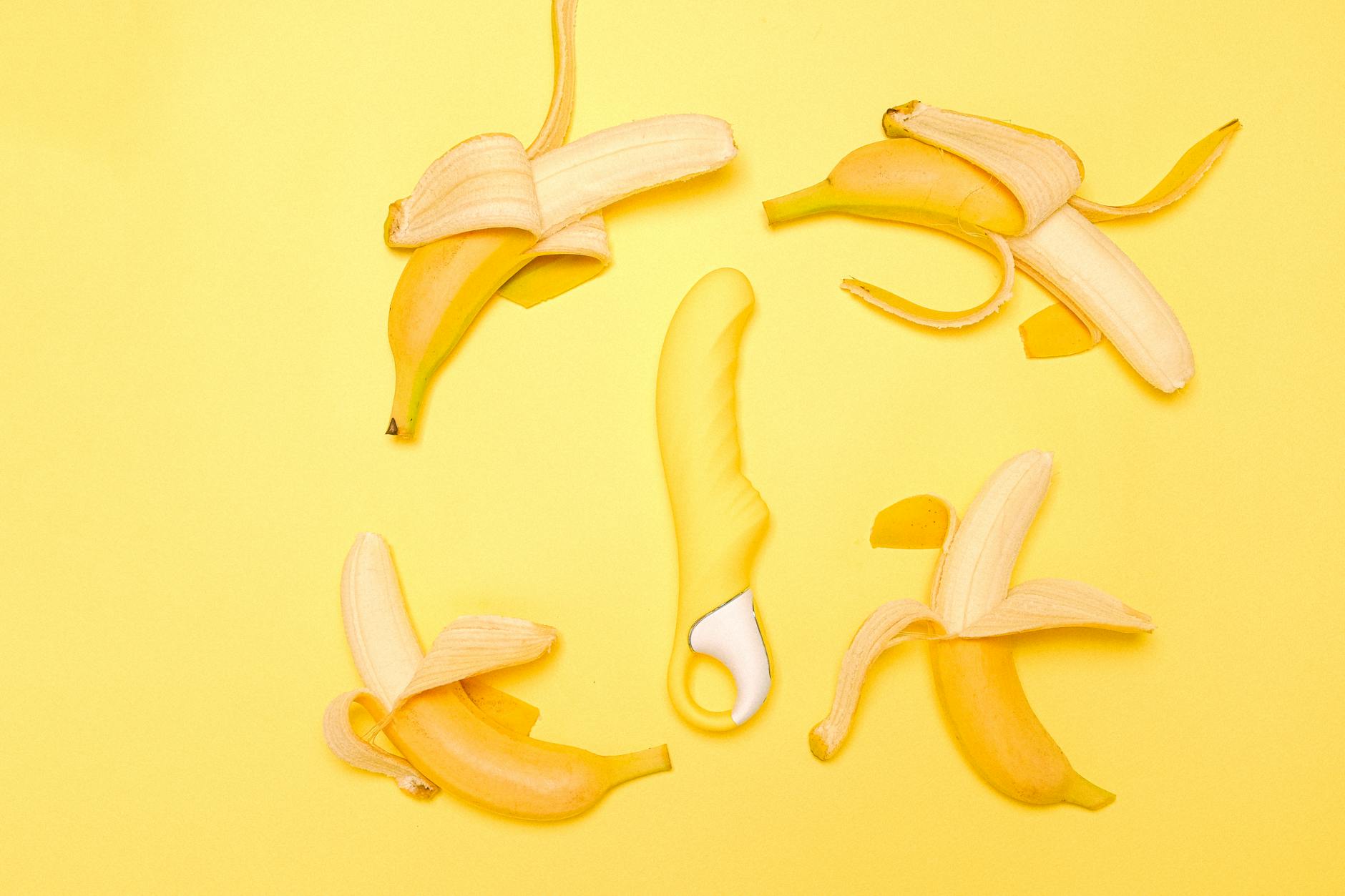
Your lemon vibrator isn't a workaround. It's the right tool for tender tissue. Treating your body with gentleness isn't settling. It's how pleasure actually works when you're paying attention.
If you're ready to try a different approach, we're here. And if you have questions about what might be causing the tenderness, or you need help talking to a doctor about it, that's what our contact page is for.
Your pleasure is supposed to feel good. Not someday. Now.