Let's start with what you're noticing
Orgasms used to feel electric. Now they feel muted, like someone turned down the volume on pleasure. You're not broken, and you're definitely not alone. This shift happens to plenty of people, and the reasons range from completely predictable to surprisingly fixable.
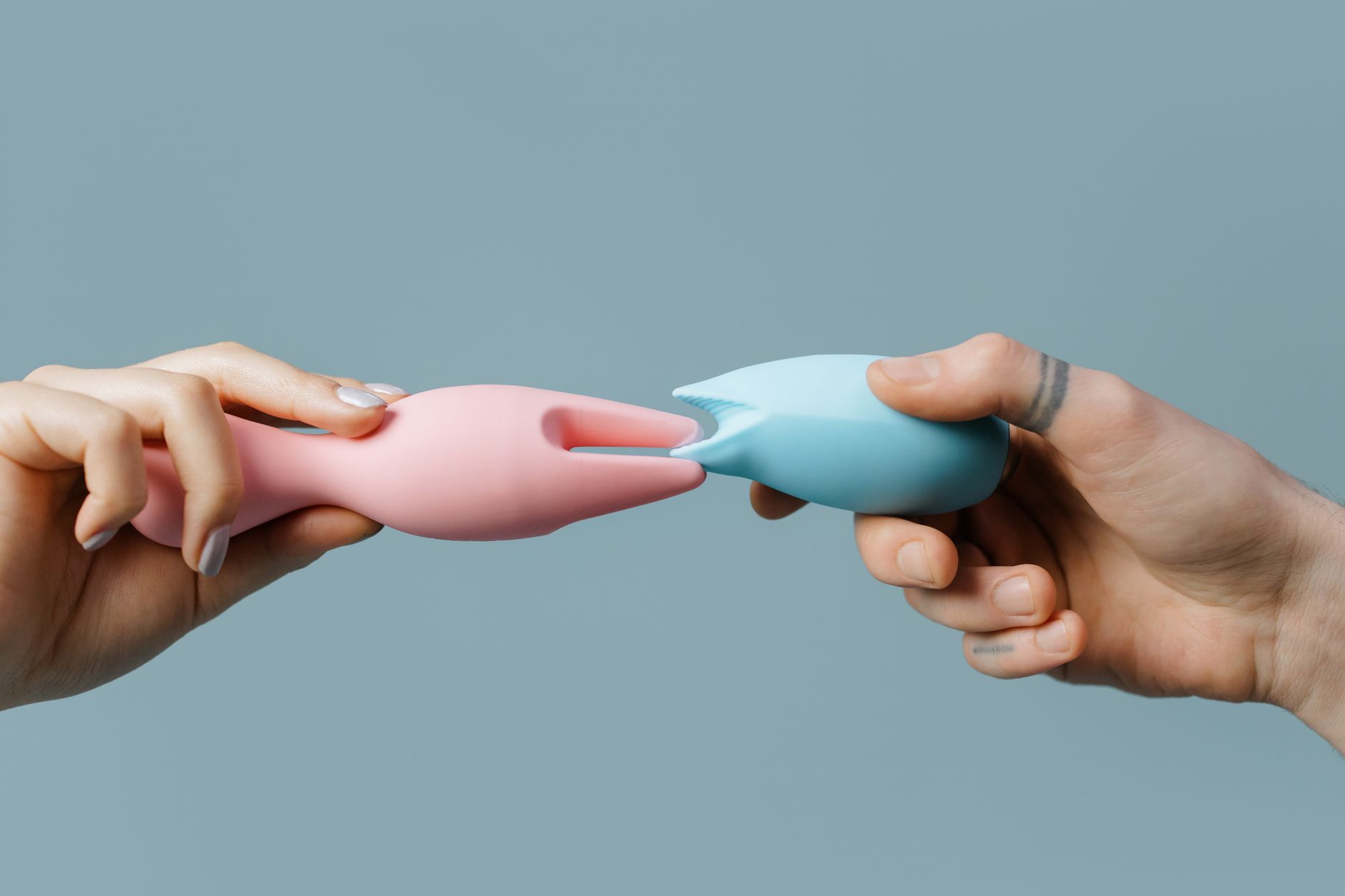
Here's the thing: orgasm intensity isn't a one-way street toward decline. It changes based on what's happening in your body, your nervous system, your stress levels, and yes, your hormones. The good news is that a lemon vibrator, specifically a lemon clitoral vibrator like the Lem, can help you reconnect with sensation in ways that manual stimulation or standard vibrators often can't.
Why orgasm intensity changes
Orgasm feels like a full-body event one year and then more like a pleasant muscle twitch the next. That's not your imagination, and it's not failure. A few things cause this.
Stress and nervous system dysregulation. Your nervous system has two main settings: sympathetic (fight-or-flight) and parasympathetic (rest-and-digest). Orgasm lives in the parasympathetic system. When you're chronically stressed, your body spends more time in sympathetic activation. That means less blood flow to your genitals, less nerve sensitivity, and less capacity for that full-spectrum pleasure response.
Hormonal shifts. Progesterone naturally rises in the luteal phase of your cycle and can dampen arousal. If you've started hormonal contraception, changed doses, or are moving through perimenopause or menopause, orgasm intensity often flattens. This isn't permanent, but it's real.
Desensitization from repetitive stimulation. If you've been using the same technique or the same type of toy for years, your nerve endings adapt. They've learned the pattern. Your clitoris is incredibly smart at habituation. Novelty, different sensations, and different types of stimulation can rewaken that responsiveness.
Pelvic floor tension or weakness. A tight pelvic floor can actually prevent the muscular release that creates orgasmic intensity. Paradoxically, weakness in that area can also reduce sensation. It's a narrow band, but addressing pelvic floor health often shifts everything.
Age and reduced genital blood flow. As estrogen declines, tissue gets thinner and blood flow can decrease. Orgasm still happens, but the pressure and intensity of that response changes. This is especially common in midlife and beyond.
Why air-suction stimulation changes the game
Most vibrators work through direct vibration against tissue. That's useful, but it's monotonous from a neurological perspective. Your clitoris has more nerve endings than any other part of your body. It's built to respond to variation.
A lemon vibrator uses air-suction technology. Instead of vibrating against the clitoris, it creates a gentle suction that stimulates a wider area of nerve tissue at once. This activates different nerve pathways than traditional vibration alone.
Why this matters: when you've been getting muted orgasms, switching to a completely different type of stimulation often resets that desensitization. Your nervous system hasn't adapted to this pattern. It's genuinely novel, even if you've used toys before.
The sensation is also deeper. Rather than a surface vibration, suction engages the entire clitoral structure, including the parts you can't see. Many people report that orgasms with air-suction devices feel fuller, more complex, and more intense than anything they've experienced in years.
How to actually use the Lem for restored intensity
Switching tools is half the battle. Technique is the other half.
Start with arousal, not the toy. Muted orgasms often live in shallow arousal. Spend 15-25 minutes on foreplay, whether that's touch, reading something hot, fantasy, or a partner's hands. Get your nervous system into parasympathetic mode first. Then introduce the lemon clitoral vibrator.
Begin at the lowest setting. The Lem has multiple intensity levels. Start at pattern one or two. Your goal right now isn't to chase sensation at maximum intensity. Your goal is to let your nervous system remember what pleasure feels like. Let it build gradually.
Explore positioning and pressure. With air-suction devices, the angle matters more than with traditional vibrators. Some people find that placing the toy directly over the clitoral head creates more intensity. Others prefer slightly off-center. Experiment. If the sensation feels muted even at higher levels, try adjusting where and how you're applying it.
Pay attention to breathing. This sounds silly, but most people hold their breath during arousal and especially during orgasm. Held breath actually reduces the intensity of orgasm by limiting blood flow and nerve activation. Try breathing slowly and deeply, even as intensity builds. Longer exhales, especially, help activate your parasympathetic nervous system and can dramatically shift orgasmic response.
Build a longer arc. Rather than 10-minute sessions, try 20-30 minutes. Bring yourself close to orgasm, back off, come close again. This isn't edging for endurance. This is letting your nervous system activate more completely before you actually come. When you finally reach orgasm after that longer buildup, intensity tends to be much stronger.
The stress and lifestyle piece
No toy works optimally in a nervous system running on cortisol fumes. If you're chronically stressed, that's the real issue. A lemon sexual toy helps, but fixing stress helps more.
Think about your nervous system reset. Are you sleeping seven hours or more most nights? Moving your body in ways that feel good? Taking actual breaks from work? These aren't nice-to-haves. They're foundation. You won't feel orgasm intensity returning until your nervous system believes it's safe enough to turn off the alarm system.
If you're with a partner, connection also matters wildly. Muted orgasms can sometimes signal that the emotional intimacy has thinned. Investing in that relationship, whether through conversation, time together, or even working with a couples therapist, can be what actually shifts sensation. The lemon clitoral vibrator becomes even more effective when you're already feeling emotionally connected.
When it's deeper than sensation
If orgasm intensity has disappeared completely, or if pleasure feels numb even with direct clitoral stimulation, that's worth discussing with a doctor. Some medications genuinely do reduce sensation. Some health conditions do too. Medication adjustments or specific treatments can help in ways that toys simply can't.
Similarly, if decreased orgasm intensity arrived alongside depression, anxiety, or major life stress, addressing that underlying issue will do more than any toy ever could. The lemon vibrator is a tool, not a cure for trauma or serious mental health shifts.
The path back to intensity
Intensity doesn't have to decline with age or life changes. It changes, yes. But changed doesn't mean diminished. Many people report that once they worked through stress, addressed pelvic floor issues, and switched to sensation-based tools like a lemon clitoral vibrator, their orgasms became richer and more intense than they were in their twenties.
Your pleasure matters. It deserves attention, good tools, and permission to evolve.
People also ask
Can a lemon vibrator actually increase orgasm intensity?
Yes, but with nuance. The Lem's air-suction technology activates different nerve pathways than traditional vibration, which often resets desensitization. That novelty alone can restore intensity. But the toy only works in a nervous system that's actually capable of pleasure. Stress, poor sleep, relationship conflict, and untreated health issues will dampen sensation no matter what toy you use. The vibrator amplifies what's already there. It doesn't create pleasure from nothing.
Why do orgasms feel weaker as we age?
Multiple things converge. Estrogen decline reduces genital blood flow and tissue sensitivity, especially in perimenopause and menopause. Pelvic floor muscles weaken without targeted exercise. Stress accumulates and shifts your nervous system into a more defensive posture. Medications increase. But none of these are irreversible. Many people in their fifties and sixties report the most intense orgasms of their lives once they address the underlying causes. Age itself isn't the culprit. Neglect is.
Does switching toys really help with desensitization?
Absolutely. Your nervous system adapts to repetitive stimulation. If you've been using the same vibration pattern for years, your nerve endings stop responding with the same intensity. That's not failure. That's your body being smart. Introducing a completely different type of stimulation, like air-suction, breaks that habituation cycle. The novelty alone often restores sensation for several months. Rotating between different types of lemon sexual toys or stimulation methods keeps that freshness going.
Should I be worried if my orgasms feel less intense than they used to?
Not automatically. Intensity fluctuates based on stress, hormones, sleep, relationship dynamics, and what's happening in your life. It's worth paying attention to, especially if the change is sudden or accompanied by other symptoms. But gradual shifts are normal. The question isn't whether intensity changed. It's whether the change reflects something worth addressing, like chronic stress or medication side effects. A conversation with your doctor can help sort that. A conversation with yourself about what's actually going on in your life often helps more.
Can pelvic floor exercises restore orgasm intensity?
They can, but only if tight pelvic floor muscles are actually the problem. Here's the thing: most people assume they need to do more Kegels. Often, the issue is the opposite. Chronically tight pelvic floor muscles actually prevent full orgasmic release. What helps more is learning to relax that area completely. Physical therapy, breathwork, and sometimes pelvic floor massage help more than traditional kegels. If you do have weak pelvic floor muscles, then yes, targeted exercises combined with a tool like a lemon clitoral vibrator can help restore sensation. The key is getting an actual assessment rather than guessing.
How long does it take to feel a difference with a new vibrator?
Often immediately, in the sense of novelty. Your first few sessions with a lemon vibrator will feel different just because it's new. The real question is whether that difference sticks. Give yourself at least four to six sessions before deciding whether it's genuinely improving your response. Your nervous system needs time to adjust. That said, if after a month you're still not noticing anything, the issue likely isn't the toy. Look at stress, sleep, relationship dynamics, and whether you're actually giving yourself enough uninterrupted time for pleasure.
You deserve restored pleasure
Orgasm intensity is negotiable. It changes with seasons of life, stress levels, and what's happening in your nervous system. But it doesn't have to stay muted. A lemon vibrator gives you one powerful tool for reconnecting with sensation. Combined with stress management, sleep, genuine relaxation, and attention to your body's actual needs, intensity often returns stronger than before.
If you're noticing this shift, start by examining the life factors first. Then bring in the right tool. Your pleasure is worth that attention.