Let's talk about the thing nobody mentions in the allergy medication pamphlet
You take an antihistamine for your seasonal sniffles or year-round allergies. Within hours, your nasal passages clear. Your itching stops. You breathe again. And then, maybe a few days in, you notice something else is drier. Less responsive. Harder to get excited about.
You're not imagining it. Antihistamines are literally designed to dry things out. That's partly how they work. The problem is they don't stop at your sinuses.
How antihistamines mess with sensation
Antihistamines work by blocking histamine receptors throughout your body. Histamine does a lot of things. Yes, it triggers allergy symptoms. But it also plays a role in blood vessel dilation, which is essential for arousal.
When you take an antihistamine, it reduces histamine activity systemically. That means less blood flow to the genitals, reduced lubrication, and slower arousal response. For people with clitorises, this often shows up as dampened sensation and difficulty reaching orgasm.
Some antihistamines are worse than others. First-generation antihistamines like diphenhydramine (Benadryl) tend to be more sedating and drying. Second-generation ones like cetirizine (Piriteze) or loratadine (Clarityn) are gentler, but they still affect histamine signalling across the board.
The longer you've been taking them, the more you might notice the shift. It's not that your desire vanishes. It's that your body takes longer to respond, and the sensations feel muted when they do.
Why a clitoral vibrator like the Lem makes a difference
Here's where a lemon vibrator enters the picture. When sensation is naturally dampened by medication, you need more targeted stimulation. Not more pressure necessarily. More precision.
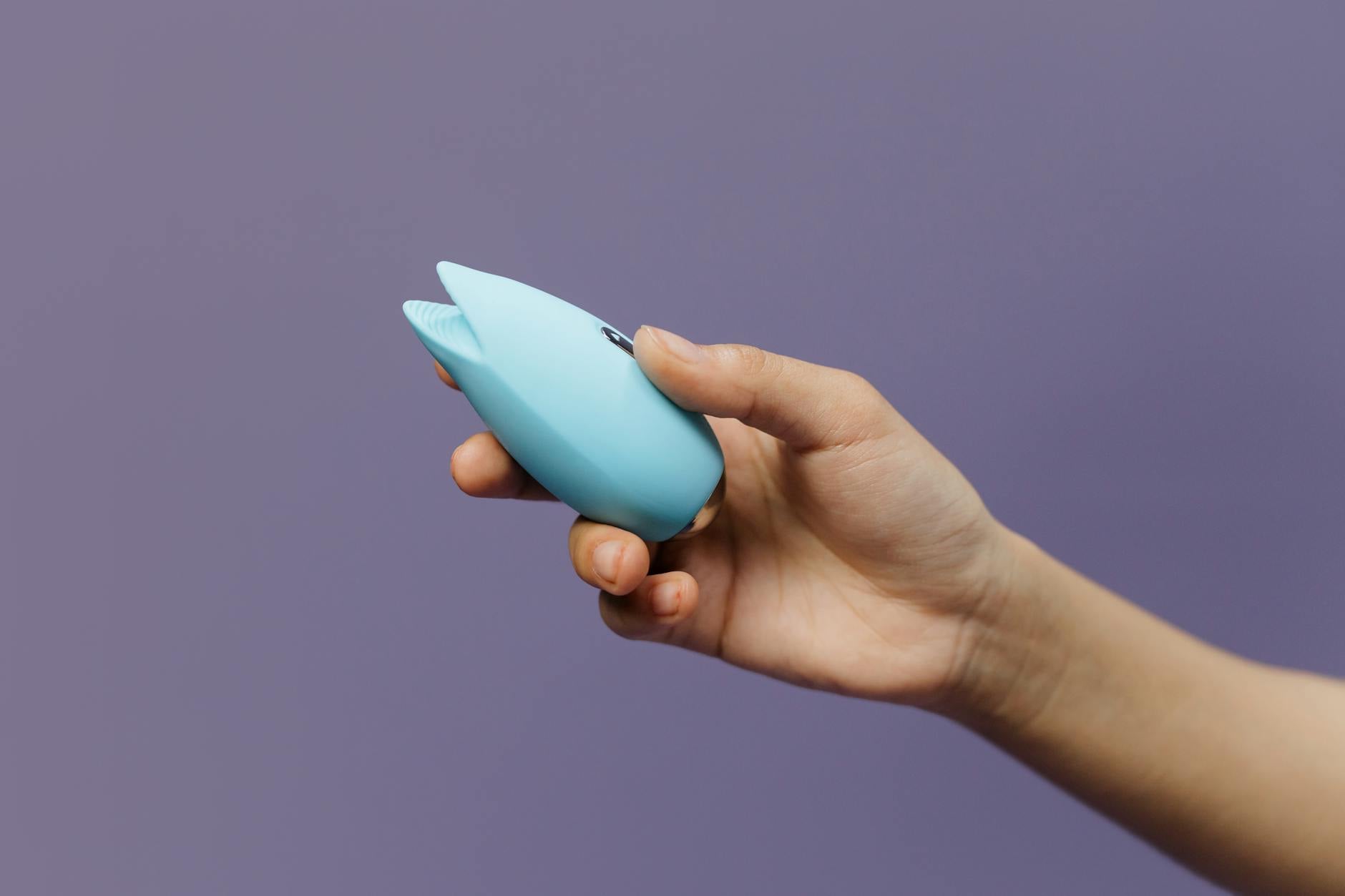
Air-suction clitoral vibrators like the Lem work differently from traditional vibrators. Instead of relying on friction or broad vibration, they use gentle suction combined with pulsing patterns. This stimulates the thousands of nerve endings in the clitoris without requiring the high baseline sensation that antihistamines have suppressed.
Think of it this way. If antihistamines have turned your sensation down from a 10 to a 4, a traditional vibrator might still struggle to register at that lower threshold. A suction-based device like the Lem creates enough localized stimulation that it bypasses that dampening effect. You're not trying to make a muted signal louder. You're creating a new, focused signal that your nervous system can pick up even when medication has turned down the volume everywhere else.
Many people on antihistamines find that suction toys feel more intuitive, more buildable, and more orgasm-friendly than other styles.
The practical setup that works
Let's get into the actual approach. If you're taking antihistamines regularly and want to use a clitoral vibrator like a Lem, these tweaks make a real difference.
Start with extended warm-up. Your arousal response is already slower because of medication. Give yourself 20-30 minutes of non-genital touch, kissing, or mental focus before you even reach for a toy. This helps redirect whatever histamine signalling you do have available toward sexual activation rather than spreading it thin.
Use lubricant generously. Antihistamines reduce natural lubrication. Water-based lube isn't a supplement here. It's essential infrastructure. Apply it liberally and reapply halfway through.
Start with lower suction settings. The Lem's gentler patterns (typically 1-3) are your entry point. Resist the urge to jump to intensity. The device is designed to build gradually, and antihistamine-affected sensation actually responds better to a slow ramp than a shock.
Build in pelvic floor awareness. When sensation is dampened, people often unconsciously tense their pelvic floor trying to "feel more." This backfires. Spend a few minutes just relaxing those muscles. Kegels can wait. Right now, release is better.
One more thing: the timing matters. Some people find that sensation is slightly better in the morning, before the day's antihistamine dose has peaked. If you have that flexibility, experiment with it.
The medication conversation you might need to have
Not all antihistamines are equally drying. If sensation loss is significantly affecting your quality of life, it's worth asking your doctor whether you could switch formulations. Maybe you're on a first-generation antihistamine and a second-generation option would work just as well for allergies but with fewer sexual side effects.
Or maybe your allergy pattern is seasonal, and you could take antihistamines only during peak season rather than year-round. Small shifts in timing and type can sometimes make a meaningful difference without abandoning allergy management.
Your pleasure matters. It's a legitimate thing to discuss with your doctor, even if it feels awkward. Bring it up matter-of-factly: "I've noticed my sexual response has changed since starting this medication. Are there alternatives I could try that might have less impact on arousal?" They've heard it before.

Photo by Olga Lioncat on Pexels
What happens when you layer a vibrator plus lifestyle shifts
A lemon clitoral vibrator alone won't solve antihistamine-related dampening. But it becomes genuinely useful when paired with other small moves. Extended arousal time. Proper lubrication. Lower initial intensity. Pelvic floor relaxation. A partner who understands the medication is the culprit, not a change in desire.
When people bring all those elements together, they often report that sensation comes back online faster than they expected. The vibrator becomes the tool that helps redirect what arousal you do generate into something reliably pleasurable.
FAQ: Antihistamines, sensation, and clitoral vibrators
Do all antihistamines affect sexual sensation equally?
No. First-generation antihistamines like diphenhydramine and chlorpheniramine tend to have stronger sedating and drying effects. Second-generation options like cetirizine, loratadine, and fexofenadine are gentler on overall sensation but still affect histamine signalling to some degree. If you've noticed a significant drop in arousal or lubrication, ask your doctor whether switching formulations might help.
How long after starting antihistamines might I notice changes in sensation?
It varies widely. Some people notice within a few days. Others don't recognize the shift until they've been on medication for weeks. The effect tends to be cumulative and can plateau or shift depending on your body and dosing pattern. If you're starting a new allergy medication and your sensation changes, it's worth tracking the timeline to confirm the link.
Can I use a regular vibrator instead of a suction device like the Lem?
You can, but many people find suction devices more effective when sensation is dampened by medication. Suction creates a different kind of stimulation that doesn't rely on feeling vibration through tissue that's already less responsive. That said, everyone's body is different. Some people get great results with traditional vibrators plus extended arousal time and lube. It's worth experimenting.
Will using a clitoral vibrator while on antihistamines damage my sensitivity long-term?
No. Using a vibrator doesn't change your underlying sensation or create dependency. It's a tool that delivers stimulation your nervous system can register even when medication has temporarily dampened baseline sensation. Once you stop the antihistamine or switch formulations, your sensation typically returns to baseline.
Should I tell my partner about the antihistamine-arousal connection?
Yes, if you have a partner. Antihistamine effects on sensation are physiological, not emotional. Your partner might interpret slower arousal or difficulty reaching orgasm as lack of interest or attraction. A simple explanation ("My allergy medication is making it harder for my body to respond") reframes the issue as a logistical thing to work around together rather than a relationship problem. That shift in understanding often helps both of you stay connected through the medication adjustment.
What if I need antihistamines year-round and can't switch medications?
Then the goal shifts to working skillfully within that constraint. Extended warm-up time, high-quality lubricant, pelvic floor awareness, and a device like a clitoral vibrator that creates focused stimulation become part of your pleasure toolkit. Many people on long-term antihistamines build a practice that works beautifully once they accept that sensation is different on medication and design their approach accordingly. You're not fighting your body. You're meeting it where it actually is.
Can I combine antihistamines with other medications and still use a vibrator safely?
Generally, yes. Vibrators are mechanical devices and don't interact with medications. That said, if you're taking multiple medications that affect arousal or sensation (certain antidepressants, blood pressure medications, or other antihistamines), the combined effect might be stronger. The strategies remain the same: extended arousal, generous lubrication, lower initial intensity, and pelvic floor relaxation. If you're concerned about a specific medication combination, check with your pharmacist or doctor.
The thing nobody tells you about staying connected during allergy season
Antihistamines are genuinely necessary for many people. Untreated allergies are miserable. But the medication side effect of dampened sensation gets treated like something you just have to accept and live with. You don't.
Understanding why sensation changes, choosing tools like a lemon vibrator that work with your current physiology, and making small adjustments to your approach can keep pleasure alive even through allergy season or long-term medication use. Your pleasure doesn't have to pause while you manage your allergies. It just needs a slightly different strategy.
If you'd like to talk through what might work for your specific situation, reach out. That's what I'm here for.