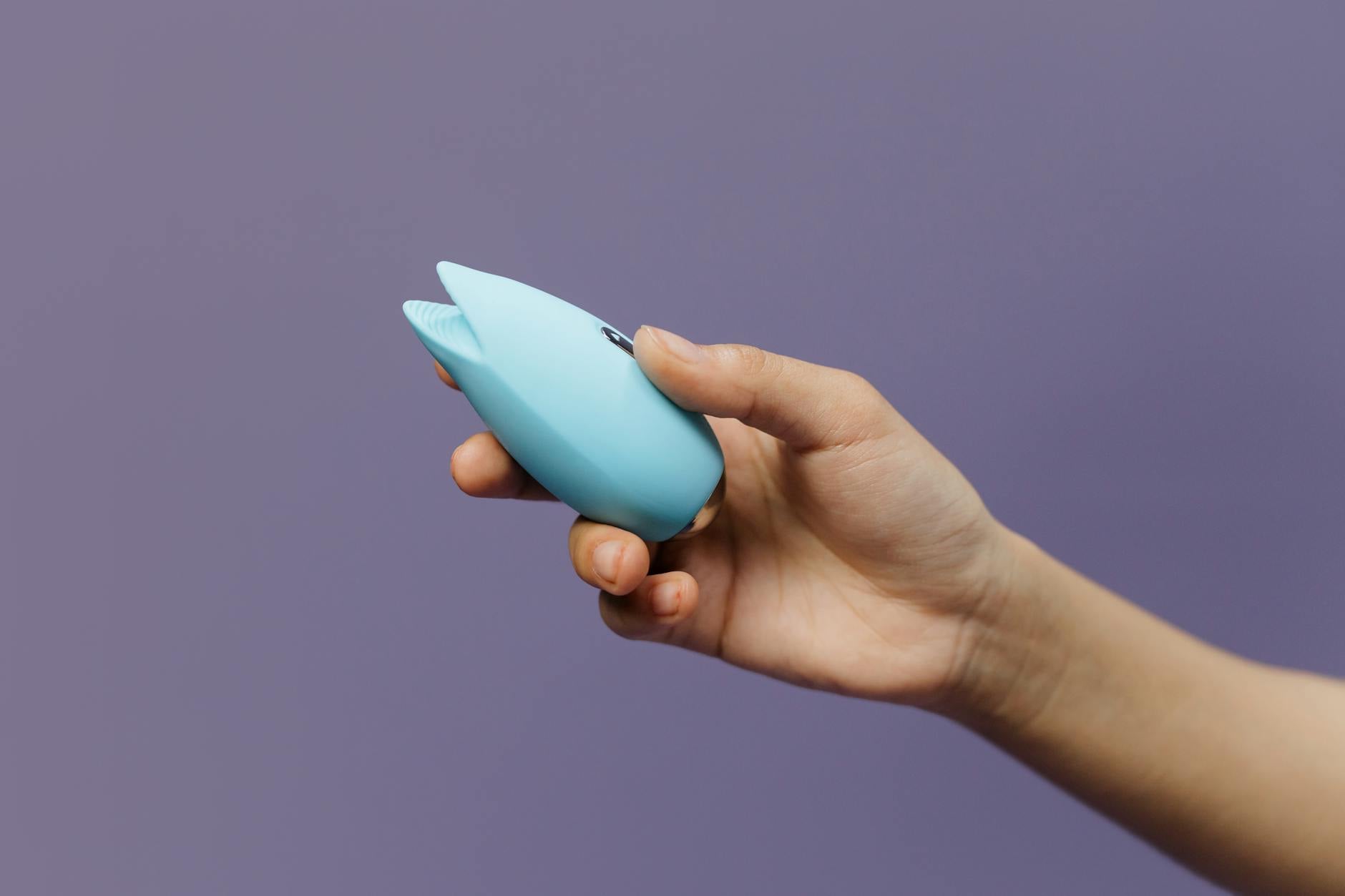
Let's talk about what numbing creams actually do to your pleasure
If you've used a topical numbing cream or anesthetic to manage pain during sex, I'm guessing the relief felt good for about five minutes. Then you realized nothing felt like anything. Pleasure went quiet. Sensation flattened. And now you're stuck wondering whether you've just... broken yourself.
You haven't. But the numbing medication has created a real problem: it's doing exactly what it was designed to do, which is override your nervous system. That's useful for pain. It's terrible for pleasure. And the longer you use it, the harder your body has to work to feel anything at all.
Here's what happens physiologically, and why a lemon vibrator changes the equation.
How numbing creams interfere with arousal
Topical anesthetics like lidocaine work by blocking nerve signals in the tissue where you apply them. That's fantastic if you're managing pain from vulvodynia, vestibulodynia, or post-surgical sensitivity. The problem is that pleasure and pain run on the same neural highways. When you numb the pain pathway, you're also dampening the pleasure pathway.
Over time, your brain adapts. It turns up the volume on sensation-seeking. You find yourself needing stronger stimulation to feel anything. A regular vibrator's buzz starts to feel like white noise. Your arousal takes longer to build. And because arousal is partly psychological, feeling numb can also kill your mental desire.
This creates a feedback loop: the more you rely on the numbing cream, the less you can feel without it. The less you feel, the more you think something's wrong with you. It's not.
Why lemon vibrators work differently for sensation recovery
Unlike traditional vibrators, which deliver steady, linear vibration, lemon suction vibrators use a completely different mechanism. They create rhythmic suction and release patterns that stimulate nerve clusters in a way that bypasses some of the numbing effect. Here's why that matters.
Suction stimulation engages mechanoreceptors (nerve endings that respond to pressure and movement) rather than relying solely on vibration frequency. When your vibration-sensing nerves are dulled, suction can still create meaningful sensation. It's not about raw intensity. It's about a different type of stimulation reaching your nervous system in a way numbing creams haven't fully suppressed.
The lemon clitoral vibrator's air-pulse technology is especially helpful because it creates a build-and-release pattern that mimics the body's natural arousal rhythm. This can help retrain your nervous system to recognize pleasure signals again.
Step-by-step: using a lemon vibrator to restore sensation
Phase one: Preparation (do this before you use the lemon vibrator).
First, talk to your doctor or sexual health specialist about whether you can gradually reduce or pause the numbing medication. You don't have to quit cold turkey, but sensation recovery works best when you're not actively suppressing nerve signals. If you need to stay on the medication for pain management, that's okay. The work will just take longer.
Second, set a realistic timeline. You didn't lose sensation overnight. Recovering it takes patience. Most people notice meaningful changes within two to four weeks of consistent, intentional exploration. Some take longer. That's normal.
Phase two: Reintroduction without pressure.
When you first use a lemon vibrator after numbing medications, don't turn it on. Just hold it against your skin. Feel the weight, the temperature, the texture. Let your nervous system remember what external touch feels like without the numbing layer blocking it.
Start with the lemon vibrator on the lowest setting (pattern 1 or 2). Spend five to ten minutes exploring different areas: the outer labia, the inner thighs, the perineum. Not searching for pleasure yet. Just mapping sensation.
You might notice at first that you feel almost nothing. That's the numbing medication still in your system. Stay with it anyway.
Phase three: Building tolerance and awareness.
Over the next week, gradually increase the time you spend with the lemon vibrator on low settings. Notice what you do feel, even if it's subtle. A slight warming. A gentle throb. A sense of pressure. These are sensation breadcrumbs.
Don't push yourself to feel aroused. Arousal will follow once your nervous system realizes it's safe to feel again. Right now, the goal is simply retraining your body to receive stimulation without numbing it away.
Phase four: Gradual intensity increase.
Once you're comfortable with patterns 1 and 2, spend a few days at pattern 3. Then pattern 4. This isn't about chasing the biggest feeling. It's about slowly waking up your nervous system's capacity to process stimulation.
If at any point you feel pain, stop immediately. Sensation recovery shouldn't hurt. If you're experiencing sharp pain, check in with your specialist before continuing.
The psychological piece (this matters as much as the physical)
Sensation loss from numbing medications carries psychological weight. You might feel disconnected from your body. You might worry you'll never feel "normal" again. You might feel resentful about the medication that was supposed to help but seems to have harmed your pleasure.
These feelings are real and valid. They're also separate from the physical work of sensation recovery. Here's what helps: separating the two conversations.
The physical conversation is simple: I'm using a lemon vibrator at low intensities to reawaken nerve sensitivity. That's a body project.
The psychological conversation is different: I'm grieving the pleasure I've lost, and rebuilding trust in my body's capacity to feel. That's an emotional project.
If you're in a relationship, having both conversations with your partner matters. You might need to rebuild sexual connection slowly, focusing first on sensation play (touch without goal) rather than intercourse. That resets the nervous system's expectations and reduces performance pressure.
If you're exploring solo, consider journaling about your relationship with pleasure before the numbing medication and what you want to rebuild. Small, intentional acts of self-pleasure with your lemon vibrator become part of retraining your nervous system and your mind at the same time.
Common setbacks and how to navigate them
You try using the lemon vibrator and feel nothing. This doesn't mean it's not working. Numbing medications can take weeks to fully clear your system, especially if you've been using them regularly. Patience is the intervention here.
You feel sensation returning, but it's different from before. That's actually healthy. Your nervous system is recalibrating. The pleasure you had before numbing cream might have been shaped by numbness anxiety. The pleasure emerging now might be cleaner, more direct. Give it space.
You feel worse before you feel better. As the numbing cream wears off, some people experience temporary hypersensitivity. Your tissue might feel rawer. Arousal might feel strange. This is your nervous system waking up. Lower the intensity, reduce the frequency of use, and give your tissue rest days. This phase usually passes within a week or two.
When to check in with a specialist
If you're seeing no change in sensation after four weeks of consistent lemon vibrator use, or if sensation recovery causes pain, consult your sexual health doctor or gynecologist. You might need to adjust your numbing medication timing, dosage, or approach. You might benefit from pelvic floor physical therapy to address tension that's interfering with sensation. You might need additional support to process the emotional weight of sensation loss.
There's also a real possibility that your original pain condition needs different management. A specialist trained in sexual health can help you find alternatives to topical anesthetics that give you pain relief without flattening pleasure.
Rebuilding pleasure is a project worth your time
Your nervous system is incredibly plastic. It adapted to the numbing medication. It can readapt to feeling again. Using a lemon vibrator as part of that process isn't about forcing sensation. It's about giving your body a new kind of stimulation your nervous system recognizes as safe and pleasurable. The rest follows.