Let's start with the honest part
Antidepressants work. They quiet the noise in your head, steady your mood, and give you back your life. That's the win. The cost is what nobody prepares you for: sexual desire can vanish. Not in a metaphorical way. Your body stops responding the way it used to. Orgasms take three times as long. Sometimes they don't happen at all. And honestly, you might not care, which is its own kind of problem if you thought you would.
Here's the thing nobody tells you clearly enough. That flatness is real. It's not depression lingering. It's your medication doing exactly what it's supposed to do: modulating serotonin. Serotonin and sexual response are in different hemispheres of your brain, but antidepressants don't read a map. They flood the whole system.
The good news is this. Pleasure isn't gone. It's muted. And muted can be unmuted.
How antidepressants change sexual response
Most SSRIs (selective serotonin reuptake inhibitors) work by keeping serotonin circulating longer in your brain. That steadies mood. But serotonin also influences dopamine and norepinephrine, the chemicals that fuel desire and orgasm. When you're on a standard dose of sertraline or fluoxetine, your body takes longer to build arousal. Your threshold for sensation climbs. Your clitoris doesn't respond as quickly to touch.
This is neurochemistry, not psychology. You're not broken. You're not losing interest because your relationship is failing or because you're aging. Your nervous system is being chemically redirected.
The dose matters. Higher doses flatten response more. Some medications do this worse than others. Sertraline and paroxetine are notorious for it. Bupropion, which works on dopamine instead, rarely causes this effect at all.
Here's what actually changes and what doesn't. Your neural pathways for pleasure are still intact. The clitoral tissue itself works fine. Your brain's capacity for arousal hasn't died. What's changed is the speed and intensity of the signal getting through.
Why clitoral vibrators work differently when you're medicated
Traditional vibrators work by moving back and forth really fast. You feel rhythm. Your clitoris recognizes the pattern and responds. When you're on antidepressants, that pattern takes longer to register. You need either more time to build arousal or a different kind of stimulus.
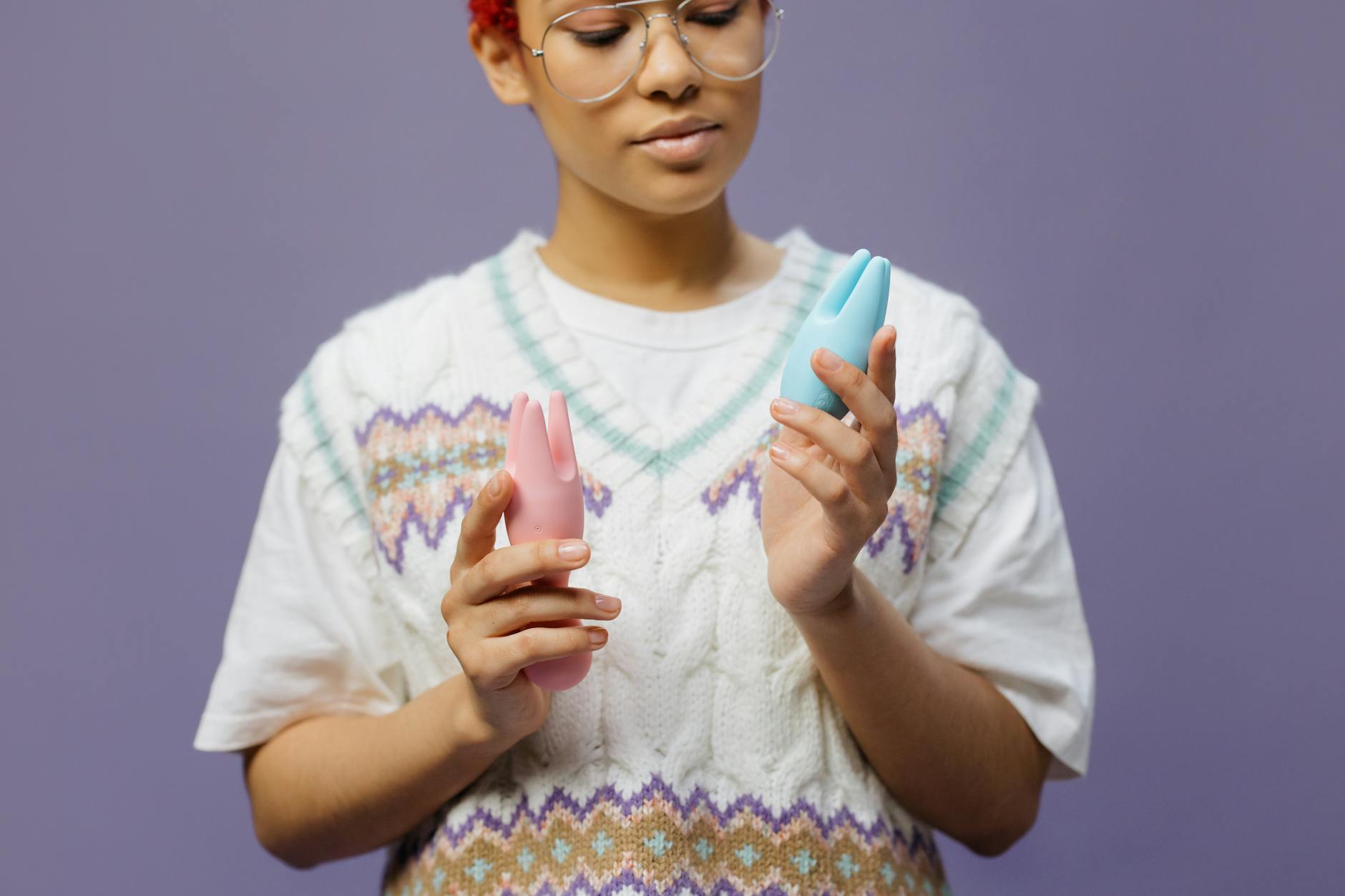
This is where suction vibrators, like the lemon clitoral vibrator from Hello Nancy, change the game. Instead of vibration, suction creates sustained pressure and release. The stimulus is gentler but way more direct. It doesn't rely on rapid-fire nerve firing. It engages the clitoris in a way that works with, not against, medicated neurochemistry.
I've worked with dozens of clients on SSRIs who ditched their old vibrators and switched to a lemon vibrator. The difference is immediate. Not because it's magic. Because the sensation it creates matches the kind of stimulation that actually registers when your brain chemistry has been shifted.
The physical steps that actually work
Here's what I recommend to almost every client recovering pleasure after starting antidepressants.
First, extend your warm-up time. Budget 20 to 30 minutes instead of 10. This isn't about being patient. It's about giving your nervous system time to catch up. Arousal is slower. That's not a flaw. Just work with it.
Second, start with external stimulation only. No penetration, no internal pressure. Just clitoral focus. Your clitoris is your fastest road back to sensation. Give it your full attention.
Third, use lubricant even if you don't think you need it. Medicated bodies often produce less natural lubrication. Water-based works best with silicone toys. The slickness helps sensations register more clearly.
Fourth, invest in a lemon vibrator or other clitoral suction device. The sustained pressure is more compatible with medicated arousal patterns than rapid vibration. Start on the lowest setting and stay there until you want more. Most people on SSRIs never need to go above level 2 or 3.
Fifth, use it regularly, not just when you think you should want sex. Three times a week is better than once every two weeks. Your nervous system responds to consistency. The more you use it, the faster your body remembers how to wake up.
The mental part that matters more than technique
Here's what I see go wrong. Someone starts antidepressants. Their desire drops. They wait for it to come back on its own. It doesn't. So they feel broken. Then they feel guilty about not wanting sex. Then the guilt makes them avoid the whole subject. And now they've got a mental block on top of the neurochemical one.
You need to separate those two problems. The medication flattened your desire. That's real. But the shame you're carrying? That's optional. Genuinely optional.
If you have a partner, they need to know what's happening. Not in a "I'm sorry I'm broken" way, but in a "My medication has changed my timeline. I still want to be intimate. This is just how we do it now" way. The guide on using lemon vibrators with your partner has language for exactly this conversation.
If you don't have a partner, give yourself permission to explore alone without a goal. You're not trying to have an orgasm. You're trying to wake your body up. You're retraining your nervous system. That takes time. That's fine.
When to talk to your doctor
Some people's desires come back when their body adjusts. That takes about three months. Some people need a medication change. Some stay on the same drug but add something else, like bupropion, to offset the sexual side effects. Some people don't get their desire back, and they decide that's a fair trade for feeling stable.
All of those are legitimate outcomes. But you need to actually have the conversation with your GP or psychiatrist instead of just white-knuckling it alone.
If your desire is completely gone after three months, bring it up. If you're having physical pain instead of just flatness, bring it up. If you think a different medication class might work better for you, bring that up too. Your sexual health is part of your overall health. It deserves clinical attention, not just hope and a clitoral vibrator.
Though honestly, a good lemon vibrator from Hello Nancy doesn't hurt.
The sensations that come back first
When you start rewaking your body, orgasms usually aren't the first thing that returns. Arousal is. You'll notice your heart rate climbing during a warm-up session. You'll feel the clitoris swell a little. You'll have a moment where sensation suddenly feels clearer, like a radio station coming into focus.
That's enough. That's success. That's your nervous system saying it remembers.
Orgasms come next, but they might feel different. Smaller, more localized, less intense. Some clients say they feel more concentrated and actually better this way. Some want the full-body thing back. Either way, consistency and patience usually get you there.
What matters is rebuilding the connection between your brain, your body, and pleasure. That's not quick. But it's doable. And you deserve to get there without shame.
Frequently asked questions
How long does it take to regain sexual pleasure after starting antidepressants?
There's no fixed timeline. Some people notice sensitivity returning within six to eight weeks of consistent practice with stimulation. Others take three to four months. Your starting dose, the specific medication you're on, your baseline stress level, and how consistently you engage with pleasure all matter. The most important factor is regularity, not intensity. Three low-pressure sessions a week works better than one intense attempt.
Can switching to a lemon clitoral vibrator actually help if I'm numb from antidepressants?
Yes, specifically because of how suction works. Rather than relying on rapid vibration to trigger response, suction creates sustained pressure that engages a larger area of clitoral tissue. Many clients find this more compatible with medicated arousal patterns. But it's not a magic fix on its own. It works best alongside extended warm-up time, consistency, and patience with your body's slower rhythm.
Should I stop my antidepressants to get my sexual desire back?
No. Stopping antidepressants without medical supervision can be dangerous and often brings back depression, which is worse for sexual desire than the medication ever was. If you think your current medication is too costly in sexual terms, talk to your doctor about timing, dose adjustment, or switching to a different class of antidepressant. Bupropion and some other options are gentler on sexual response. Your psychiatrist can help you find a balance.
Is it normal to feel guilty about needing help rebuilding pleasure after antidepressants?
It's common, but no, it's not something you need to carry. You're not broken or weak. Your medication is doing its job. Your body is adapting. Rebuilding pleasure is part of mental health maintenance, just like staying on your medication is. Using a clitoral vibrator or any other tool to reconnect with sensation is self-care, not a failure of desire.
Can I use a lemon vibrator alongside my antidepressant medication?
Absolutely. There are no contraindications. In fact, regular stimulation can help your nervous system relearn responsiveness while you're on the medication. Just be patient with the timeline and consistent with practice. If you're worried about specific interactions or you have other health conditions, check with your GP, but for most people on SSRIs, using a clitoral vibrator is straightforward and helpful.
What if I rebuild some sensitivity but orgasms still feel impossible?
That's actually common and often manageable. Orgasm sometimes requires a different kind of focus or a longer buildup on antidepressants. Some people find that partnered sex or a partner using the vibrator creates a different psychological context that helps. Others find that solo use with deep breathing and focusing on sensation (rather than the goal of orgasm) works better. If nothing shifts after consistent practice over three months, bring it back to your doctor.
The reality
Antidepressants are a gift. They quiet intrusive thoughts. They make mornings possible. They're worth the side effects for most people, even the sexual ones. But that doesn't mean you should just accept numbness as the permanent cost. Your body can wake back up. It takes patience and consistency, but it's possible.
Start with an honest conversation with your doctor. Try a lemon vibrator or another clitoral suction device. Give your body time. And remember that rebuilding pleasure isn't frivolous. It's part of reclaiming your life alongside the medication that saved it.