Let's be honest about what infidelity does to your body
Betrayal doesn't just hurt your heart. It hijacks your nervous system. Your body stops trusting touch. Even when you want to reconnect with your partner, your skin might flinch. Your arousal might disappear entirely. Sex becomes this loaded, high-stakes conversation instead of something that feels good.
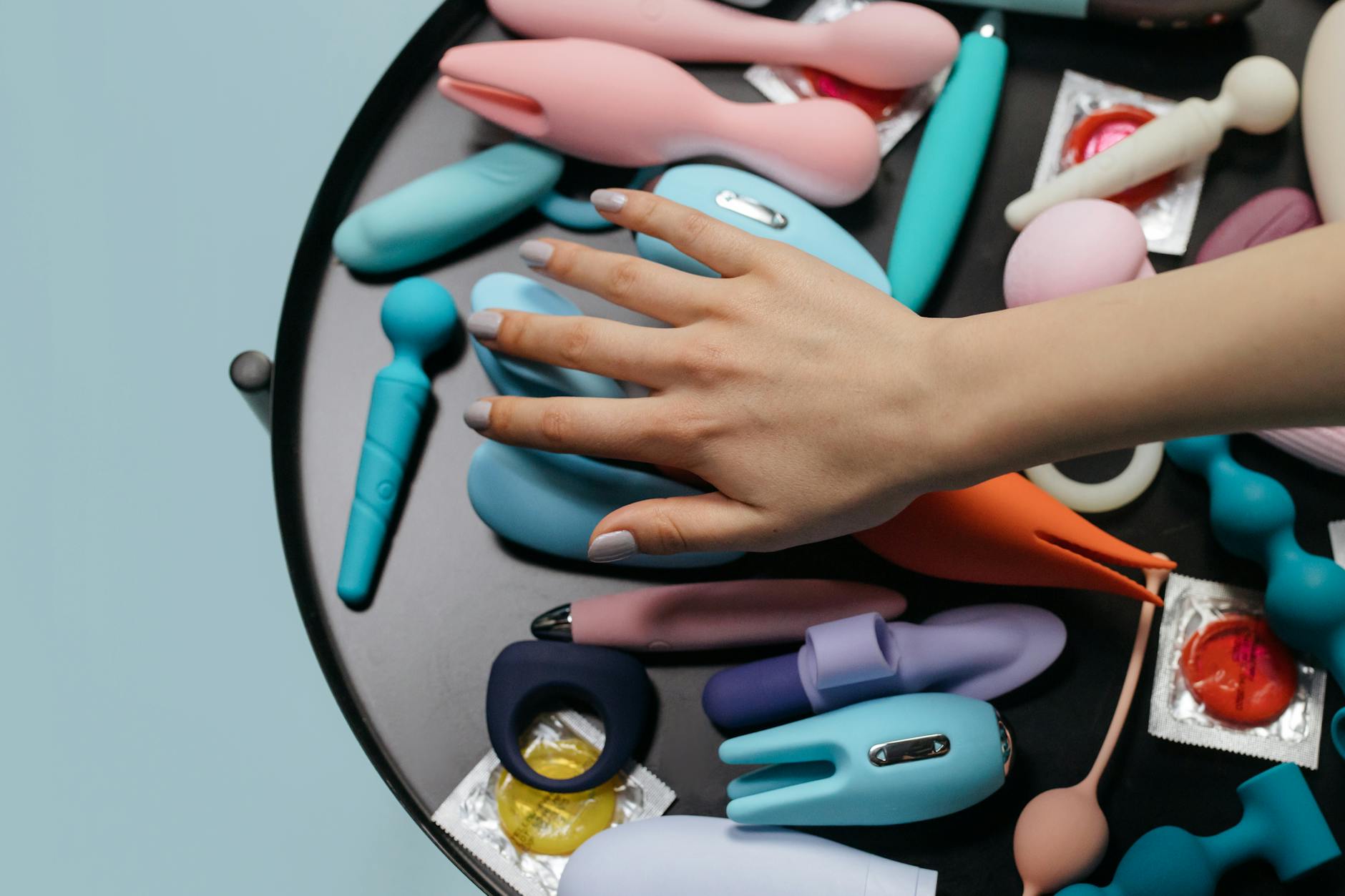
Most couples therapists will tell you to talk through the betrayal, rebuild communication, and take time. All true. But here's what doesn't get discussed enough: your body needs permission to feel pleasure again, separate from the relationship repair work. And that's where clitoral vibrators like those from Lem Vibrator come in.
They're not a magic fix. But they're a bridge.
Why pleasure feels so far away right now
When infidelity happens, your brain categorizes your partner as unsafe. That's actually a survival mechanism. Your nervous system is doing exactly what it should. Wanting to have sex with them would undermine that protective response. So desire simply shuts down. Arousal becomes impossible not because you're broken, but because you're smart.
The second layer is control. Infidelity often involves a partner making choices about their body without your knowledge or consent. Getting back to sex means slowly, deliberately reclaiming agency over your own pleasure. Using a vibrator is part of that. You're the one controlling the intensity, the timing, the rhythm. Your partner is invited into that experience, but they're not driving it.
Third, there's the physical anxiety. Will touch feel familiar or threatening? Will pleasure feel like betrayal? These aren't irrational fears. They're your body's very reasonable questions.
The neuroscience of rebuilding through sensation
Here's what's actually happening when you start using vibrators together again: you're creating new neural pathways. Your brain hasn't forgotten the betrayal, but you're literally building fresh associations between your partner's presence and safety, pleasure, and control.
This works best when you start slow and focus on external stimulation. A lemon clitoral vibrator like the Lem gives you pinpoint control without penetration, which often feels too vulnerable too early. The suction-based pattern (if you're using an air-pulse vibrator) also bypasses some of the tension that direct vibration can trigger in already-guarded tissue.
You're also working against what neuroscientists call "betrayal trauma." This isn't like other trauma. It's relational. It means your brain now has to reconcile "I love this person" with "this person hurt me." Pleasure, when it returns, helps reintegrate those two realities. It says, "I can feel safe and feel good while this person is here." That's powerful rewiring.
A practical framework for starting again
If you're going to introduce vibrators into reconnection after infidelity, here's what tends to work:
Week 1-2: Separate exploration. You use your vibrator alone. Your partner doesn't need to be in the room. This is about reclaiming your own nervous system first. You're learning that pleasure is still available to you. That your body still works. That you still deserve it.
Week 3-4: Presence without participation. Your partner is in the room, but not touching you. They're witnessing your pleasure, which rebuilds a sense of shared experience without the vulnerability of penetration or direct touch yet. Some couples talk; some stay quiet. Whatever feels right.
Week 5+: Collaborative. Your partner might help apply lubricant. They might use their own vibrator alongside you. The key is that your pleasure comes first and stays the focus. When they're present and your pleasure is non-negotiable, you're sending a message to your nervous system: "Even though this person betrayed me, I'm safe enough to feel good here."
That shift doesn't erase the betrayal. But it does put intimacy back on your terms.
The conversation you need to have first
Introducing vibrators after infidelity isn't like introducing them in a normal relationship. You're not spricing things up. You're literally rebuilding. So the conversation needs to be different.
Instead of "I want to try toys," try "I need to rebuild what we have around pleasure, and I need to do it in a way where I'm in control." That's honest. That names what's actually happening.
Your partner should understand that this isn't about whether they're "enough." It's about the fact that their presence right now is complicated, and pleasure is your way of slowly untangling that complication. Some partners find this threatening. That's worth addressing with a therapist before you bring a vibrator into the bedroom.
If your partner can hold that space without making it about their ego, you've got a real shot at rebuilding.
What lemon vibrators specifically offer in this context
Clitoral vibrators from Lem Vibrator work well here because they're straightforward. No penetration complexity. No conflicting sensations. Just you and your pleasure, magnified.
The air-pulse technology (if you're using a suction-based design) feels gentler than traditional vibration for people whose nervous systems are in high alert. It's also quieter, which can matter psychologically. There's less "performance" around it and more genuine sensation.
Start on the lowest setting. Your body may not have access to arousal quickly. Building up intensity too fast can feel like pressure instead of pleasure. Low and slow lets your nervous system gradually shift from threat-detection to sensation-awareness.
When to call in professional support
If after four to six weeks of deliberate, patient reconnection, arousal still isn't returning at all, talk to your GP or a sex therapist. Sometimes medication-related factors (anxiety meds, hormone shifts from stress) are dampening arousal. Sometimes the betrayal is bigger than you can rebuild alone.
Likewise, if your partner shows impatience or makes your pleasure about them, that's a sign the relationship work isn't actually happening underneath. Vibrators can't fix that. Therapy can.
The realistic timeline
Recovering physical intimacy after infidelity usually takes six months to two years. Some couples recover faster; some find that touch never quite feels the same. Both are okay.
Using vibrators as part of that process isn't rushing. It's actively choosing pleasure, which is an act of self-preservation. Every time your body feels good with your partner present, you're building evidence that safety is possible again. That's not naive. That's strategic.
You don't have to forgive quickly. You don't have to have sex to prove anything. But you do deserve to feel good again. Claiming that, step by step, is how you actually move forward.
People also ask
Is it normal that I don't want my partner near me while I'm using a vibrator after infidelity?
Completely. Starting solo is actually the smartest approach. You need to remember that pleasure is yours first, relationship-dependent second. Solo exploration gives your nervous system time to recalibrate without the added layer of managing your partner's presence or emotions. When your body feels safer with pleasure, introducing your partner becomes less fraught.
How long should I wait before introducing vibrators into partner sex after an affair?
There's no fixed timeline, but most sex therapists recommend waiting until you've had at least a few successful conversations about the betrayal, ideally with professional support. Jumping straight to vibrators can feel like skipping the hard work. But once you're actively engaged in rebuilding (even if it's messy), using vibrators can accelerate reconnection. Start with solo exploration first, then move to shared presence.
Can we use vibrators if my partner doesn't believe in sex toys?
This is a bigger conversation than toys. If your partner is uncomfortable with vibrators specifically because of discomfort with their own sexuality, that's worth exploring. But if they're opposed because they see toys as a threat to their masculinity or the relationship, that's worth flagging with a couples therapist. Part of rebuilding after infidelity is your partner getting comfortable with the fact that your pleasure matters independently of them. If they can't hold that space, the relationship repair work isn't complete yet.
Should I orgasm during vibrator use with my partner, or is it okay to just enjoy the sensation?
Do whatever feels right. Orgasm isn't the goal here; safety is. Some people find that aiming for orgasm adds pressure that keeps them in their head. Others find that orgasm is when trust actually returns to their body. Neither is wrong. You're not performing. You're reclaiming.
What if my partner wants to use a vibrator on me before I'm ready?
You get to set that boundary. Full stop. Rebuilding intimacy after infidelity requires that you call the shots on your own body. If your partner can't respect your "not yet," that's crucial information about whether they're actually doing the work to regain your trust. This might be a moment to loop in a therapist.
Can lemon clitoral vibrators help us reconnect if we're considering separation?
Vibrators can help you feel your body again and make a clearer decision about whether you want to stay. But they're not a relationship-saving tool. If you're genuinely considering separation, reconnection work through therapy needs to happen first. A vibrator can be part of the process, but it can't replace the hard conversation about whether this relationship is actually repairable for both of you.
References and sources
The information in this article draws on clinical research in relationship recovery, neuroscience of betrayal trauma, and evidence-based sex therapy practices. Key frameworks referenced include Gottman Method principles for relationship repair, work on betrayal trauma by Dr. Harriet Lerner, and sex therapy research on nervous system regulation and pleasure reconnection. For personalized guidance, consult a Certified Sex Therapist (CST) or marriage and family therapist trained in infidelity recovery.